Projects
Loading Project...
Please wait while we load the project details

Please wait while we load the project details
Empowering Women Leaders for Inclusive Local Governance and Democratic Participation
Khan Foundation (KF) has extensive experience in promoting and strengthening women’s
participation in local government. KF recognizes that women’s meaningful participation in local
government bodies remains limited when elected women representatives are not adequately
aware of their roles, responsibilities, and institutional mandates. Systematic discrimination,
inadequate logistical support, and a lack of cooperation from male counterparts and other
stakeholders are among the key factors that continue to impede women’s effective participation
and leadership in local governance.
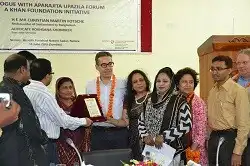
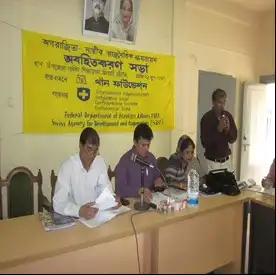
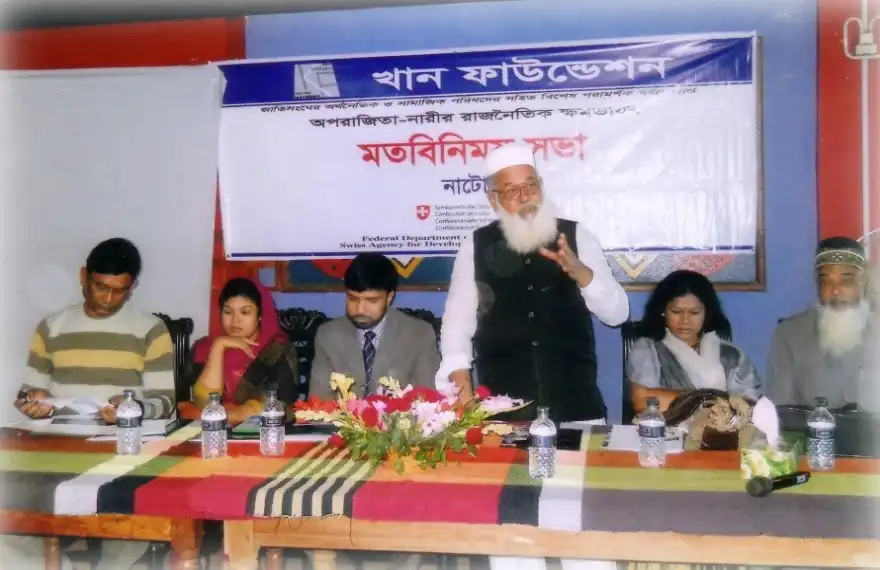
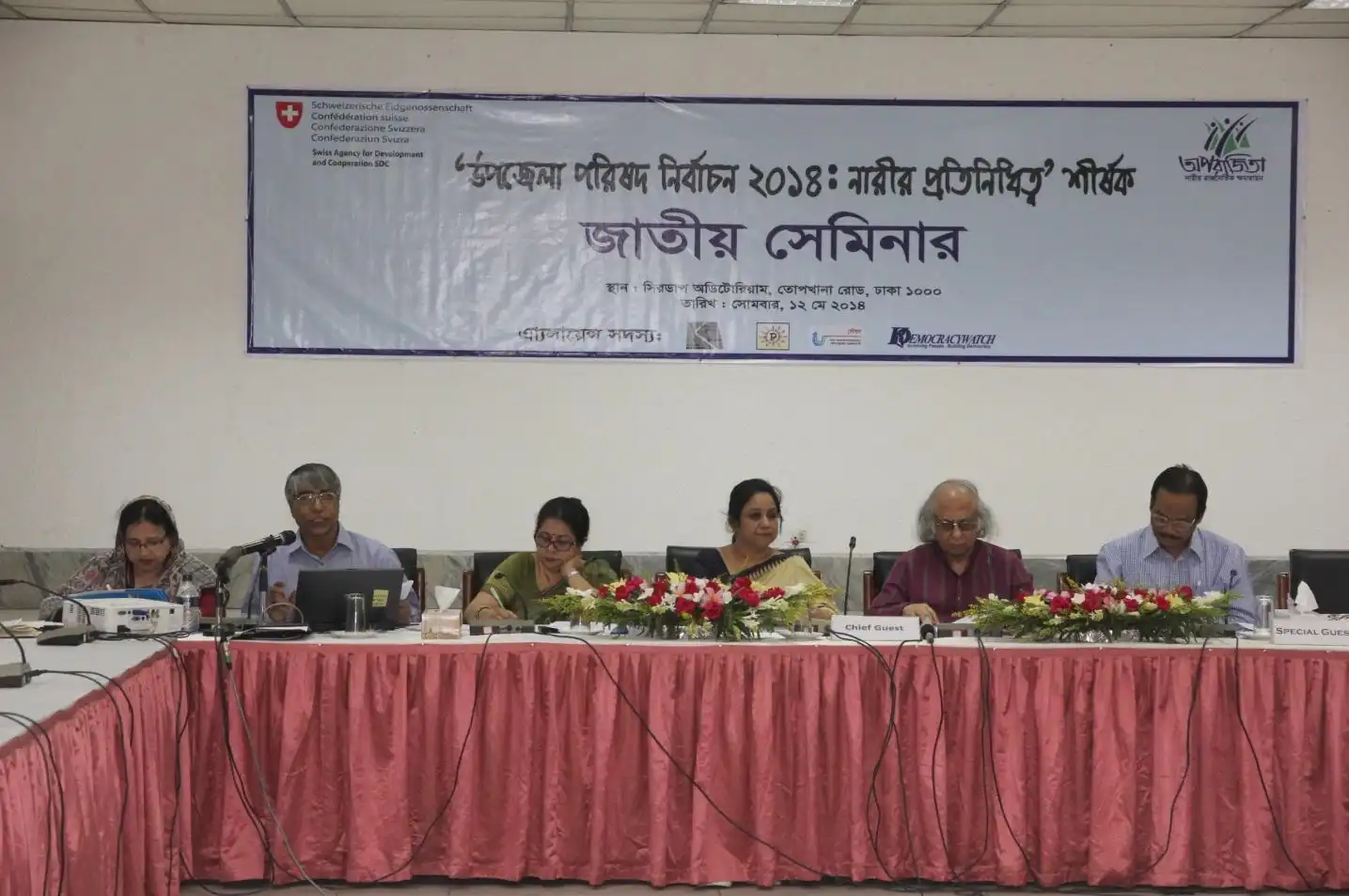
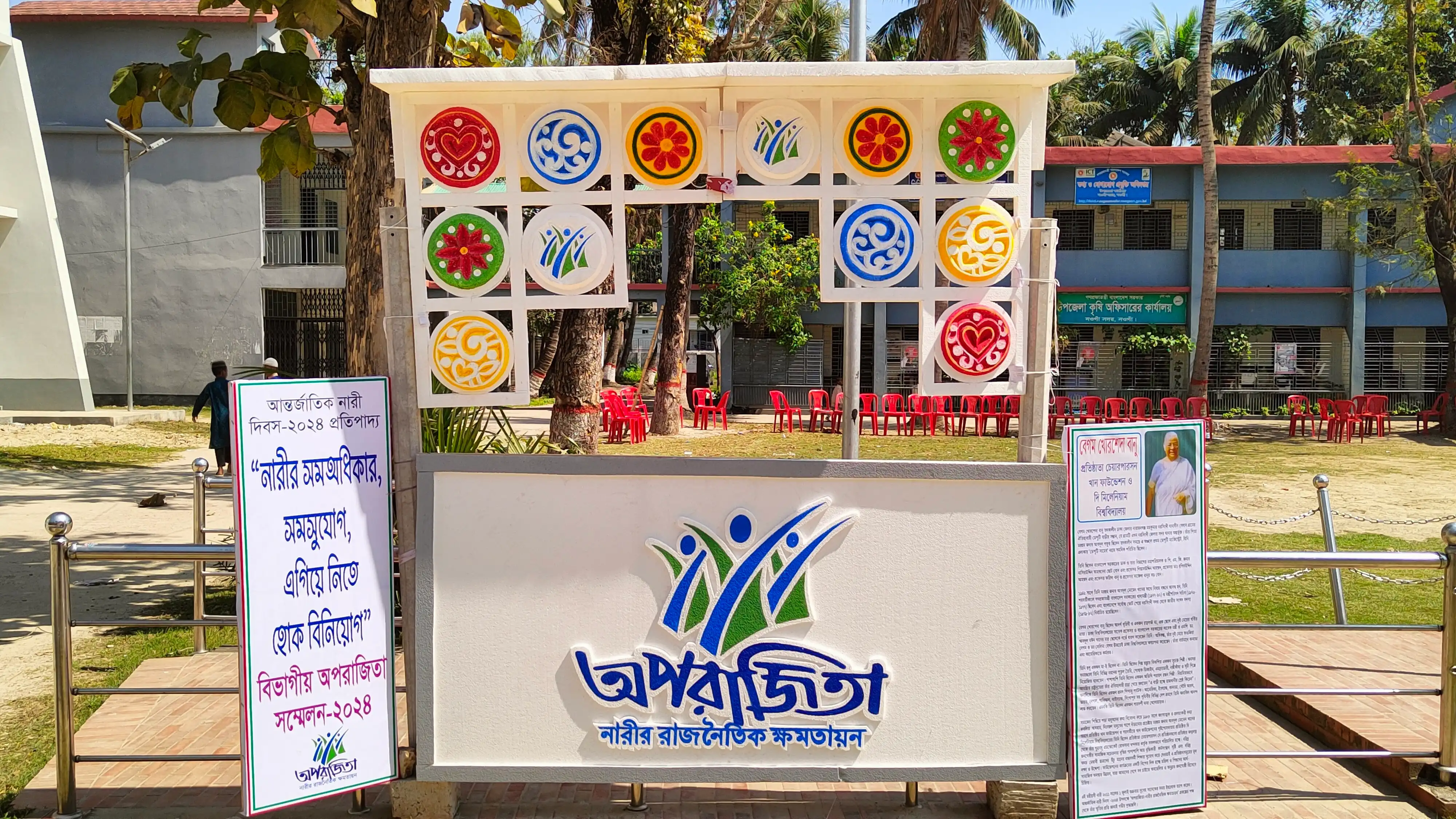
Against this backdrop, KF undertook the project titled “Aparajita: Political Empowerment of
Women”, aimed at strengthening women’s political participation, leadership, and effective
engagement in local government institutions.
APARAJITA is a women’s political empowerment initiative designed to strengthen the capacity,
confidence, leadership, and participation of elected and potential women representatives in
Bangladesh. The project promotes women’s engagement in local governance, strengthens
accountability between representatives and communities, encourages gender-responsive service
delivery, and builds networks for women’s leadership development.
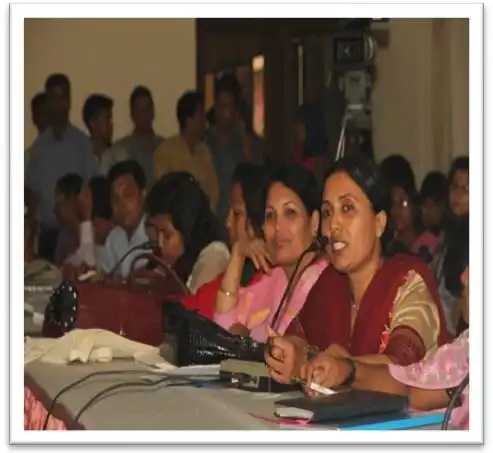
It focuses on developing elected women representatives (EWRs), potential elected women
representatives (PEWRs/PWRs), and community networks so that women can effectively
participate in decision-making processes and influence local governance systems. The project
was implemented in 10 districts of Bangladesh.
It commenced at the end of 2011, with Phase I concluding in November 2015. Phase II was
subsequently implemented from December 2015 to 28 February 2017, building on the
experiences and achievements of the first phase to further advance women’s political
empowerment and meaningful participation in local governance.
Aparajita: Political Empowerment of Women (Phase III) has been designed by building on the
achievements and lessons of its previous phases (Phase I: 2011-2015, and Phase II: 2015-2017),
with more exclusive focus at the Union Parishad level in this phase and being more
geographically focused. There was also another new dimension in the form of an intermediary
management agency, HELVETAS Swiss Intercooperation, which had overall responsibility of
coordination and technical guidance, whereas national NGOs working as implementation
partners (PNGOs) are responsible for field-level implementation in target working areas.
Grouped into six broad ‘clusters’ that correspond to six out of eight administrative divisions of
the country, these working areas comprise of all the unions (540 in total) of 62 target Upazilas
located in 16 districts. Khan Foundation worked in 5 districts, 20 Upazilas, and 174 Unions
across two administrative clusters.
Building capacity of women representatives to influence local governance and decision- making
Build capacity of Elected Women Representatives (EWRs) and Potential Women Representatives (PWRs).
Improve understanding of local government laws, roles, responsibilities, and governance processes.
Strengthen women’s leadership roles in local and national forums.
Promote gender-responsive and accountable service delivery.
Increase women’s participation in political decision-making processes.
Develop networks among women leaders, communities, civil society, and government institutions.
To enhance the confidence, knowledge, leadership capacity, and political participation of elected and potential women representatives so that they can effectively perform their roles, advocate for women’s rights, and contribute to gender- and poverty-responsive local governance.
Women leaders influencing local governance, services, and policy processes
Outcome 1:
Elected and potential women representatives actively participate in local governance processes.
Women representatives become more accountable to their constituencies.
Improved leadership capacity and confidence among women leaders.
Outcome 2:
Increased public awareness and political support for women’s participation.
Advocacy for gender-sensitive policies and legal frameworks.
Improved engagement with political parties and local institutions.
Outcome 3:
Improved access to information, technical support, and advisory services for womenm representatives.
Development of sustainable knowledge-sharing mechanisms.
The project contributed to increased capacity, confidence, representation, networking, and leadership of women representatives while improving gender-responsive governance practices.
Developing leadership capacity and promoting gender-responsive governance
Leadership and governance training.
Mentoring and coaching support.
Women’s networking platforms.
Community engagement and awareness campaigns.
Support for participation in committees and decision-making forums.
Advocacy for gender-sensitive local government policies.
Knowledge management and information-sharing systems.
Collaboration with local government institutions, civil society, and political stakeholders.
The intervention strategy combined capacity building, advocacy, networking, information support, and institutional strengthening.
Creating an enabling environment for women’s leadership and participation
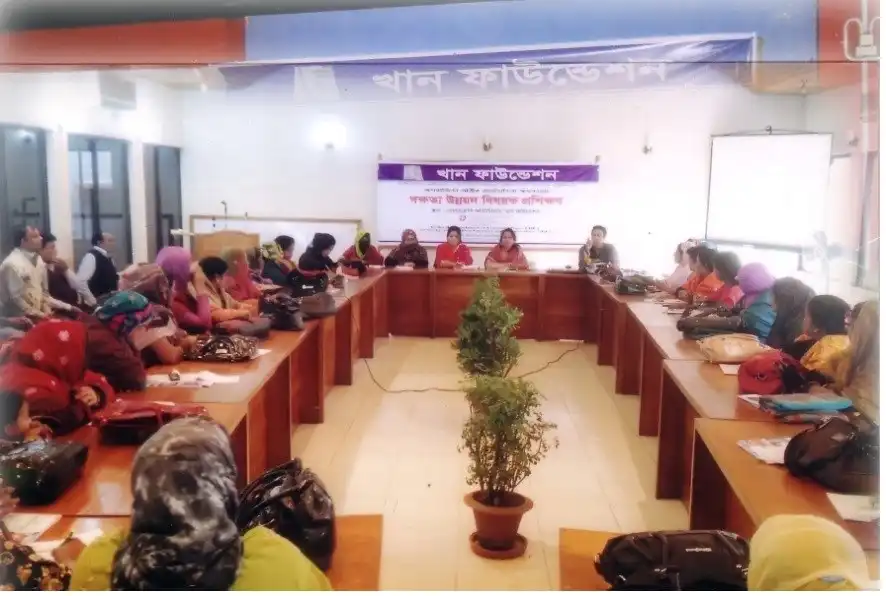
Training of Trainers (ToT) for project facilitators.
Orientation and capacity-building training for EWRs and PWRs.
Leadership development programs.
Workshops on local government roles, rights, and responsibilities.
Exposure visits and experience-sharing events.
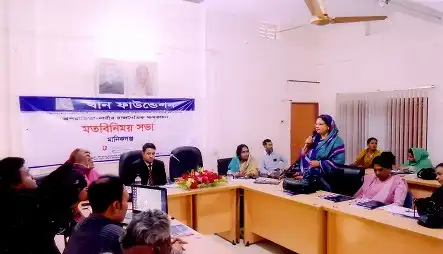
Constituency-level meetings with citizens and service providers.
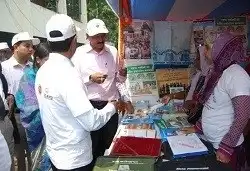
Democracy fairs and community awareness programs.
Formation and strengthening of women leader networks.
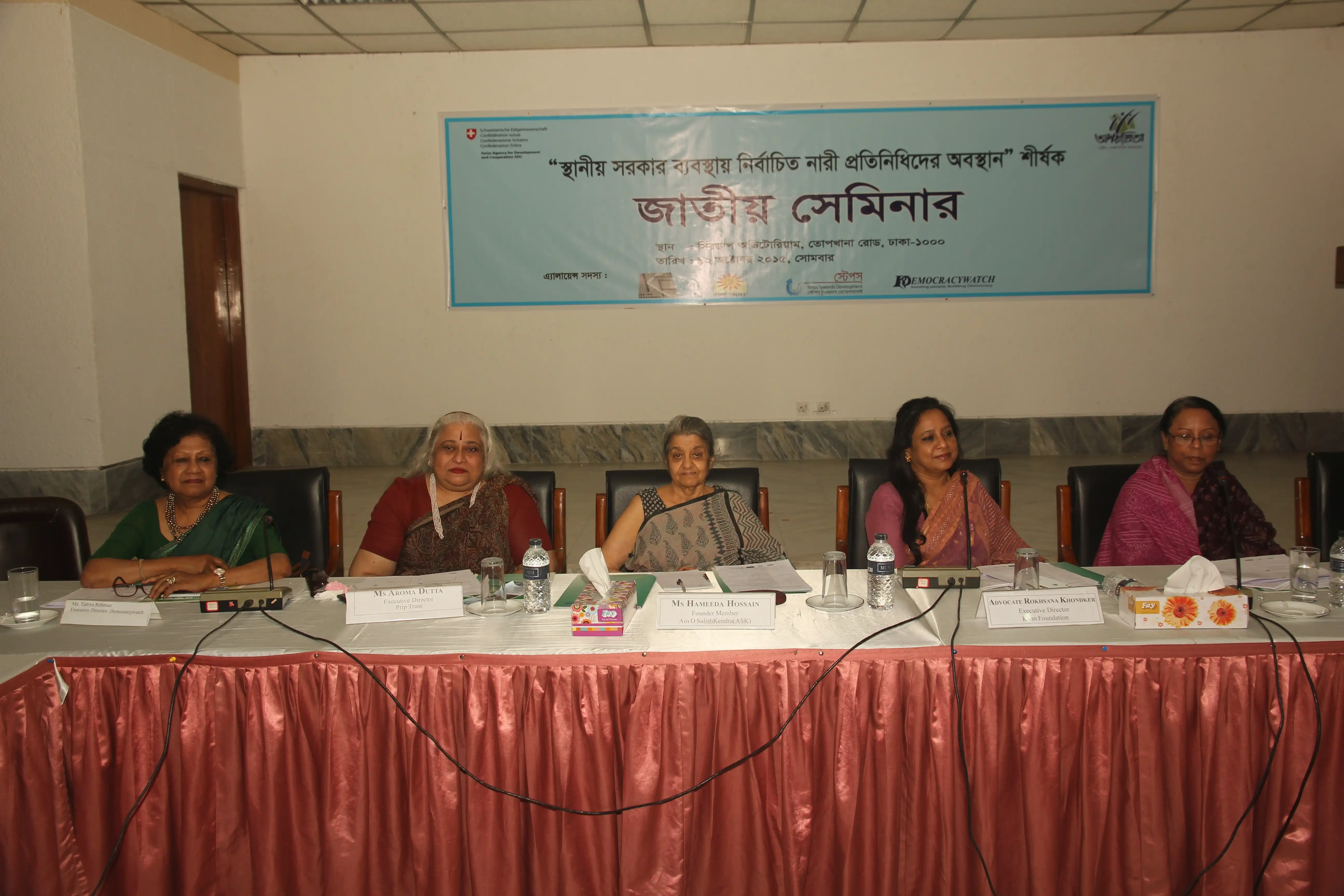
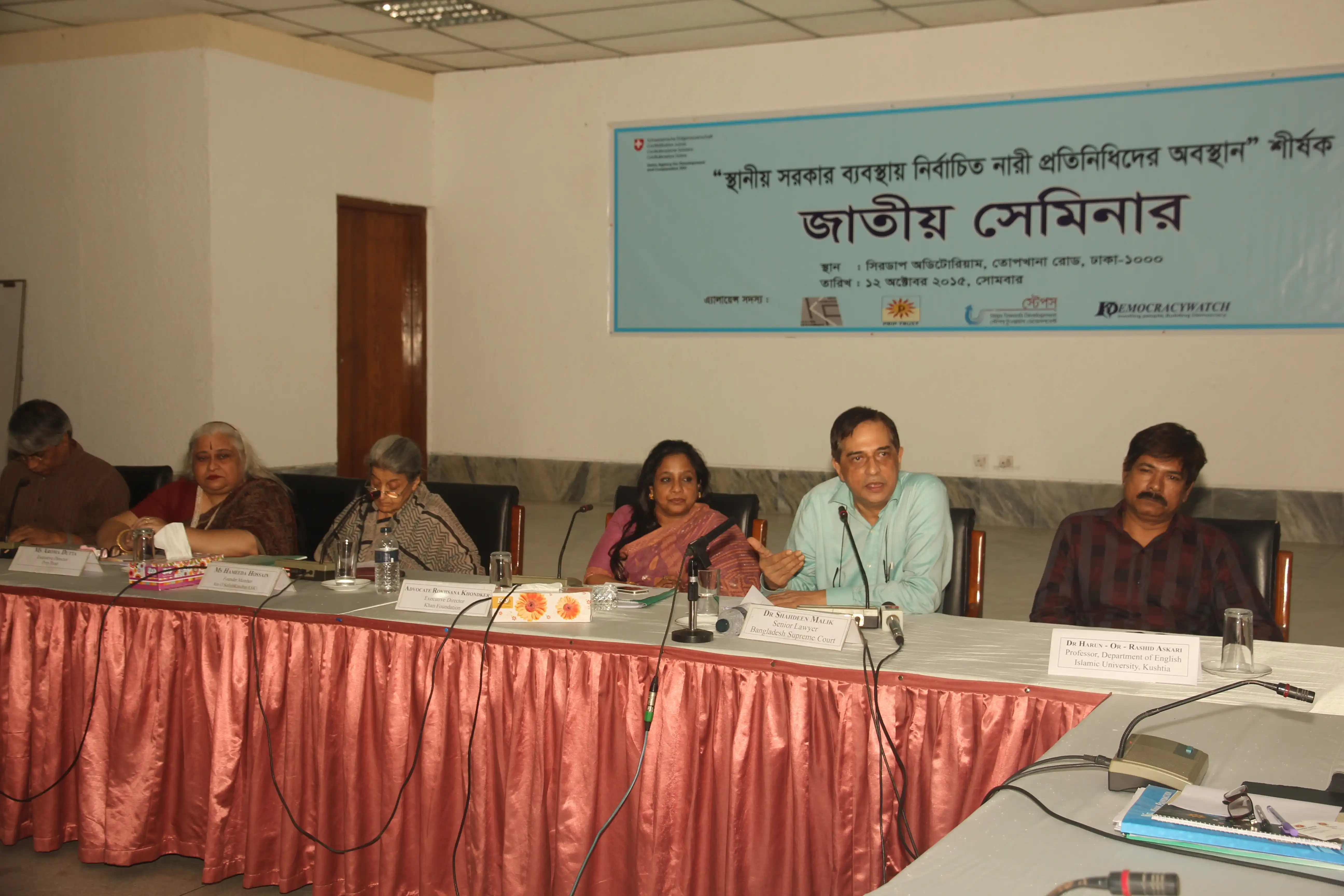
Policy advocacy seminars and research initiatives.
Establishment of Knowledge, Communication and Exchange (KCE) hubs.
Gender awareness activities involving communities, youth, men representatives, and political stakeholders.
Training of Graduate Aparajitas on Leadership on WPE and Governance
Training of 'new' Aparajitas on WPE (tailored for newly elected EWRs)
Training on Gender & UP governance: EWRs Roles and Responsibilities, incl. UP planning and budgeting
Training of WLs on different topics (for all EWRs & PWRs): SCs, UDCC, NNPC etc.
Support to WLs for peer teaching/learning (Quarterly meetings of UP level APJ networks)
Orientation of E/PWRs on how to dalogue with political parties & other relevant stakeholders
Orientation on and support for participation in election
Linking with Financial Institutions, etc.
Interface Meetings with service providers at LGIs (through UDCCs)
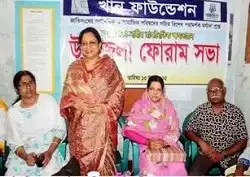
Supporting WDF meetings (UPZ level)
Supporting Standing Committees (with focus on 3 women-led SCs)
Interaction with Sectoral Experts
Strengthening/upgrading of informal women’s networks at different levels
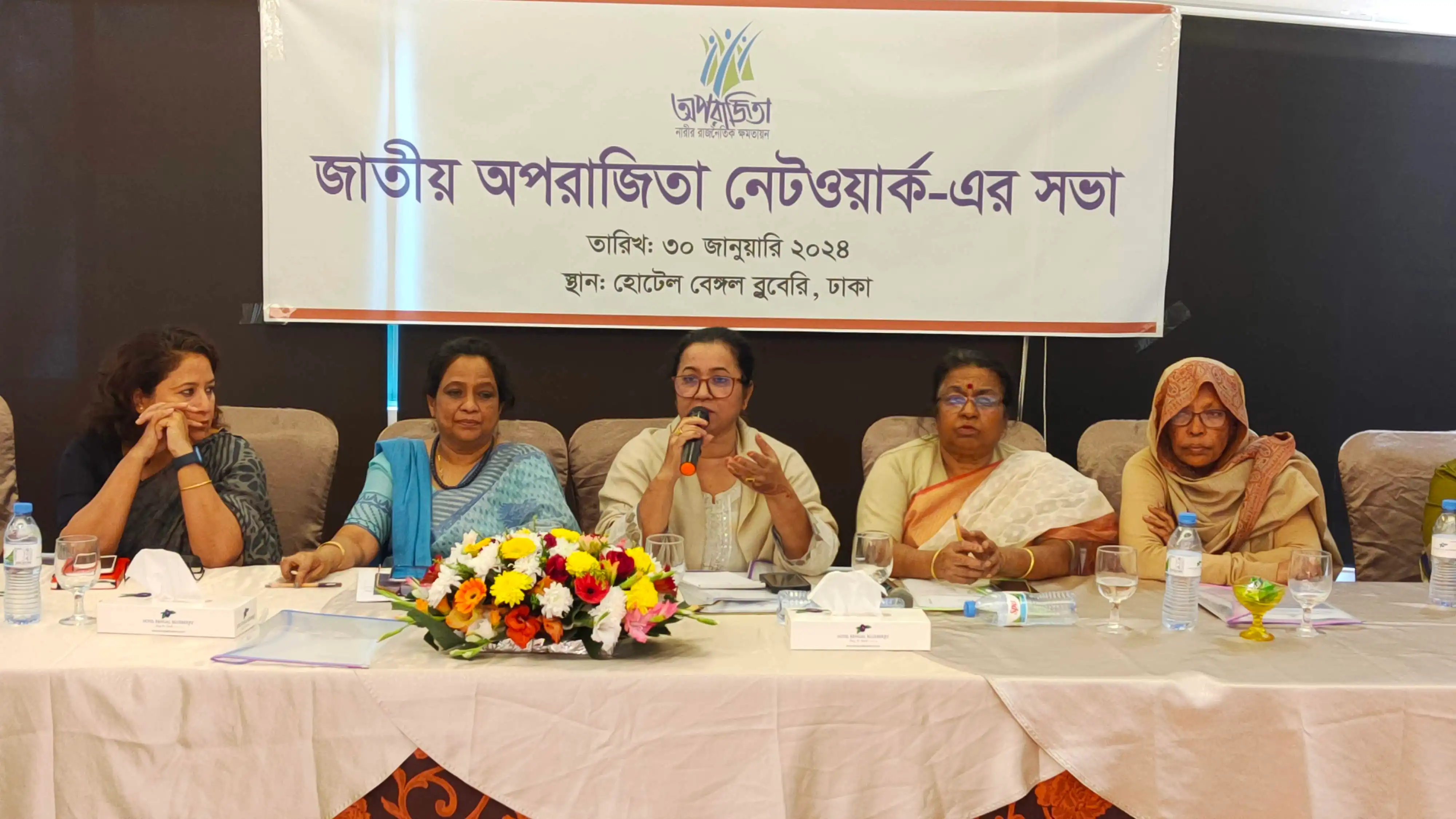
Formation and orientation of district,divisonal and naitonal APJ networks + Supporting their meetings
Radio & social media program
Sensitization of family and community members on gender roles & relations (through "Cultural Prgoram")
Sensitization of youth and community on gender roles and relations (through "School Program")
Gender & WPE sensitization orientation for Elected Male Representatives (EMRs)
Engagement with media
Interactive Meeting with Political Leaders (at District Level)
Exchange between Political Party Women's Wings and AWF members
Group interaction on RPO, policy and legal issues
Meetings with public service providers to address women rights and participation issues
Planning & budget allocation meeting to address women's rights issues
Learning & sharing meeting to increase women's participation in public service committees
Analysis and framing of policy reviews and strategy development
National level workshops (e.g. with PSC) for sensitization on WPE/policy dialogue
Dialogue/interaction between MPs/APJ leaders on national issues
National level: Interaction of WL and political parties
Dialogue with political leaders at divisional levels
Interaction with election commission
Interaction with all-party parliamentary group
National level: Aparajita communication platforms activated and updated regularly
National level: Support to Women Networks, CSO interest groups
Cross-cluster exposure visits (Local level: Information dissemination on project results...)
Intra-cluster exposure visits (Local level: Information dissemination on project results...)
Support for public discourse on WP representation through formulation of positions
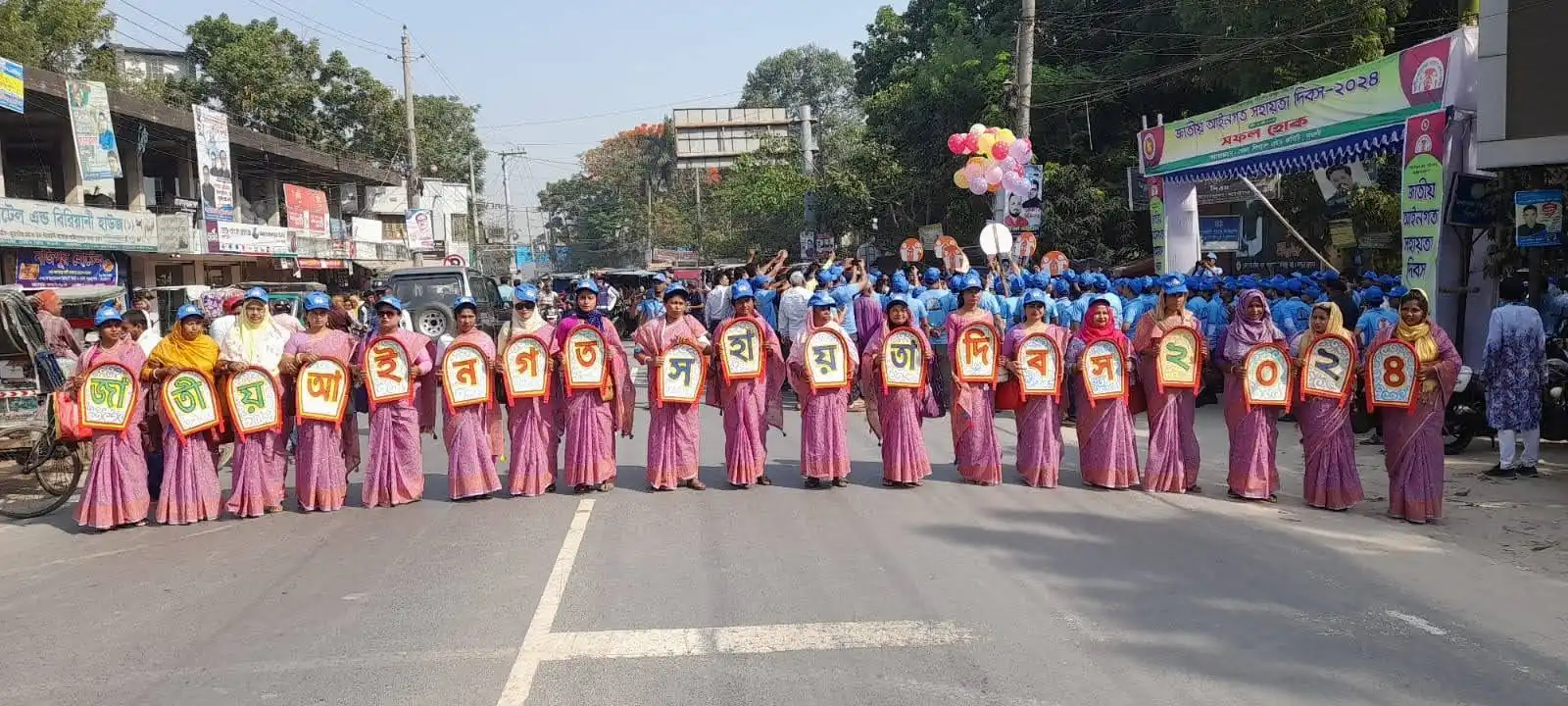
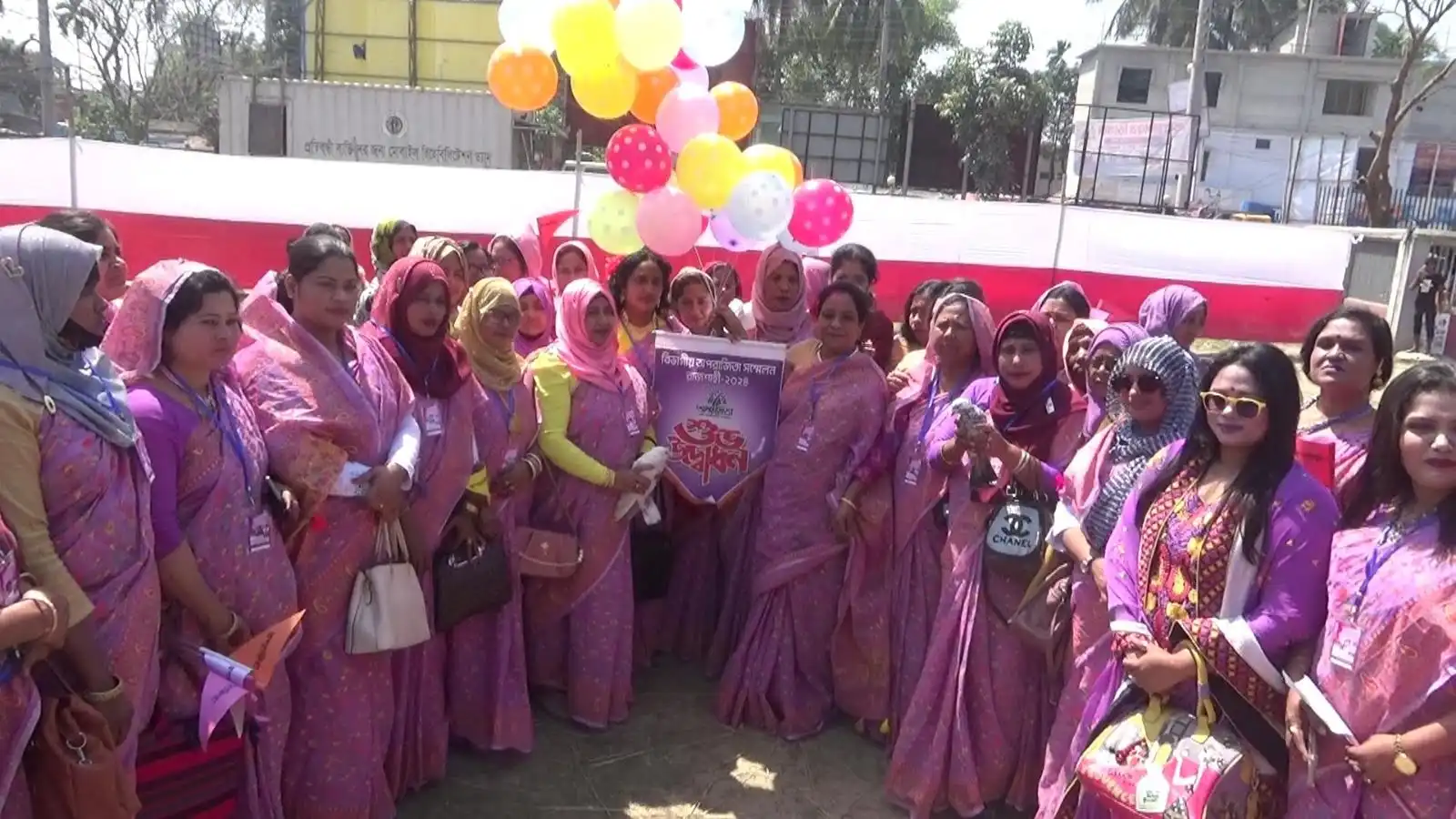
National convention
APARAJITA implemented a combination of training, mentoring, networking, advocacy, research, and community engagement activities to strengthen women’s political empowerment.
Supporting elected representatives, potential leaders, and citizens
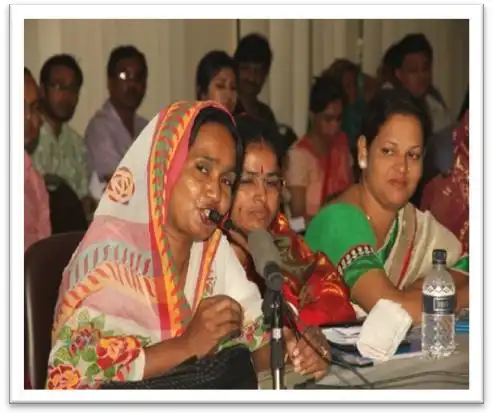
Elected Women Representatives (EWRs) of Union Parishads.
Potential Women Representatives (PWRs/PEWRs).
Women political leaders and activists.
Community members, especially poor and marginalized groups.
Local government stakeholders.
Youth and community groups.
Phase III engaged approximately 3,000 women leaders (“Aparajitas”) across 174 unions.
The primary beneficiaries were grassroots women leaders, including elected women representatives and potential future representatives, along with communities benefiting from improved local governance.