Projects
Loading Project...
Please wait while we load the project details

Please wait while we load the project details
Promoting Gender Equality and Justice Through Judicial Education and Awareness
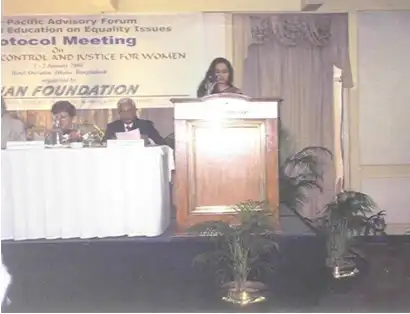
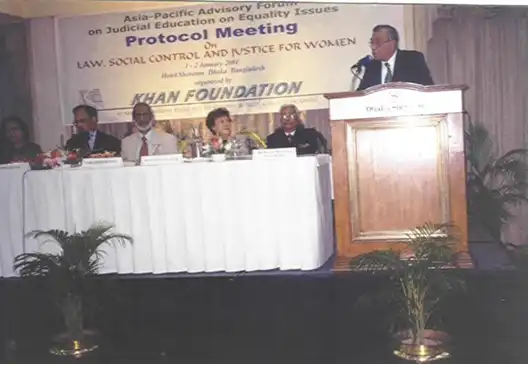
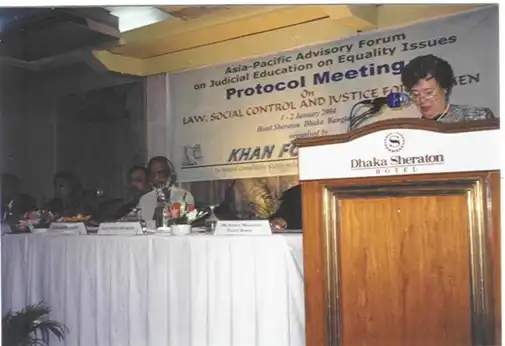
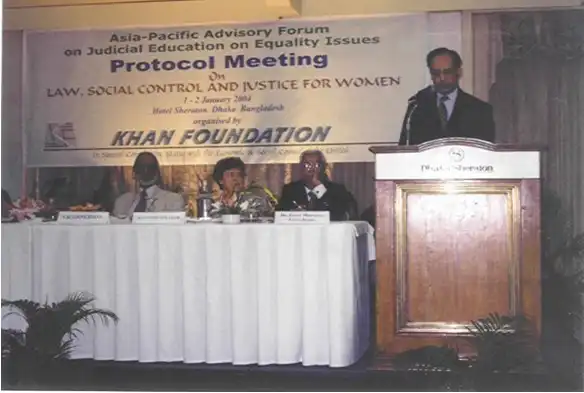
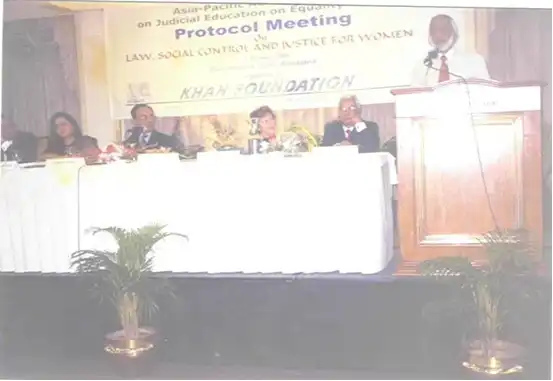
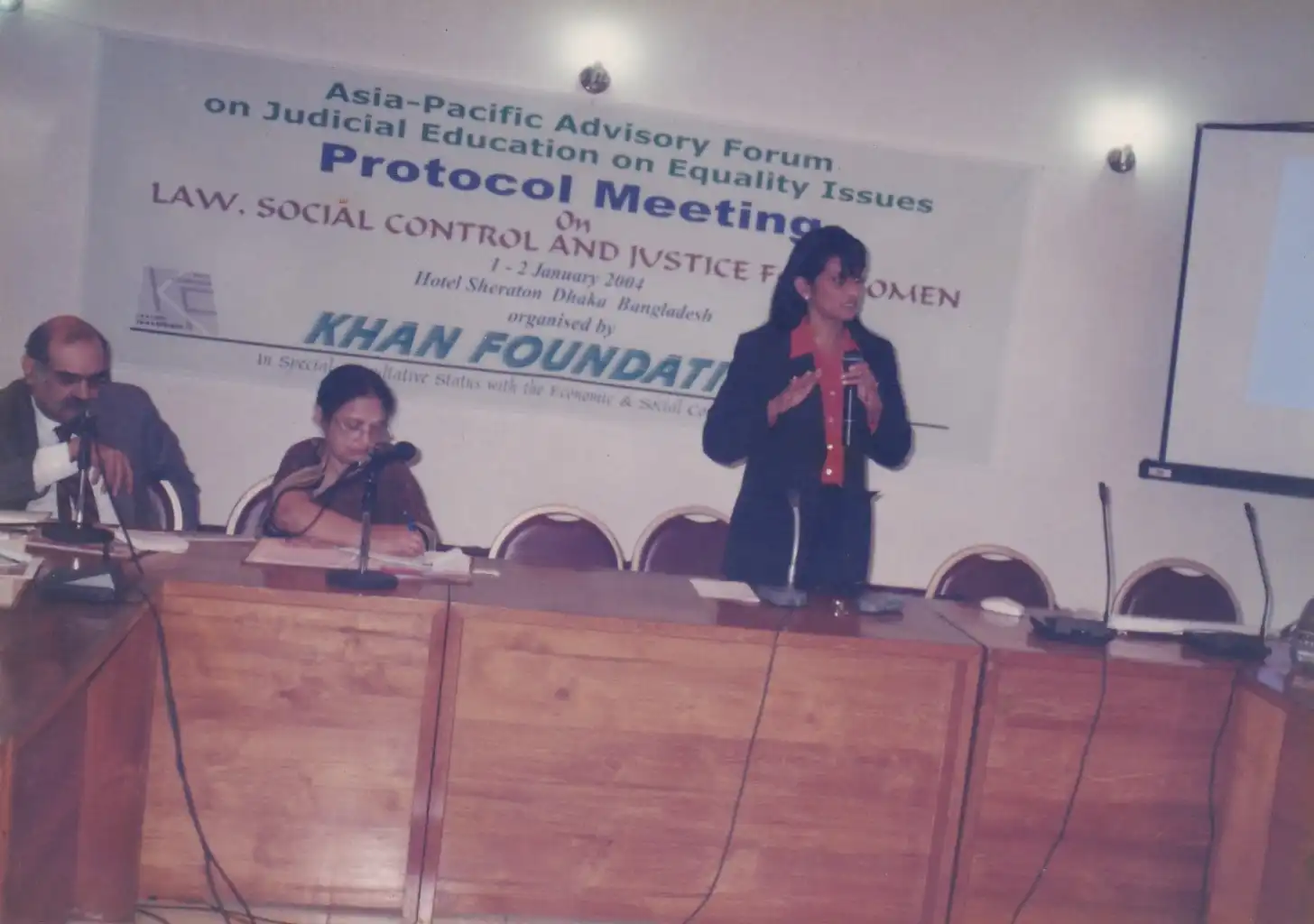
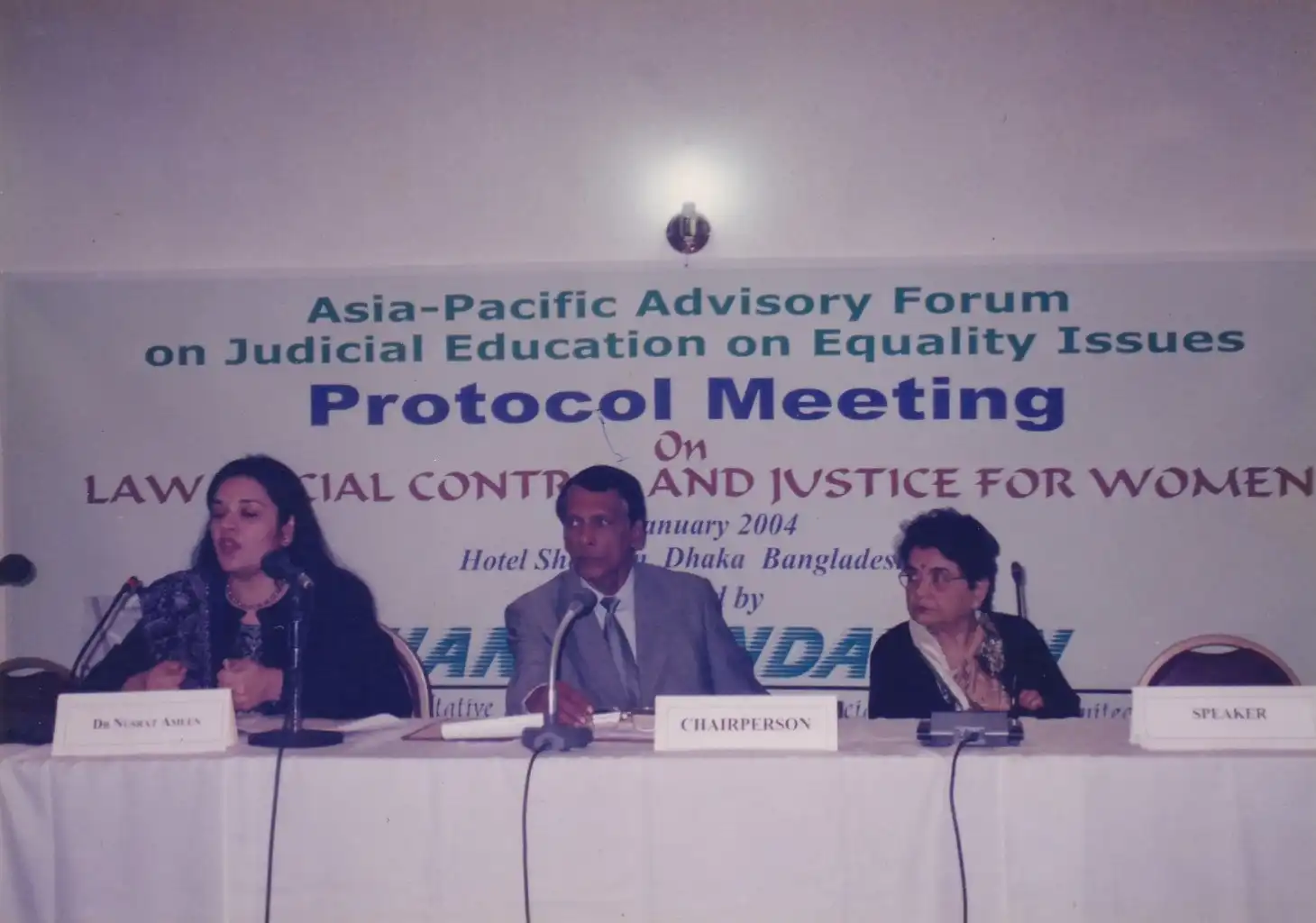
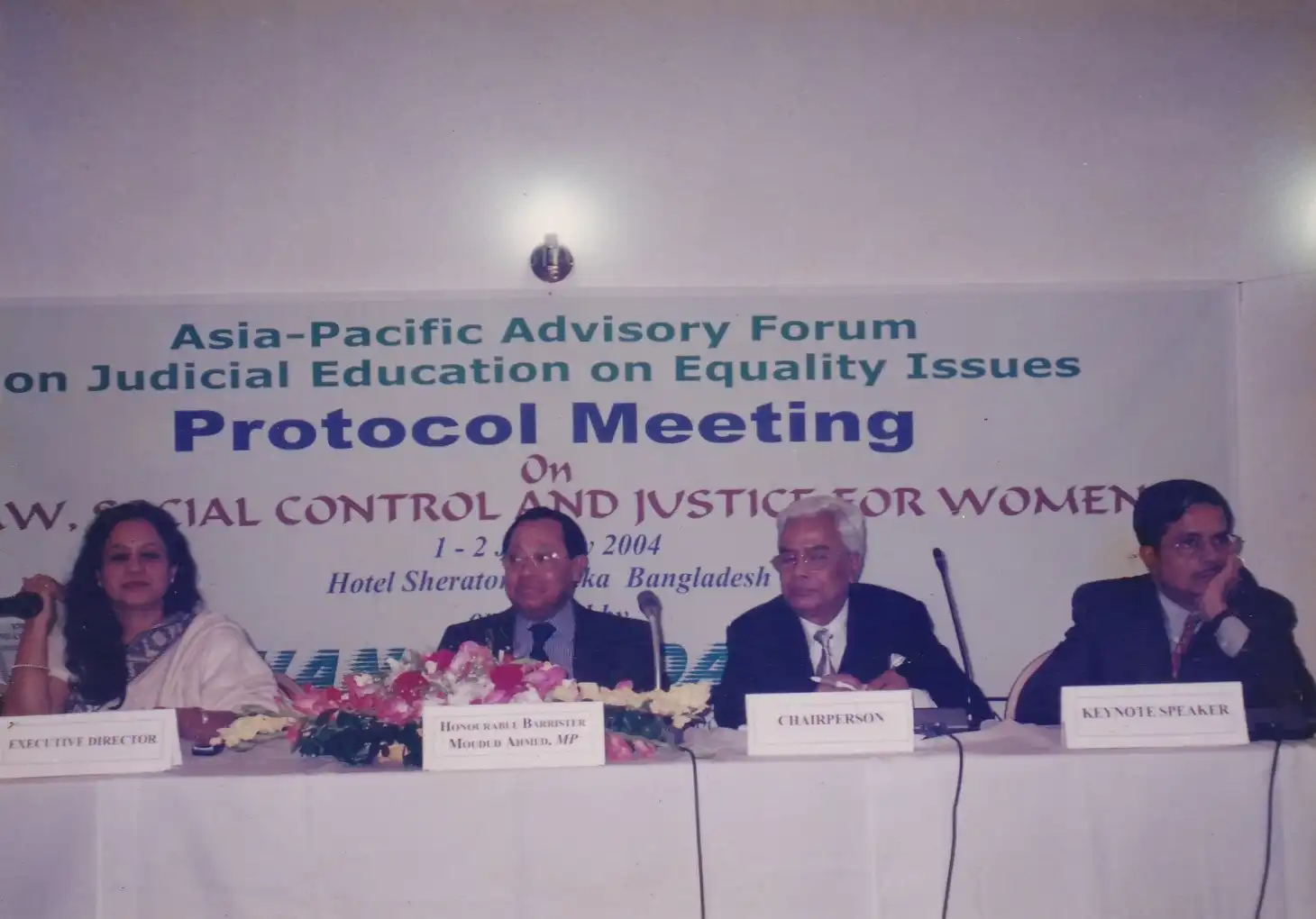
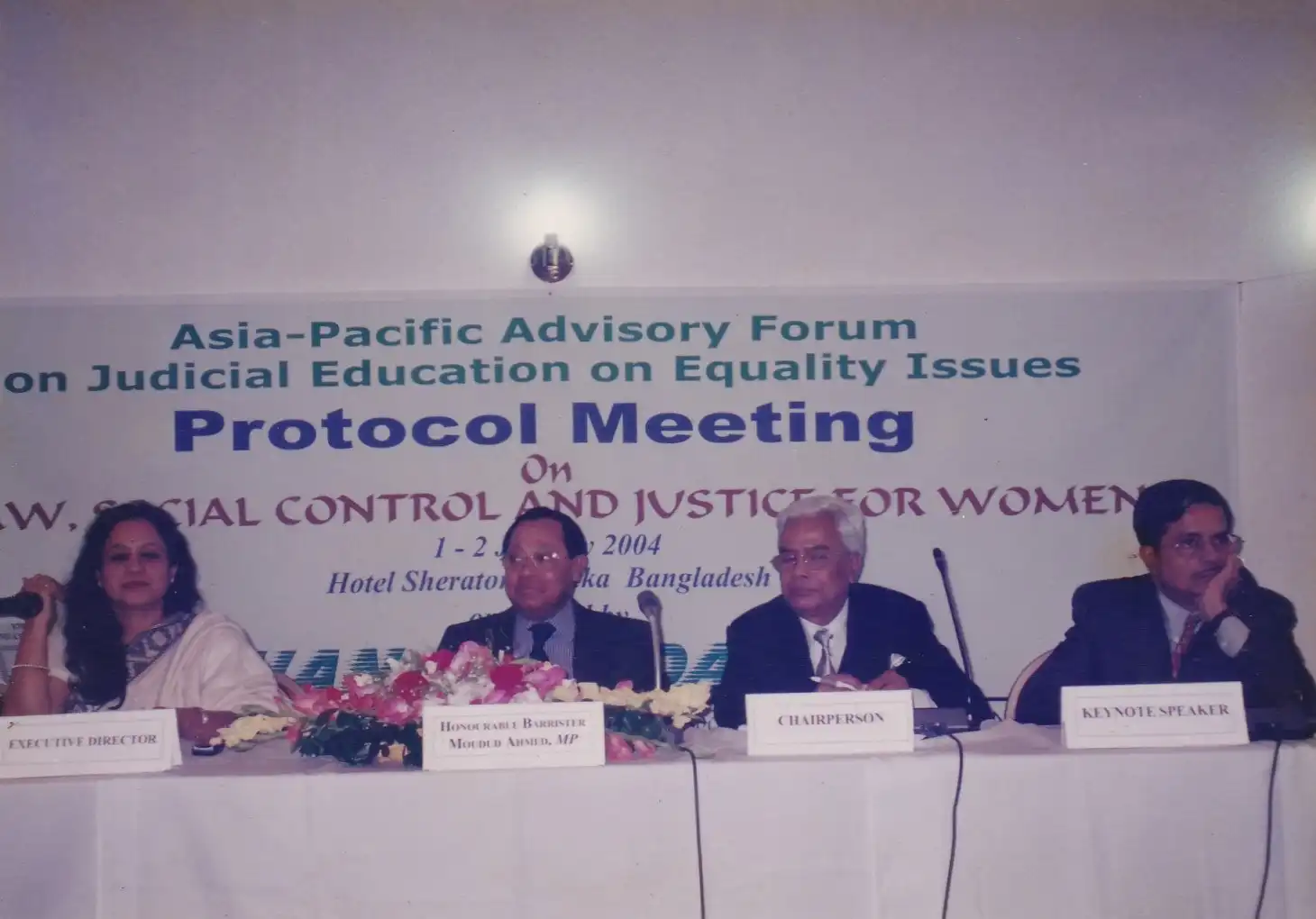
The project was a two-day protocol meeting organized to promote gender equality, strengthen
judicial understanding of equality issues, and improve access to justice for women. The meeting
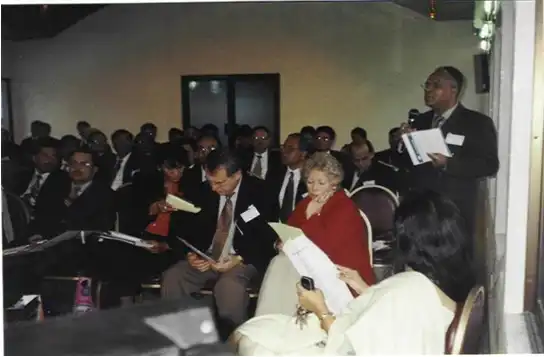
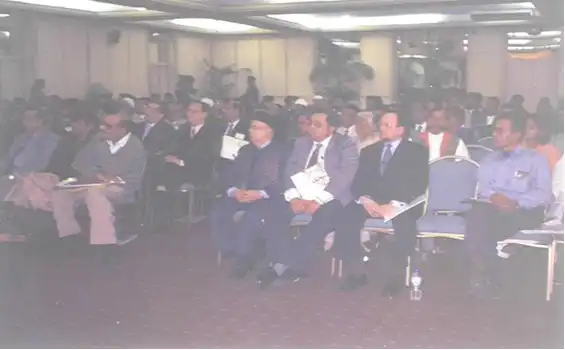
brought together judges, women lawyers, NGO representatives, government officials,
policymakers, civil society members, and development partners to exchange experiences and
discuss legal mechanisms for protecting women’s rights.
Enhancing judicial awareness and institutional response to women’s rights issues
Sensitize the judicial system to eliminate discrimination against women and reduce violence against women.
Share national and international judicial experiences.
Change social and institutional attitudes toward gender equality.
Institutionalize human rights principles through civil society involvement.
Develop and safeguard fundamental human rights in the Asia-Pacific region.
Protect vulnerable groups, especially women and children, from human rights abuses.
The protocol meeting aimed to sensitize the judicial system, promote gender-sensitive decision- making, share national and international experiences, and strengthen human rights protection mechanisms for women and vulnerable groups.
Building capacity among judicial actors and strengthening women's rights advocacy
Increased awareness among judges and legal professionals regarding gender equality issues.
Strengthened dialogue between judicial institutions, NGOs, and civil society.
Improved understanding of barriers faced by women in accessing justice.
Generated recommendations for gender-sensitive legal reforms.
Encouraged cooperation among regional stakeholders on equality issues.
Promoted stronger protection of women and children from human rights abuses.
The meeting created greater understanding among judges, lawyers, NGOs, and policymakers regarding gender equality, judicial sensitivity, and the need for effective implementation of laws protecting women.
Promoting legal awareness, judicial sensitivity, and institutional collaboration
Judicial Education Intervention
Training and knowledge exchange among judges and legal professionals.
Gender Sensitization Intervention
Addressing stereotypes and biases affecting judicial decisions.
Legal Awareness Intervention
Promoting understanding of women’s constitutional and legal rights.
Networking and Partnership Intervention
Creating cooperation among judges, lawyers, NGOs, and civil society organizations.
Policy Recommendation Intervention
Developing recommendations for improving laws and implementation mechanisms.
The intervention focused on improving judicial education, reducing gender bias, strengthening legal protection mechanisms, and encouraging collaboration among justice-sector stakeholders.
Creating a platform for legal professionals and stakeholders to discuss equality issues
Two-Day Protocol Meeting
Organized on 1st–2nd January 2004.
Included national and international participants from the judicial and development sectors.
Formal Sessions and Paper Presentations
Included keynote presentations, open discussions, and brainstorming sessions.
Women and Law Session
Discussed access and equality to social justice for women.
Judicial Decision-Making Session
Focused on gender-sensitive judicial practices and eliminating bias in judgments.
Violence Against Women Session
Examined the Bangladesh perspective of violence against women and legal challenges.
Recommendations and Future Actions
Developed recommendations for improving legal systems and protecting women’s rights.
The project organized presentations, discussions, and interactive sessions among national and international judges, lawyers, NGOs, government representatives, and civil society members to address gender equality, women’s rights, and justice systems.
Supporting justice actors and communities affected by gender inequality
Direct Beneficiaries:
Judges and Justices of Bangladesh and abroad.
Women lawyers.
NGO representatives.
Government officials.
Development partners.
Civil society members.
Indirect Beneficiaries:
Women facing discrimination or violence.
Children.
Persons with disabilities.
Vulnerable communities.
The direct beneficiaries were judges, lawyers, NGO representatives, government officials, and civil society members who participated in the meeting. Indirect beneficiaries included women, children, persons with disabilities, and vulnerable communities who benefit from improved justice systems.