Projects
Loading Project...
Please wait while we load the project details

Please wait while we load the project details
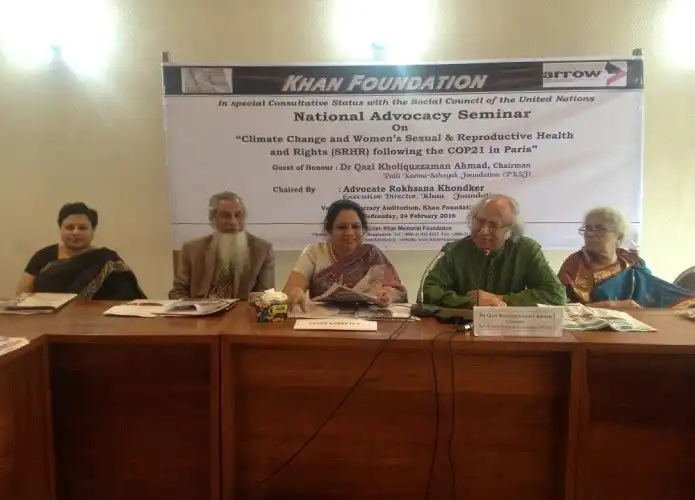
Strengthening awareness, evidence generation, and advocacy on the impacts of climate change on women’s sexual and reproductive health rights.
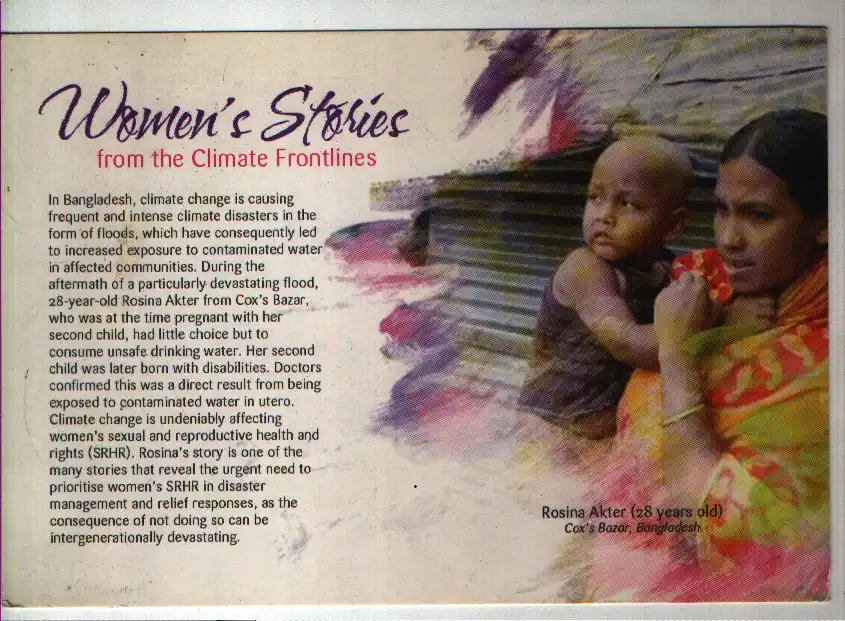
The project aimed to create knowledge and awareness on the impact of global climate change on
sexual and reproductive health rights (SRHR) of poor and marginalized communities in
Bangladesh. It focused on generating evidence, improving community awareness, advocating for
gender-responsive climate policies, and strengthening access to SRHR services for women
affected by climate-related disasters.
Building evidence, awareness, and policy support for vulnerable women affected by climate change.
Identify the relationship between climate change and SRHR.
Generate evidence on climate change impacts on SRHR.
Advocate for integrating SRHR into national climate change policies.
Increase awareness among policymakers and communities.
Promote SRHR services for women after disasters.
The project sought to investigate the relationship between climate change and SRHR, generate evidence, influence policies, and improve awareness among communities, policymakers, and stakeholders.
Evidence-based understanding of climate change impacts on women’s SRHR.
Completed research on the connection between climate change and women’s SRHR.
Generated evidence through a study involving 3,360 women from vulnerable communities.
Increased awareness among beneficiaries and policymakers.
Strengthened advocacy for gender-responsive climate policies.
Highlighted women’s health risks during disasters.
The project generated research evidence and increased awareness among communities, policymakers, service providers, and stakeholders regarding climate change-related SRHR challenges.
Promoting gender-responsive approaches in climate adaptation and health services.
Research and evidence generation.
Policy advocacy.
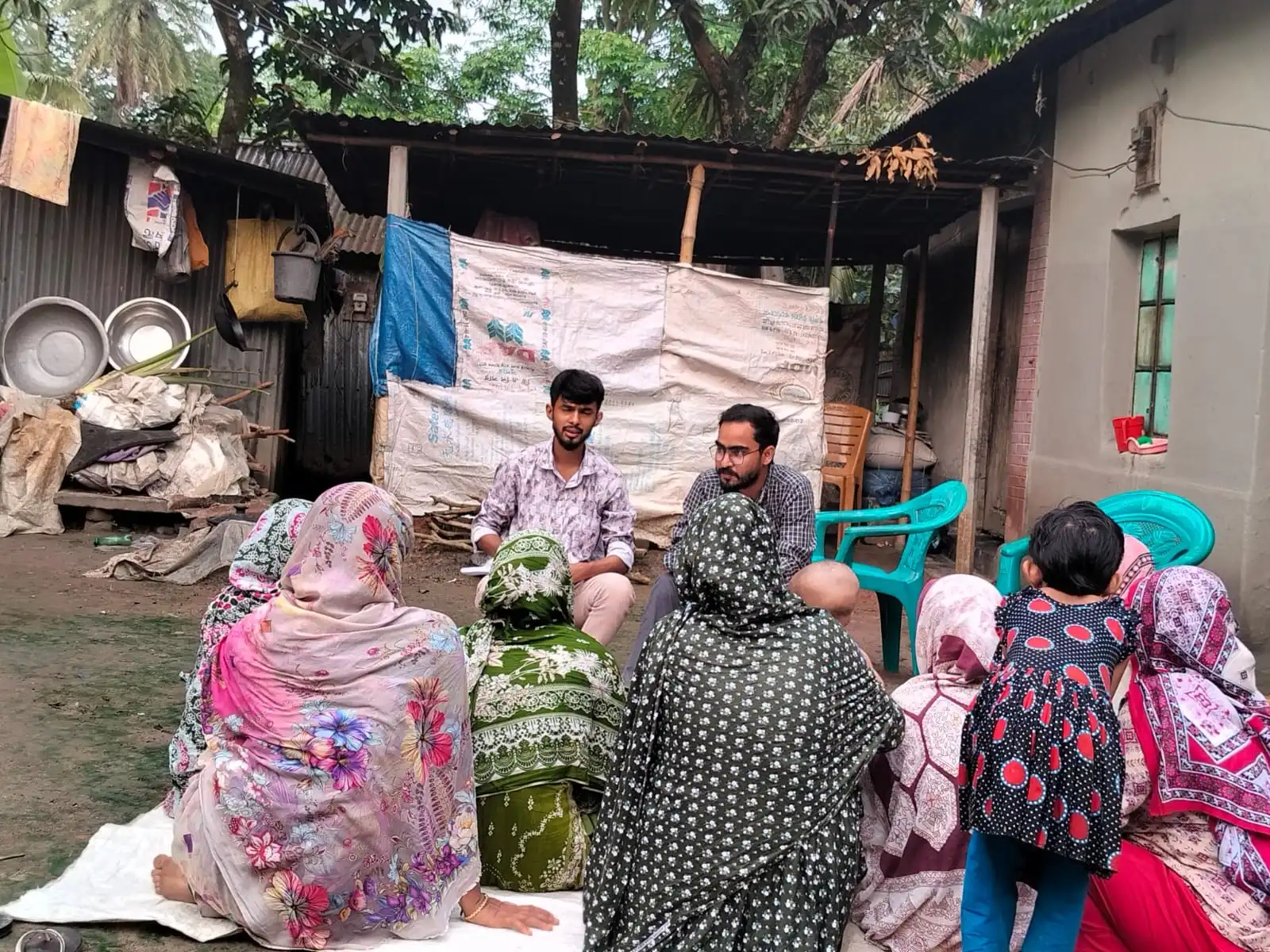
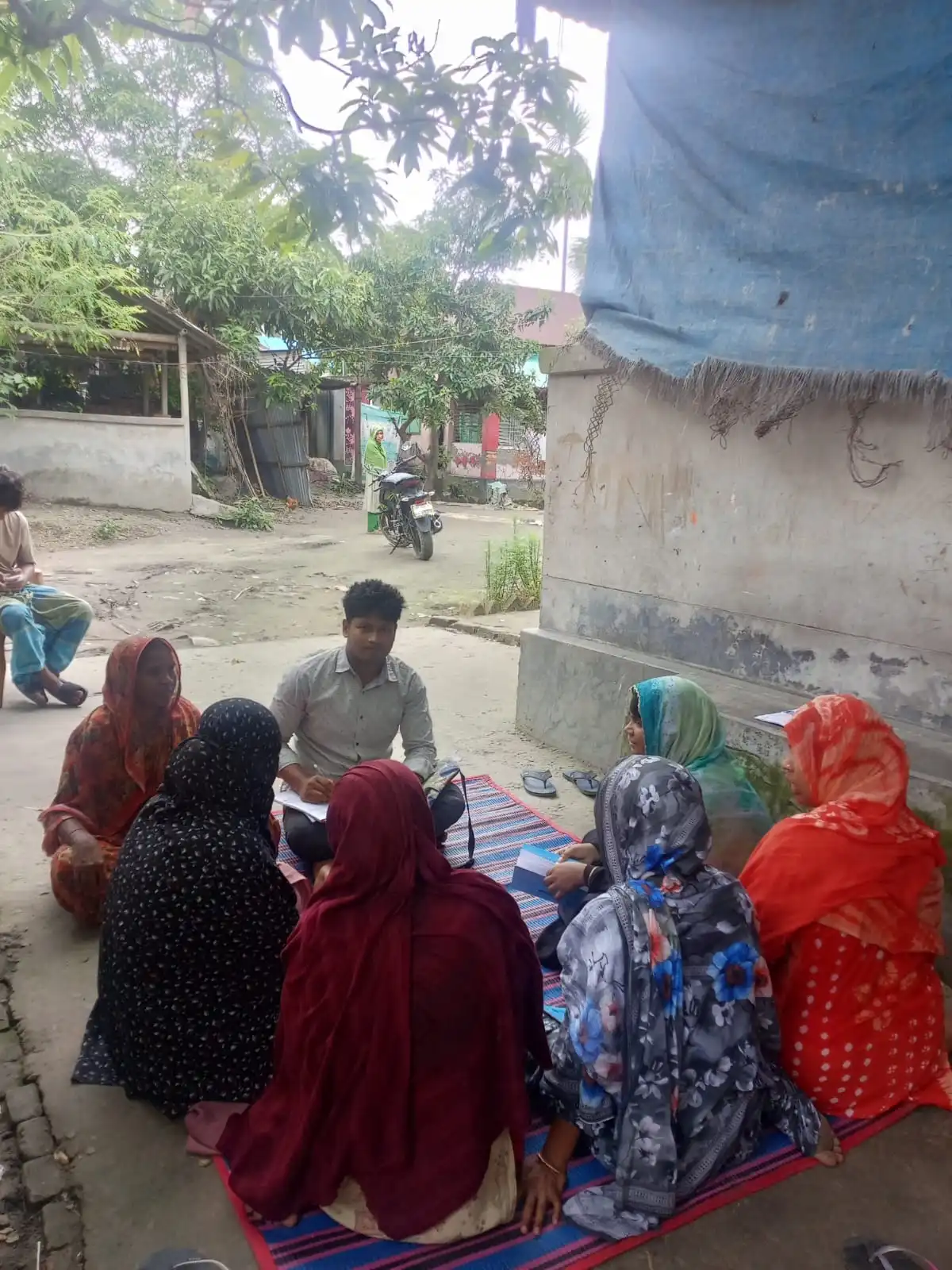
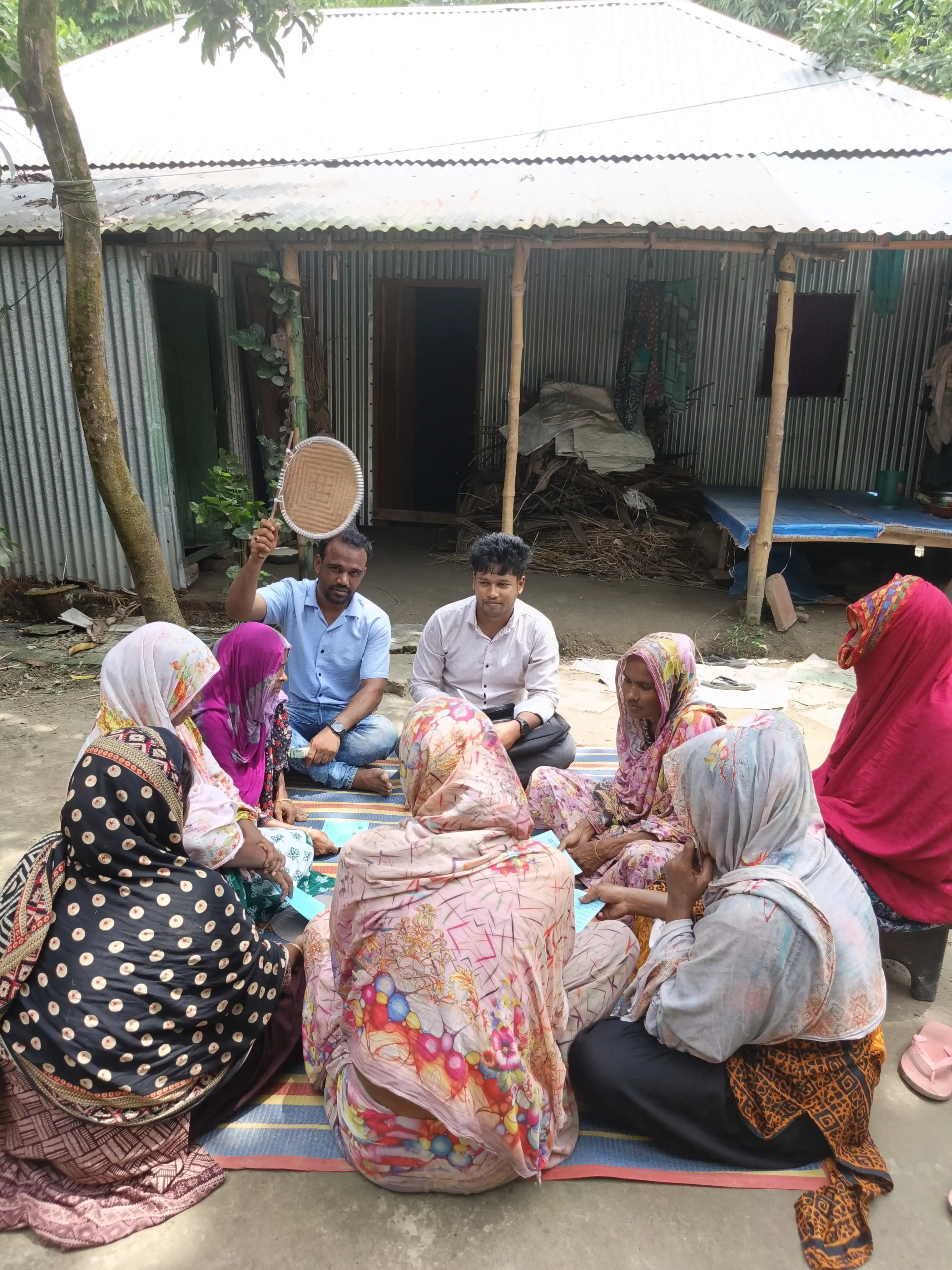
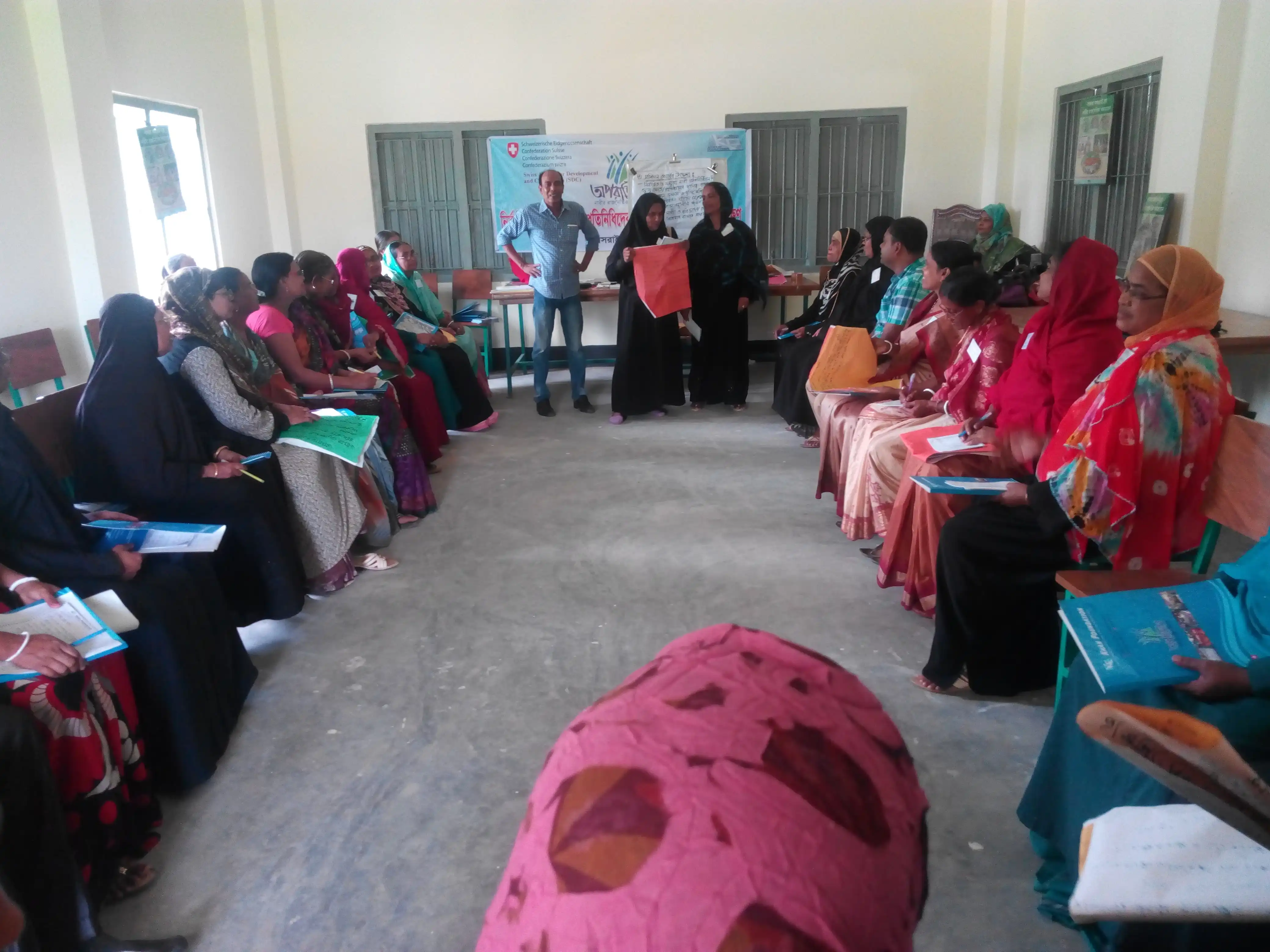
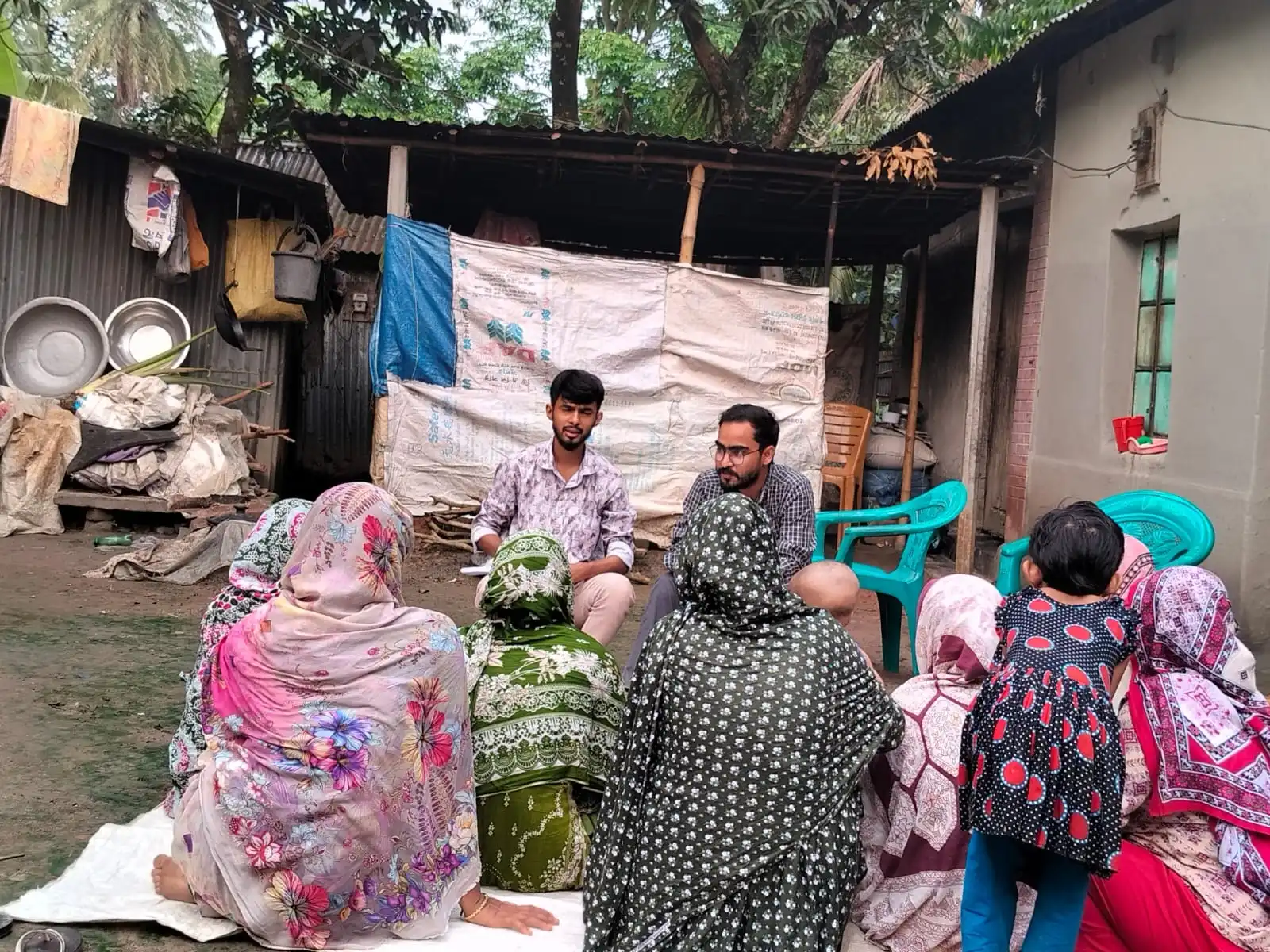
Community awareness sessions.
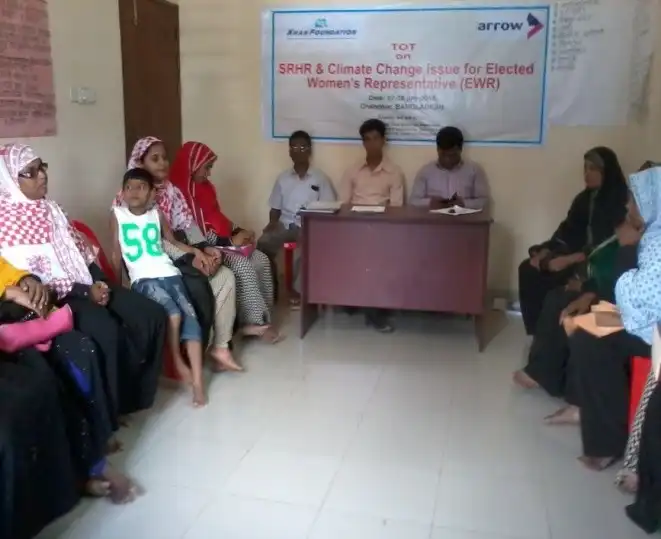
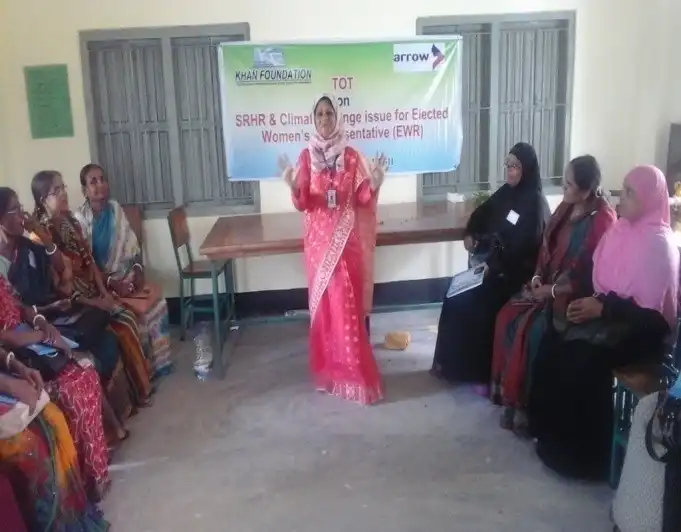
Capacity building of elected women representatives.
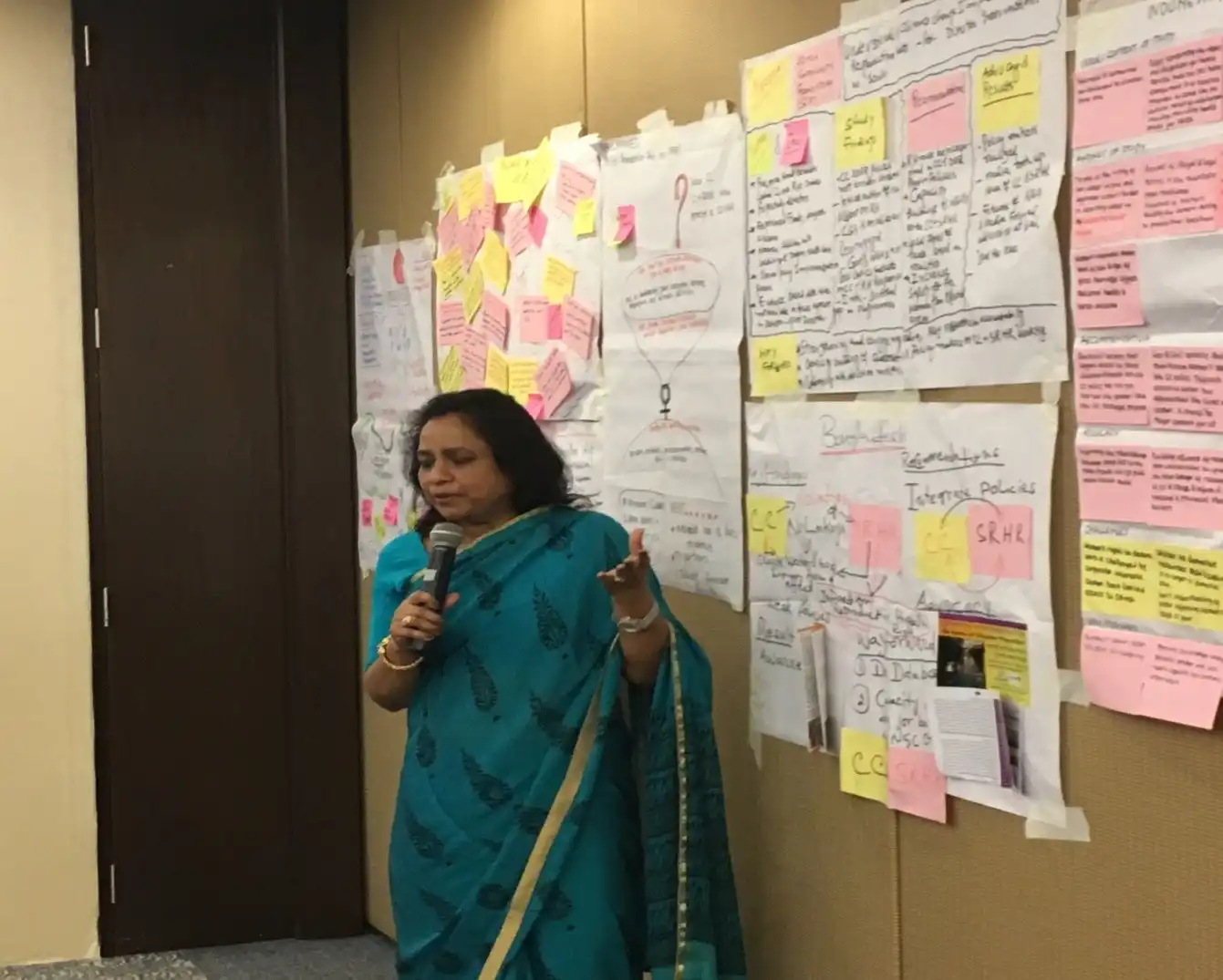
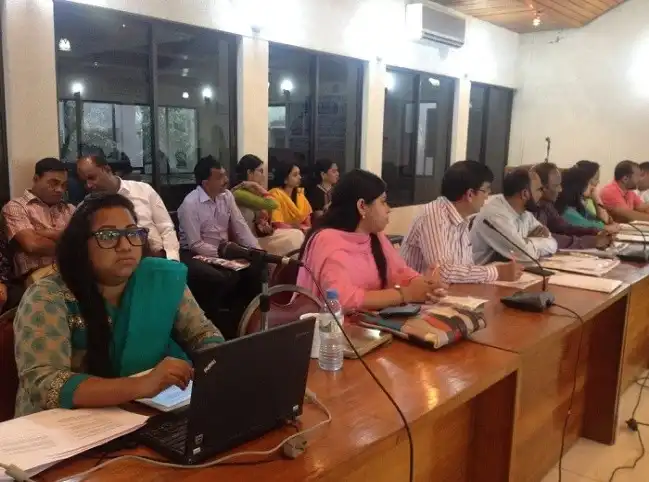
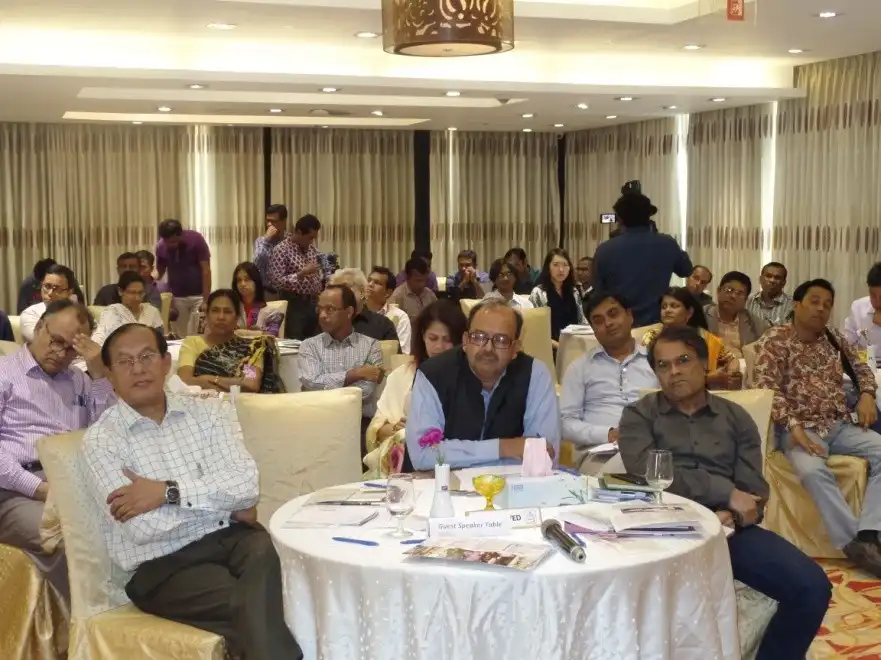
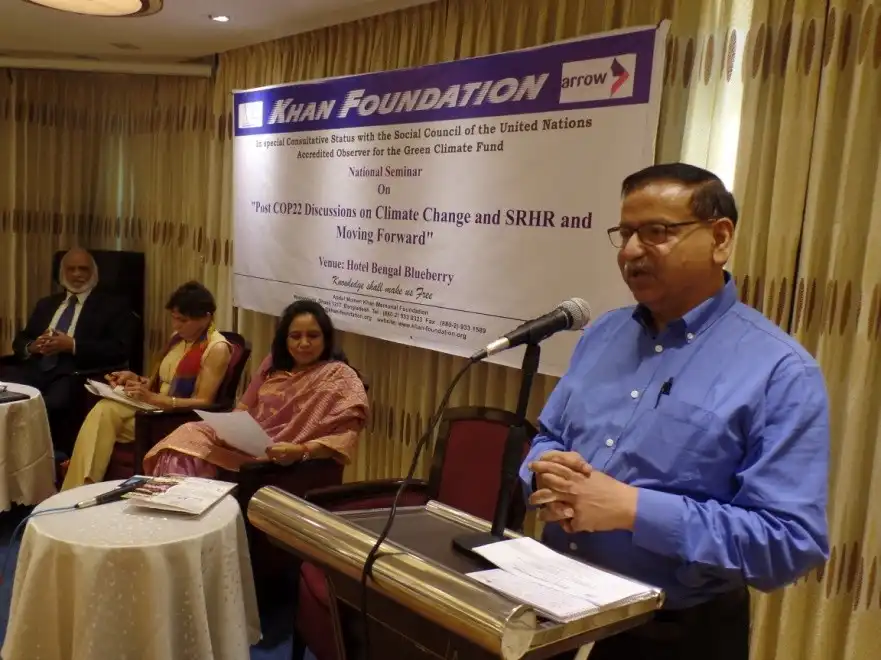
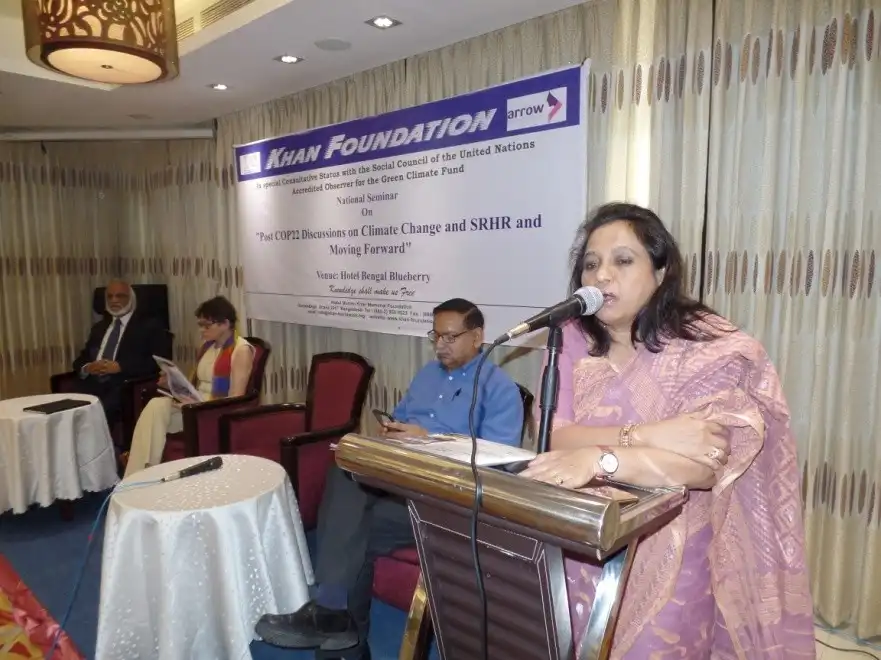
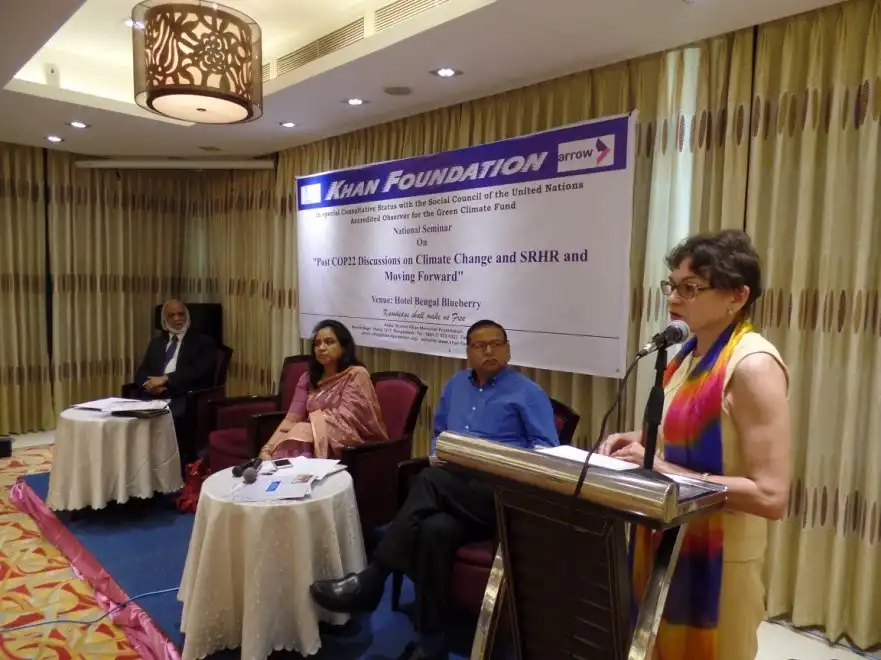
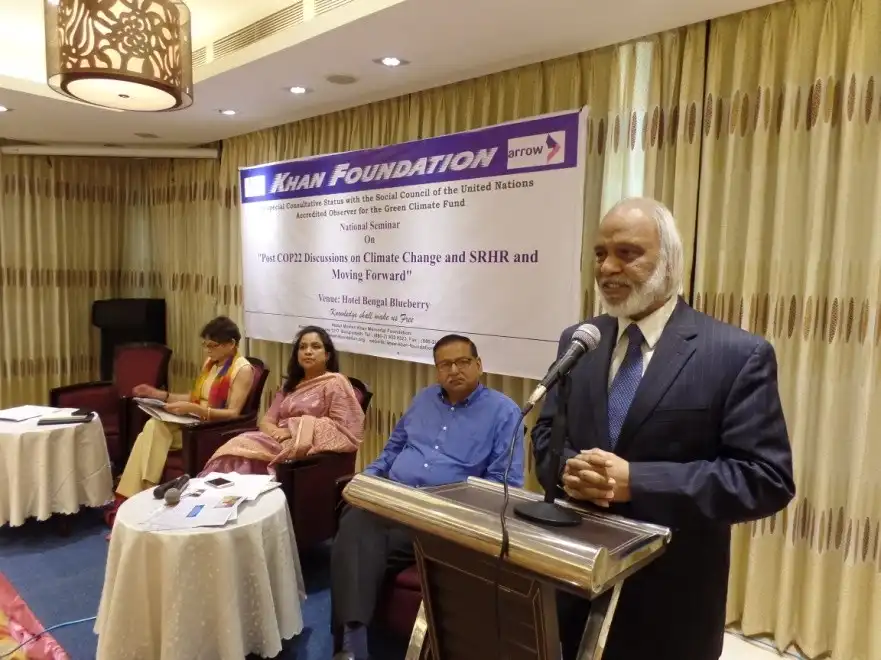
Advocacy workshops.
Information sharing through IEC materials.
Promotion of gender-sensitive disaster management approaches.
The project combined research, advocacy, awareness raising, and stakeholder engagement to integrate SRHR concerns into climate change policies and disaster response mechanisms.
Generating evidence and strengthening stakeholder capacity on Climate Change and SRHR.
Conducted research/scoping study on SRHR and climate change.
Developed questionnaires and research methodology.
Conducted surveys, FGDs, and key informant interviews.
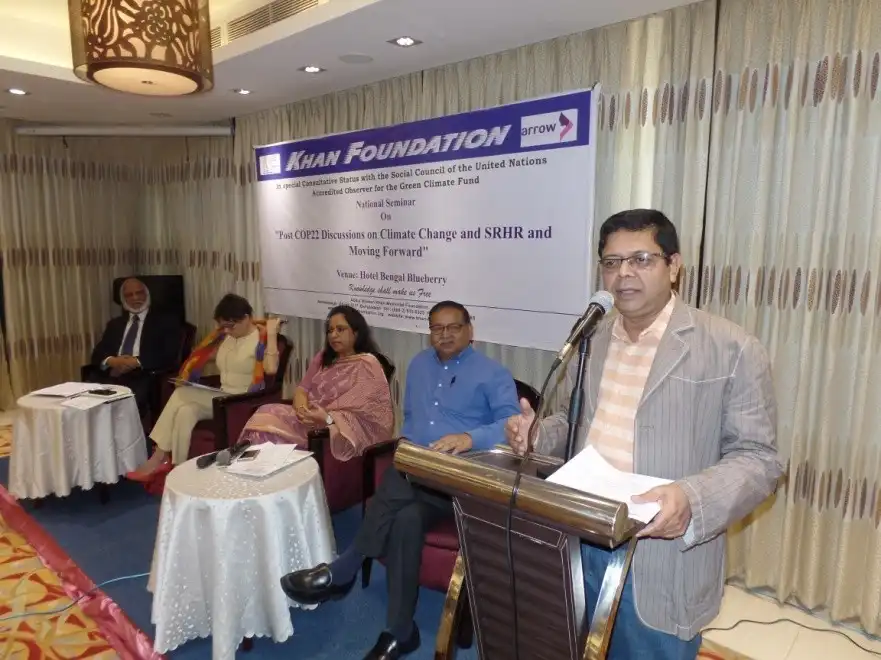
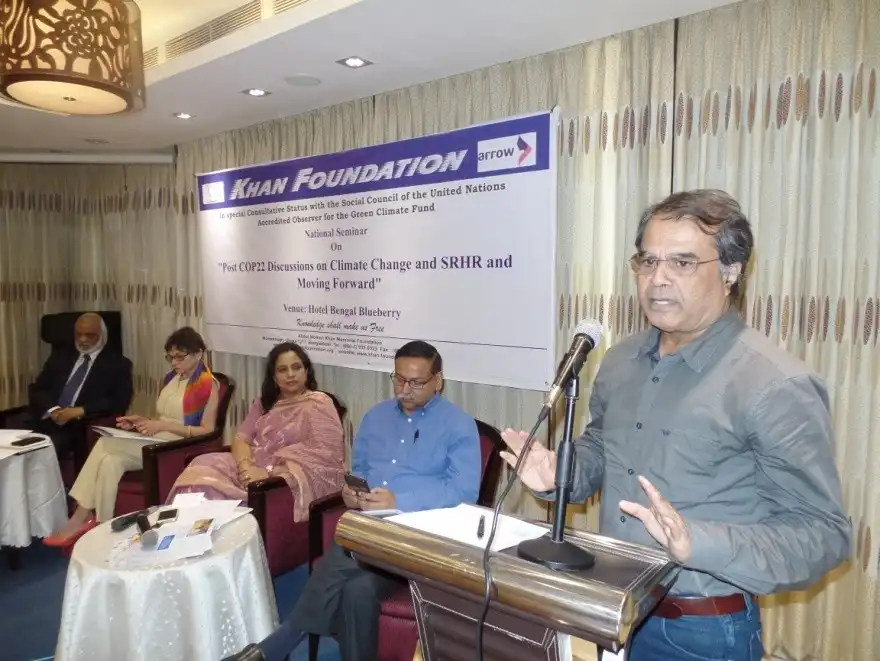
Organized national advocacy workshops.
Developed IEC materials and awareness campaigns.
Engaged elected women representatives (EWRs).
Conducted policy advocacy with policymakers, MPs, and decision-makers.
The project implemented research activities, advocacy workshops, awareness campaigns, and engagement with elected women representatives to mainstream SRHR into climate change discussions.
Supporting marginalized populations in disaster-prone areas.
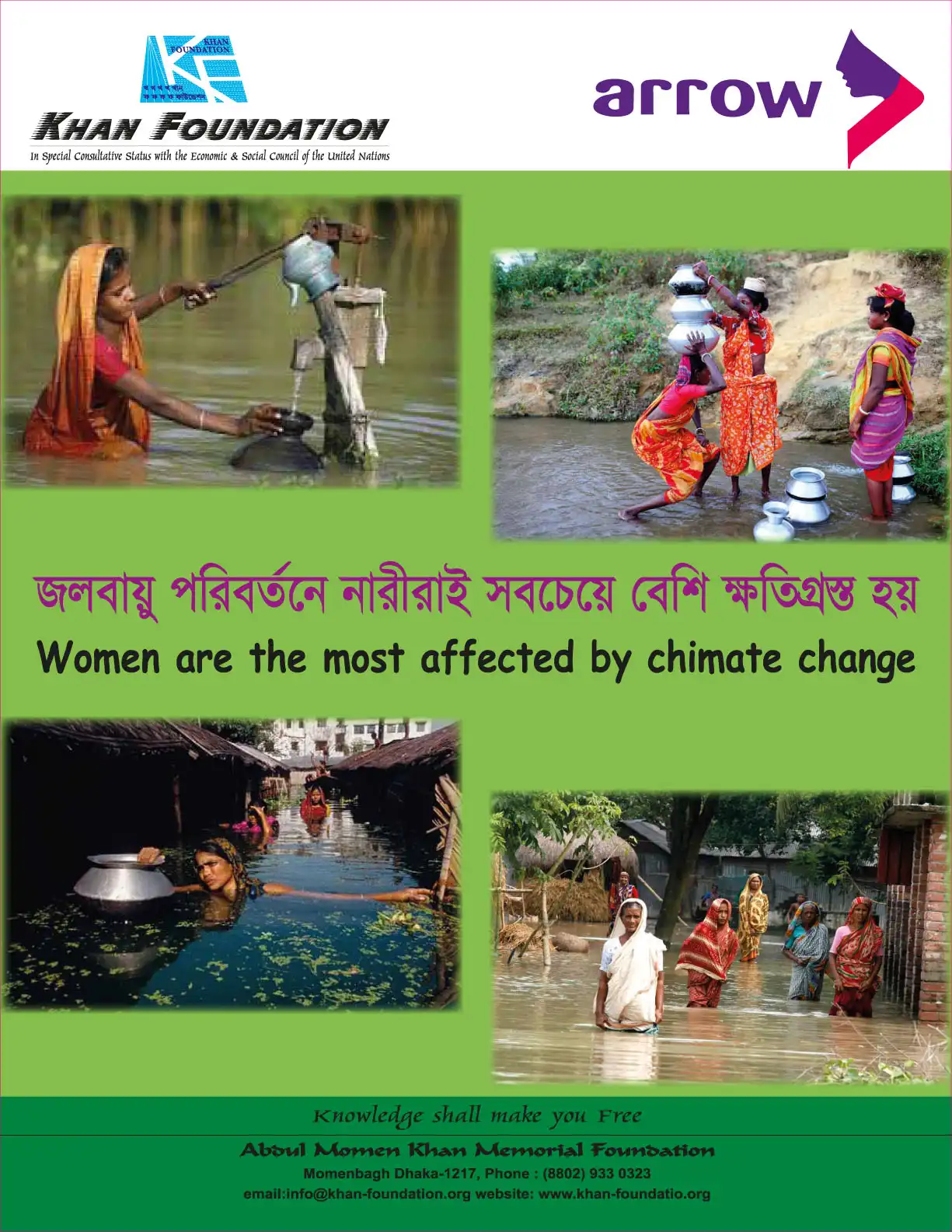
Women in coastal communities.
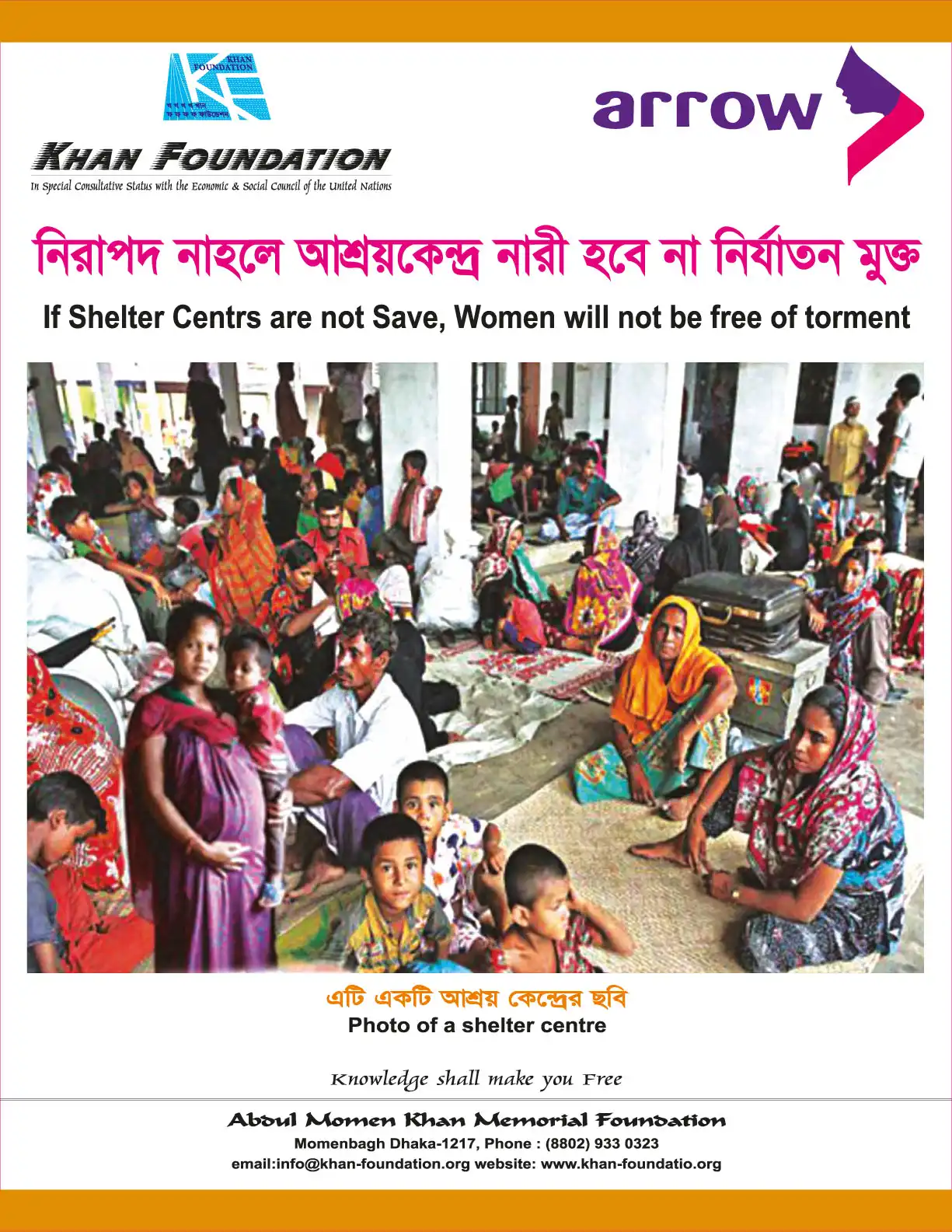
Women in flood-prone and disaster-prone areas.
Pregnant women and women requiring reproductive health services.
Local communities.
Elected Women Representatives (EWRs).
Policymakers, health workers, and civil society stakeholders.
The project primarily targeted poor and marginalized women, particularly those living in climate-vulnerable coastal and flood-prone regions of Bangladesh.