Projects
Loading Project...
Please wait while we load the project details

Please wait while we load the project details
Protecting Human Rights by Preventing Trafficking and Violence Against Women and Children
The project aimed to ensure basic human rights by combating trafficking and violence against
women and children. It focused on preventing human rights violations, increasing public
awareness, supporting victims, strengthening community mechanisms, and creating coordination
among government and non-government stakeholders. The project used innovative approaches
including a 24-hour mobile hotlink service and Community Watch Groups (CWGs) to provide
immediate support and establish grassroots protection systems.
Preventing trafficking, supporting victims, and building community-based protection systems
Prevent and end gross human rights violations including trafficking and violence against women and children.
Raise awareness among citizens about trafficking, violence, laws, and constitutional rights.
Monitor, report, and seek redress for human rights violations.
Support victims of human rights violations.
Educate and train human rights workers and defenders.
Sensitize policymakers for necessary actions and policy improvement.
Create coordination, linkage, and networking among stakeholders.
The project aimed to reduce trafficking and violence against women and children by increasing awareness, strengthening victim support mechanisms, training human rights defenders, and improving coordination among stakeholders.
Enhanced awareness, response capacity, and stakeholder networks
1. Established 24-hour mobile hotlink support services for victims.
2. Increased community awareness about trafficking and violence.
3. Strengthened Community Watch Groups at grassroots level.
4. Improved coordination among government agencies, NGOs, lawyers, police, and community organizations.
5. Provided immediate legal support, emergency response, and victim referral services.
6. Supported resolution of reported violence and trafficking cases.
Achievements:
• 715 cases were handled through the project mechanism.
• 341 cases were solved while 374 remained in progress.
The project created stronger community-level mechanisms to prevent trafficking and violence through mobile technology, trained volunteers, awareness programs, and coordinated support services.
Technology-enabled reporting with community-based support networks
1. Mobile Hotlink Intervention
o 24-hour complaint receiving system.
o Immediate response and referral.
o Legal and emergency assistance.
2. Community Watch Group Intervention
o Grassroots monitoring.
o Community ownership.
o Victim identification and support.
3. Capacity Development Intervention
o Training of trainers.
o CWG refresher workshops.
o Human rights education.
4. Awareness and Advocacy Intervention
o Public campaigns.
o Media engagement.
o Policy advocacy.
The project combined digital communication, community participation, awareness, and institutional coordination to prevent trafficking and violence.
Awareness, emergency response, training, and stakeholder coordination
1. 24-Hour Mobile Hotlink Service
o Receive grievances and emergency calls.
o Provide legal advice and connect victims with relevant services.
o Link victims with law enforcement agencies and crisis centers.
2. Community Watch Group (CWG) Formation and Training
o Formation of grassroots monitoring groups.
o Training community members as agents of change.
o Coordination with local authorities and organizations.
3. Training of Trainers (ToT)
o Capacity building of field staff.
o Training on trafficking, violence prevention, CWG formation, and mobile hotlink operation.
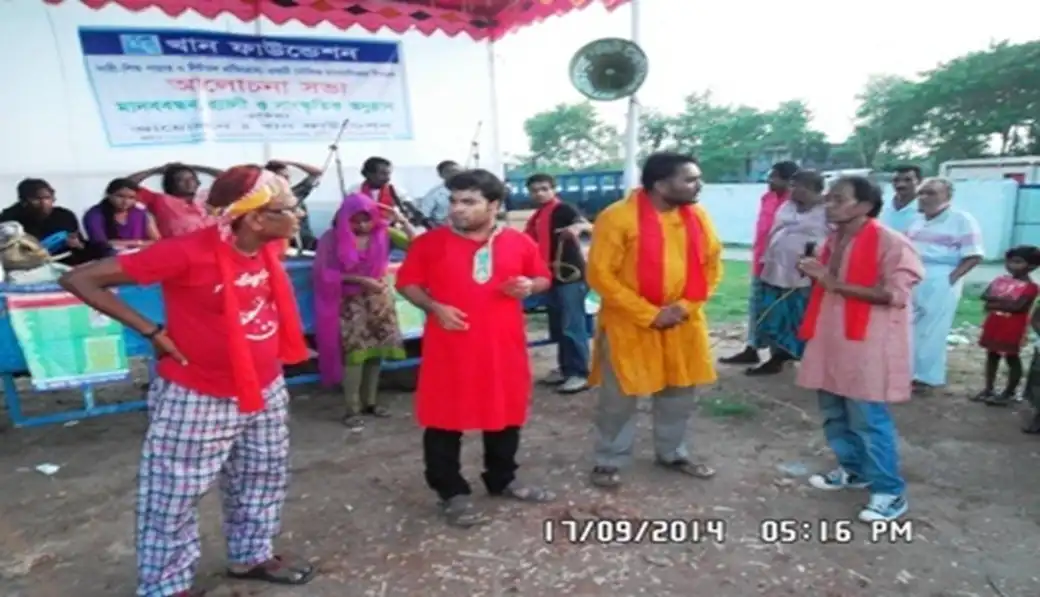
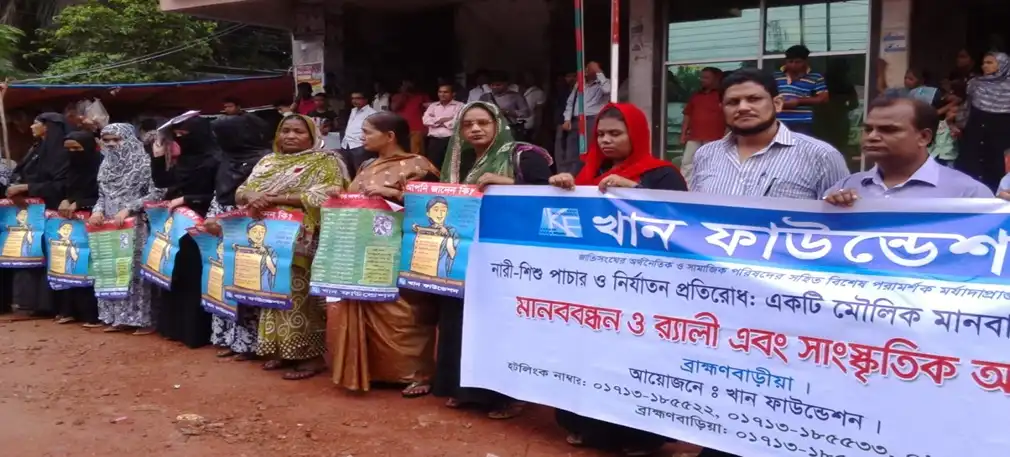
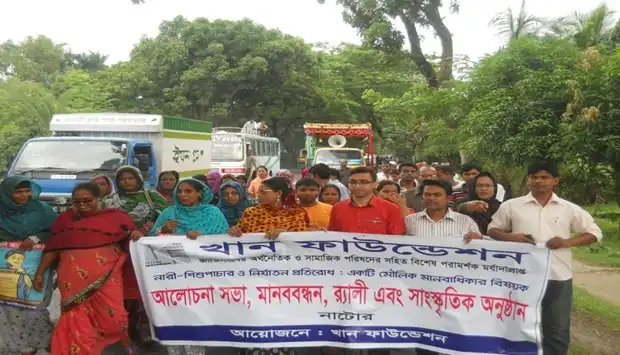
4. Awareness Campaigns
o Rallies and human chains.
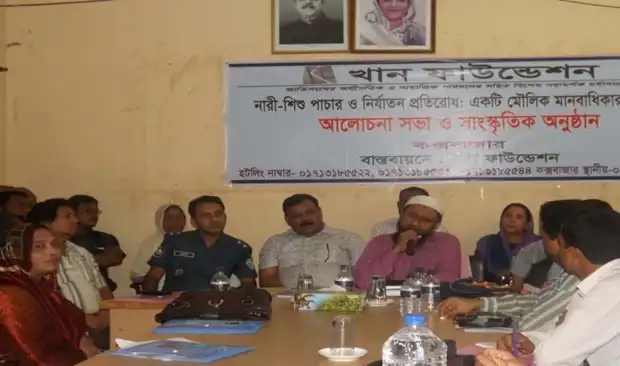
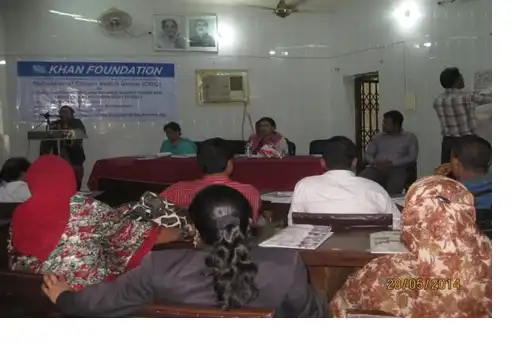
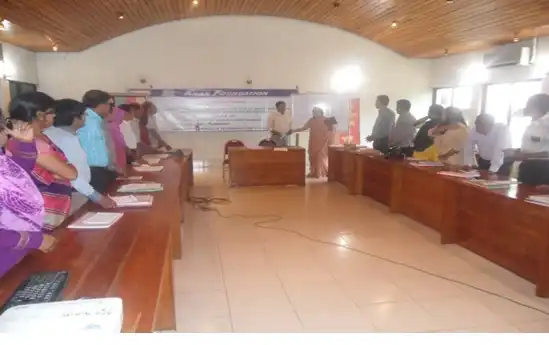
o Community meetings.
o Distribution of posters, leaflets, stickers, and banners.
o Cultural programs and advocacy events.
5. Case Handling and Victim Assistance
o Legal counselling.
o Alternative Dispute Resolution (ADR).
o Referral to crisis centers and support services.
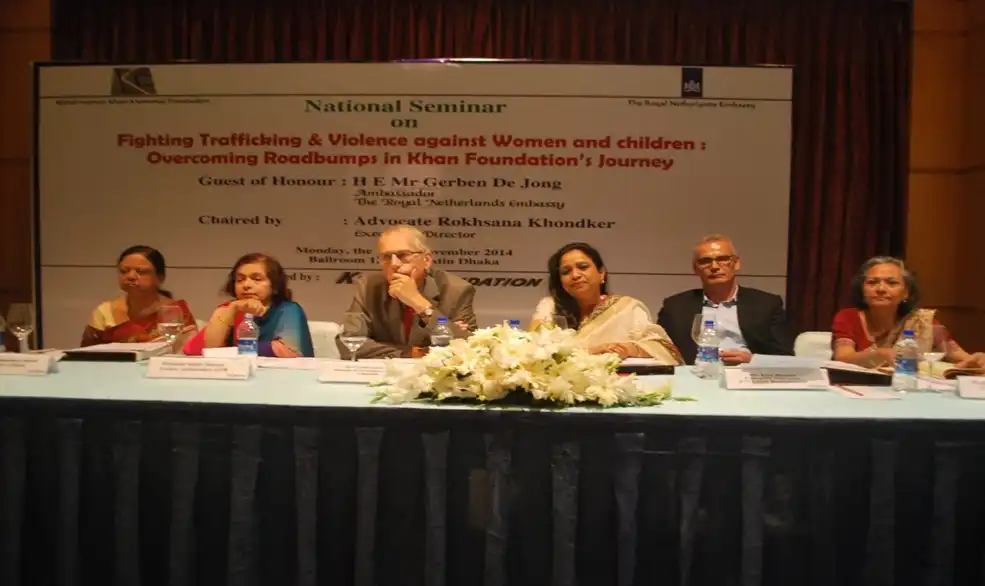
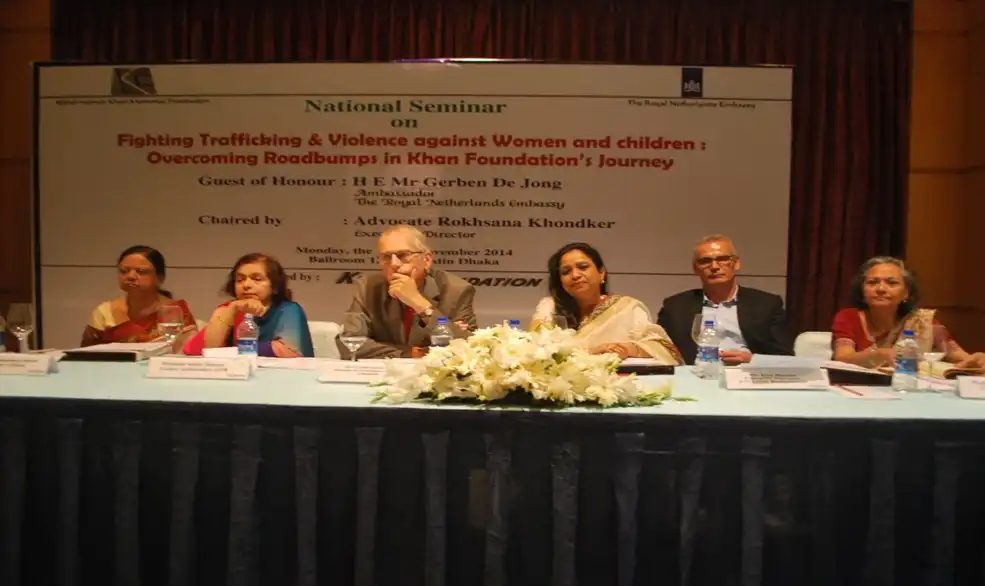
6. National Seminar and Advocacy Events
o Sharing project findings.
o Discussing laws and legal provisions related to trafficking and violence.
The project conducted awareness campaigns, capacity-building activities, mobile hotlink services, victim assistance, and networking activities to combat trafficking and violence.
Supporting victims, survivors, and community defenders
1. Women facing violence, exploitation, and trafficking risks.
2. Children vulnerable to trafficking and abuse.
3. Victims requiring legal, medical, and social support.
4. Community members receiving awareness services.
5. Community Watch Group members.
6. Local government representatives.
7. Law enforcement agencies.
8. Lawyers, NGOs, teachers, journalists, and community leaders.
The project primarily benefited women and children affected or at risk of trafficking and violence, while also engaging communities and local institutions in prevention efforts.