Projects
Loading Project...
Please wait while we load the project details

Please wait while we load the project details
Empowering Women and Communities to Prevent and Respond to Gender-Based Violence
The project aimed to strengthen women’s capacity to prevent and respond to Gender-Based
Violence (GBV) by increasing awareness of legal rights, improving knowledge about different
forms and consequences of violence, and connecting women with available support services. The
project focused on community-based protection mechanisms through Community Watch Groups
(CWGs), Anti-GBV Committees, awareness campaigns, legal aid linkages, and victim support
systems.
Building women’s awareness, capacity, and access to protection services
Increase women’s awareness of legal rights and ensure access to legal aid.
Improve women’s knowledge about types, extent, and consequences of gender-based violence.
Empower women with information about available service providers for GBV response.
The project focused on empowering women and communities to identify, prevent, and respond to GBV through awareness, legal support, information sharing, and community-based mechanisms.
Empowered women, strengthened communities, and improved referral networks
Increased awareness of women’s legal rights and GBV prevention.
Strengthened Community Watch Groups and Anti-GBV Committees.
Improved access to emergency support through hotlink services.
Enhanced referral systems between communities, government services, and NGOs.
Increased community participation in preventing violence.
Built networks among government officials, lawyers, journalists, NGOs, and local representatives.
The project increased awareness among women and communities, strengthened local protection structures, improved access to legal and social support services, and created stronger coordination among stakeholders.
Combining community engagement, legal support, and emergency response
1. Emergency Response Intervention
o 24-hour mobile hotlink support system.
o Complaint registration and victim referral.
2. Community-Based Protection Intervention
o Formation and strengthening of CWGs and Anti-GBV Committees.
o Local monitoring and prevention mechanisms.
3. Awareness and Behavior Change Intervention
o Campaigns, rallies, courtyard meetings, youth sessions, posters, and leaflets.
4. Legal and Institutional Support Intervention
o Linkages with legal aid committees, law enforcement agencies, crisis centers, and service providers.
The project used a rights-based approach combining awareness creation, community monitoring, victim support, legal aid linkage, and institutional coordination.
Strengthening local mechanisms to prevent violence against women and children
1. 24-Hour Mobile Hotlink Service
o Established ICT-based hotlink services in Natore, Meherpur, and Cox’s Bazar.
o Received complaints through phone calls, SMS, and registration systems.
o Provided immediate support through CWG members and Anti-GBV Committees.
2. Community Watch Group (CWG) Formation and Meetings
o Strengthened community-based mechanisms for preventing violence against women.
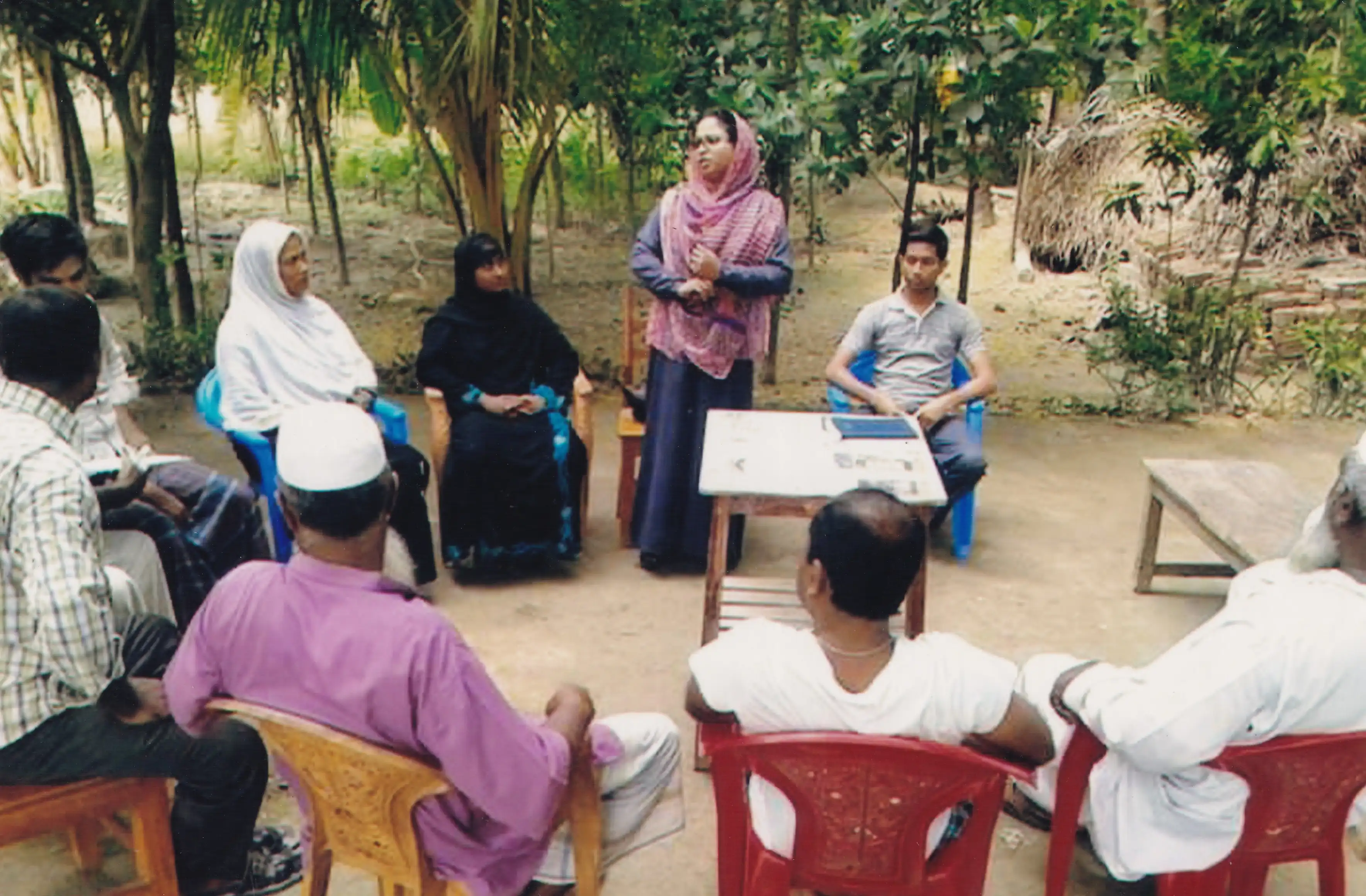
o Conducted Upazila-level meetings with CWG and Anti-GBV Committee members.
3. Awareness Raising Campaigns
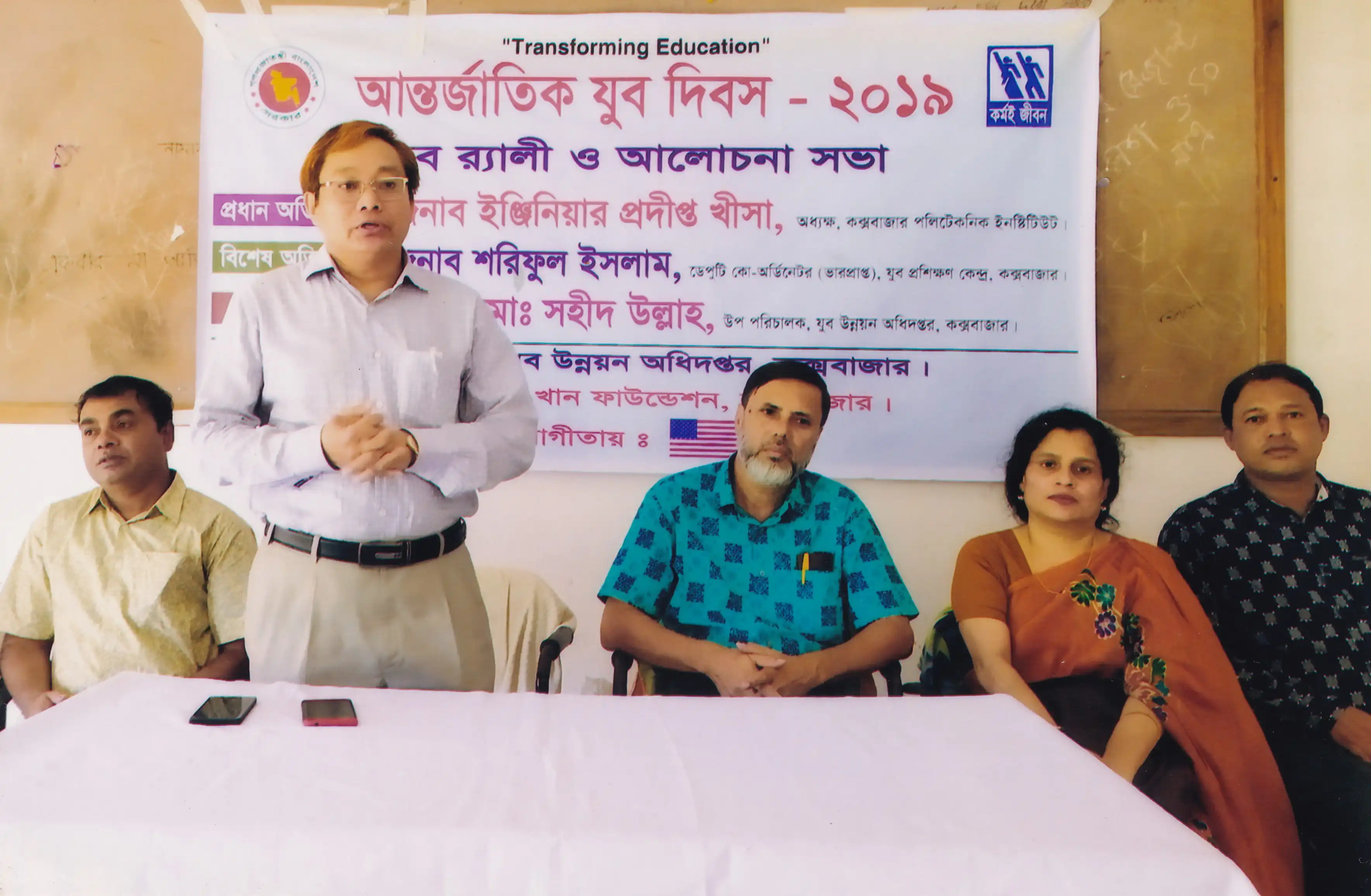
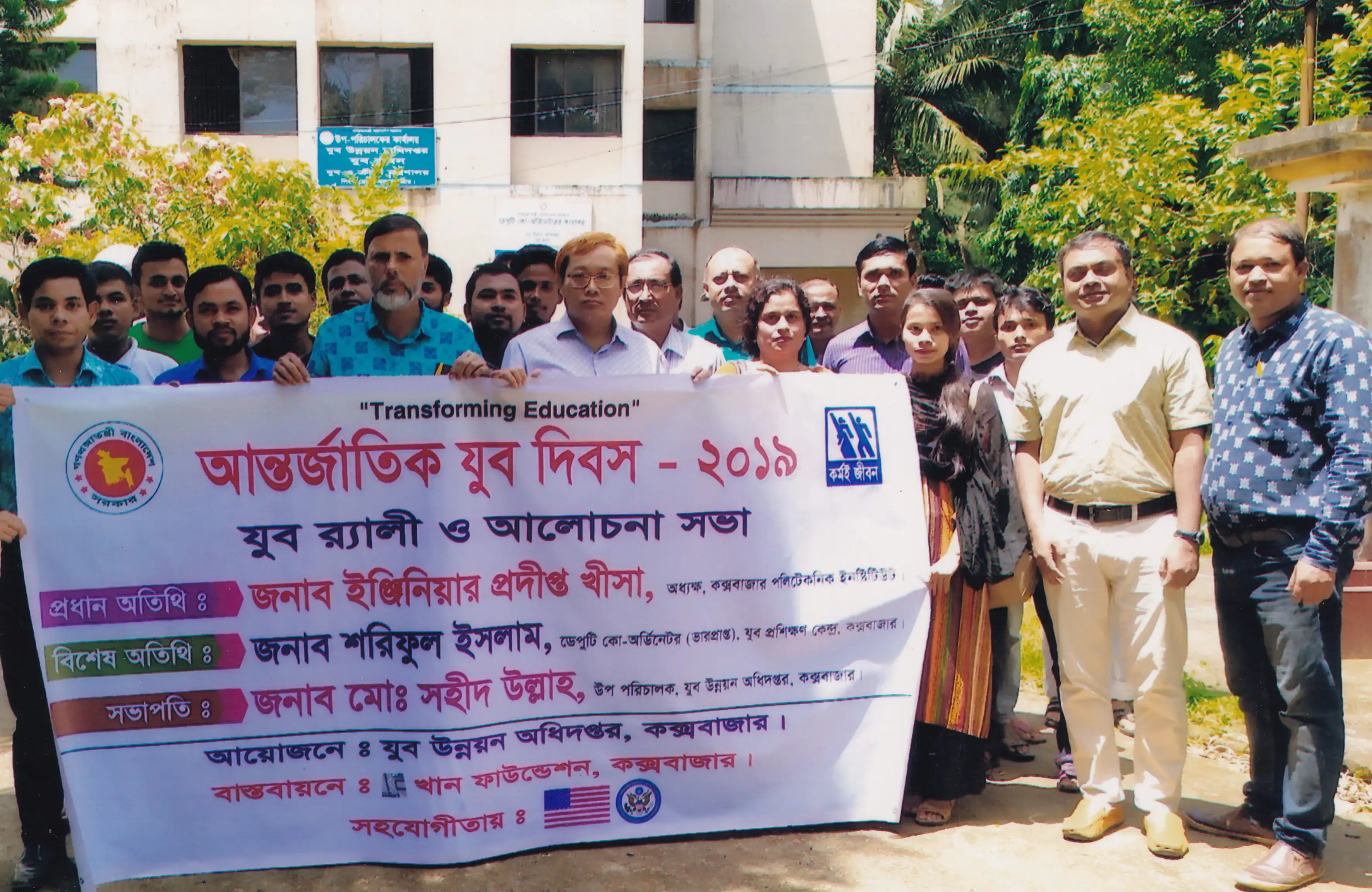
o Organized rallies, human chains, and national/international day observations.
o Engaged government officials, NGOs, teachers, students, journalists, lawyers, and community members.
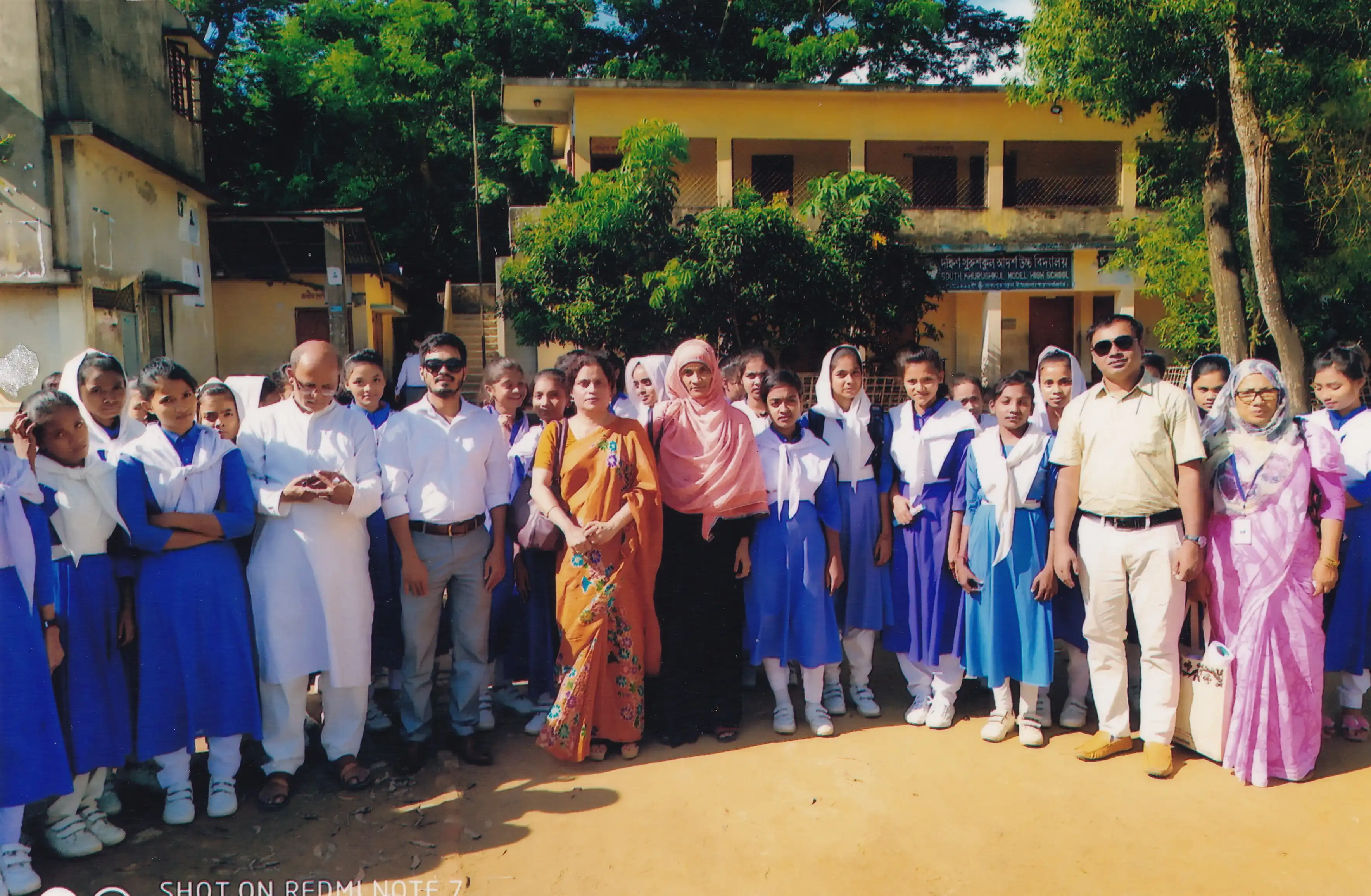
4. Adolescent and Youth Group Activities
o Conducted adolescent group meetings on early marriage, dowry, sexual harassment, health, gender relations, and safe migration.
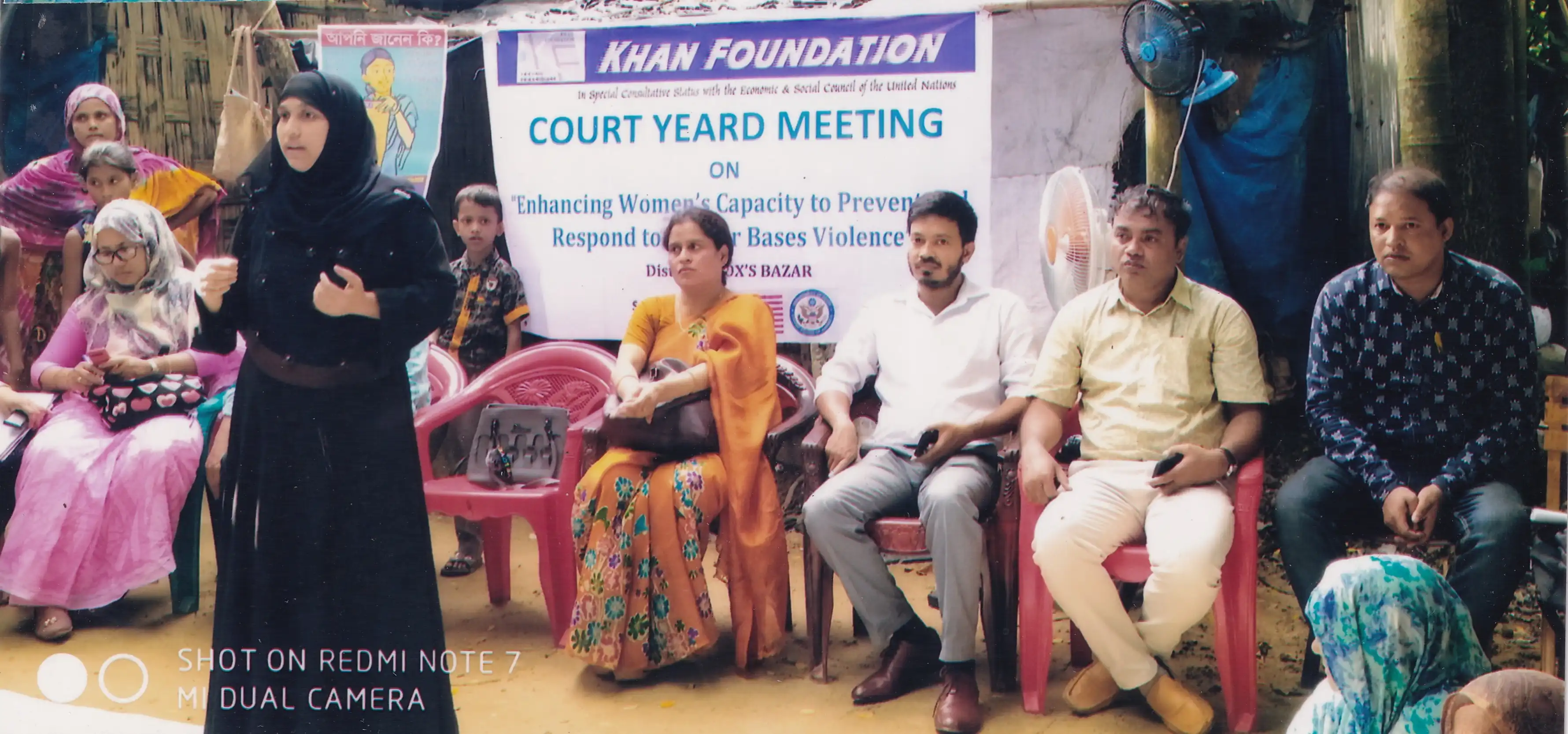
5. Court Yard Meetings
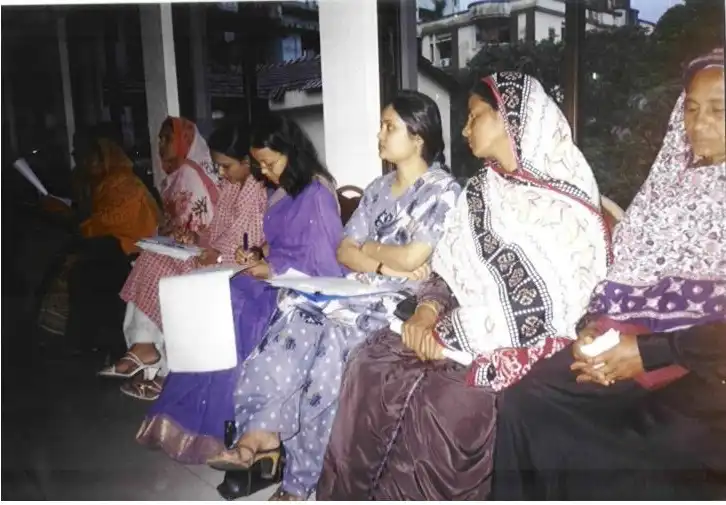
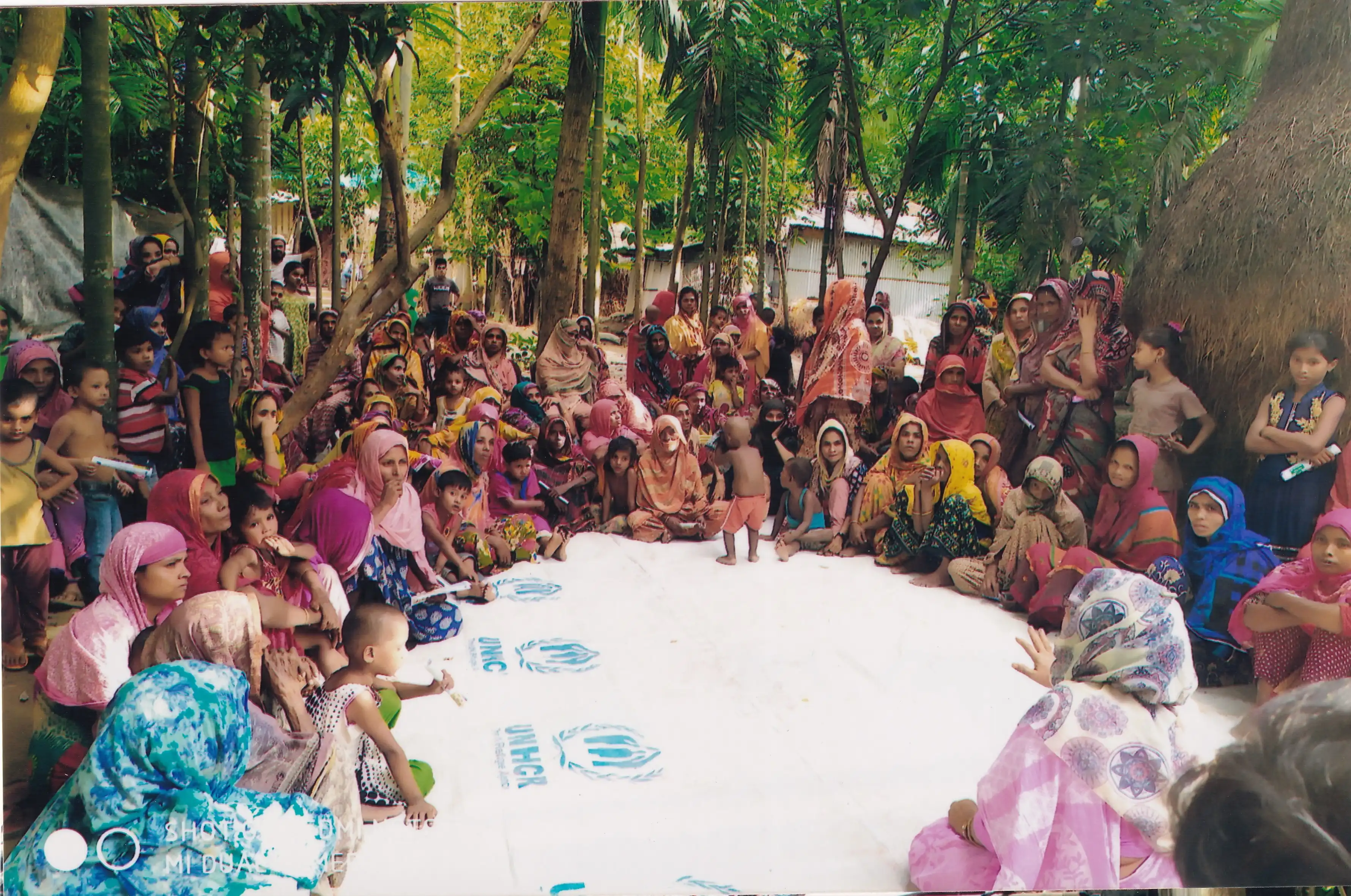
o Conducted community meetings to raise awareness about domestic violence, hotline services, and available support providers.
6. Stakeholder Networking
o Coordinated with shelter homes, One Stop Crisis Centres, Legal Aid Committees, law enforcement agencies, lawyers, and government departments.
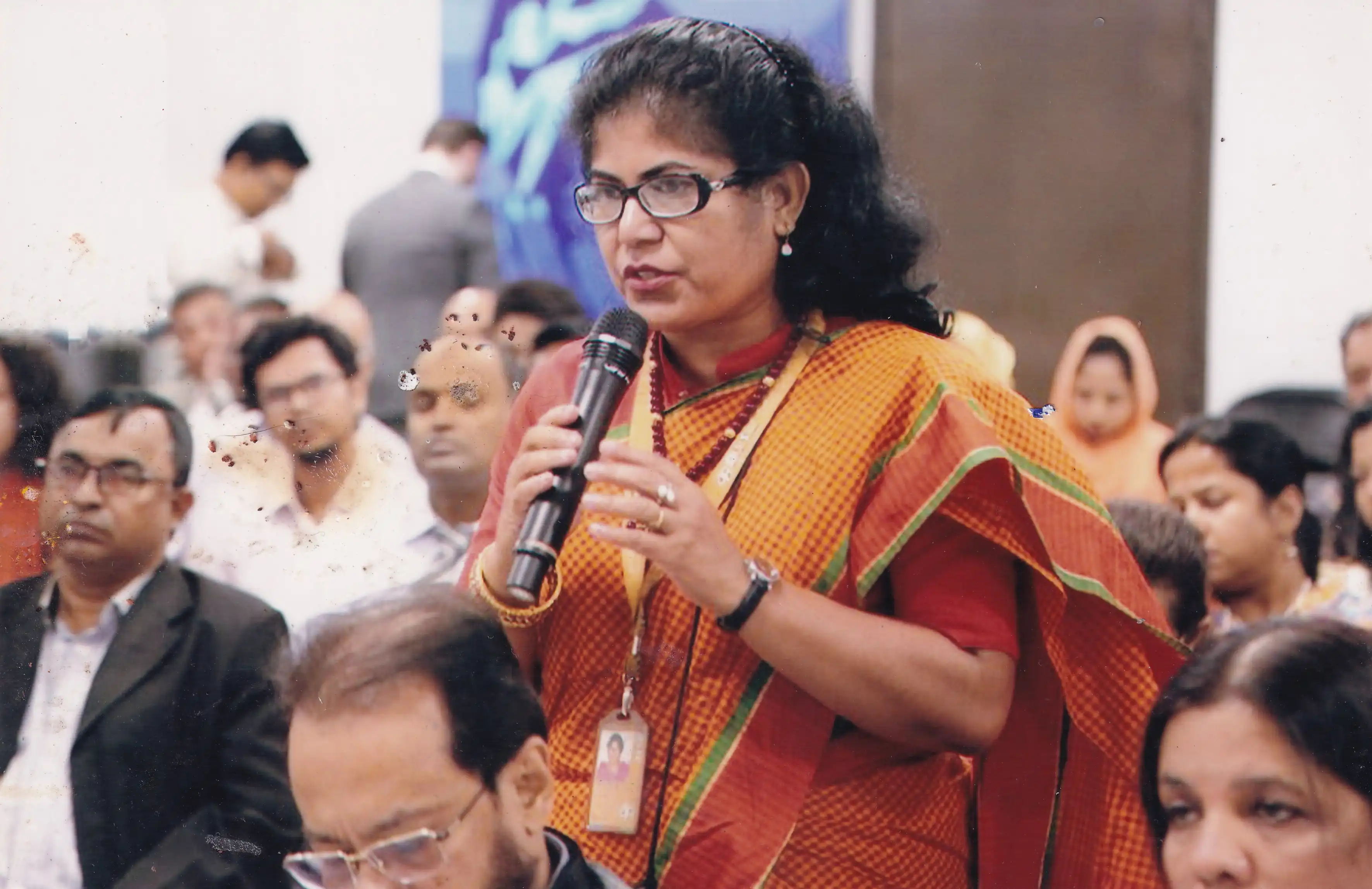
7. National Seminar and Advocacy
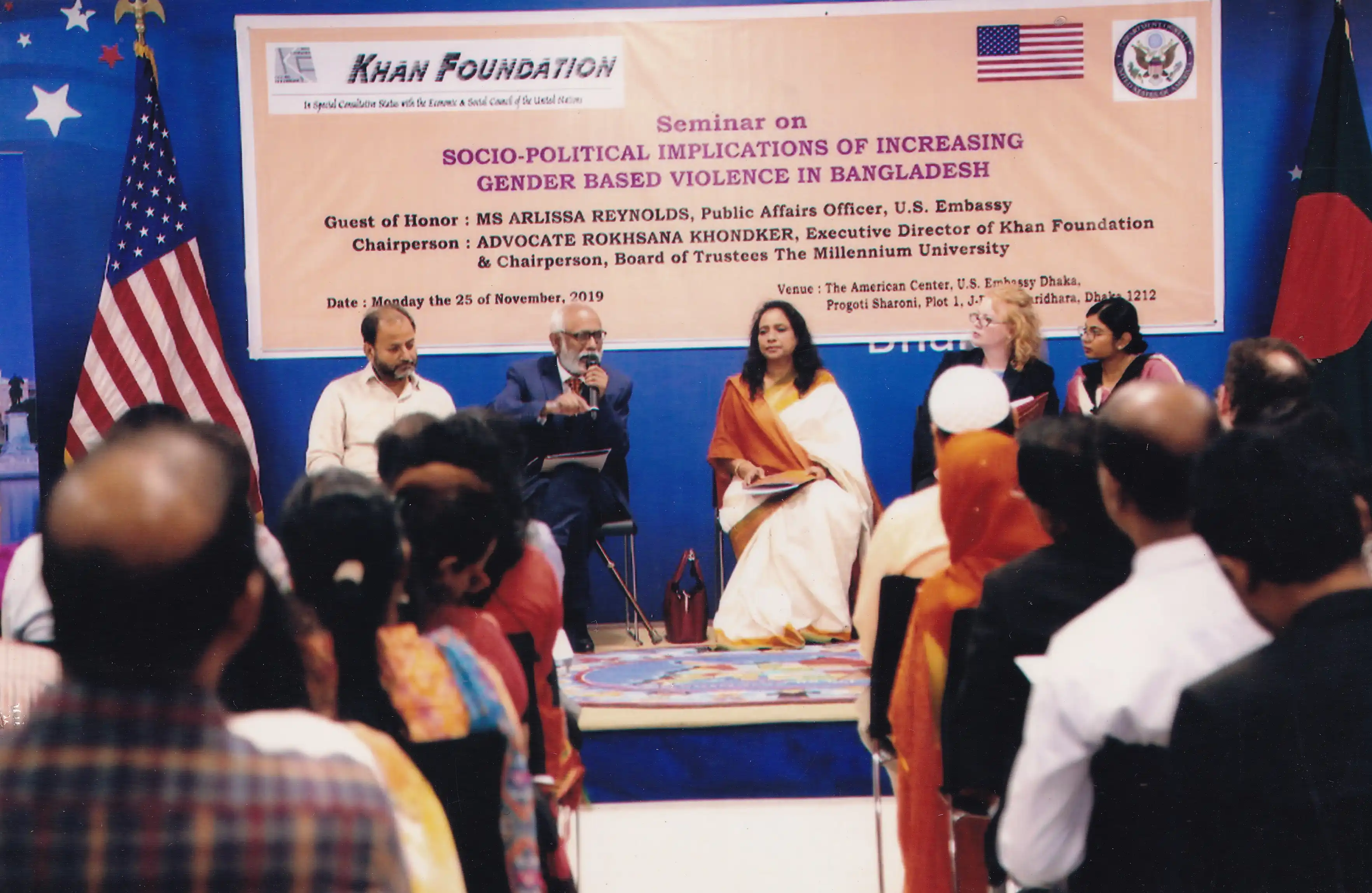
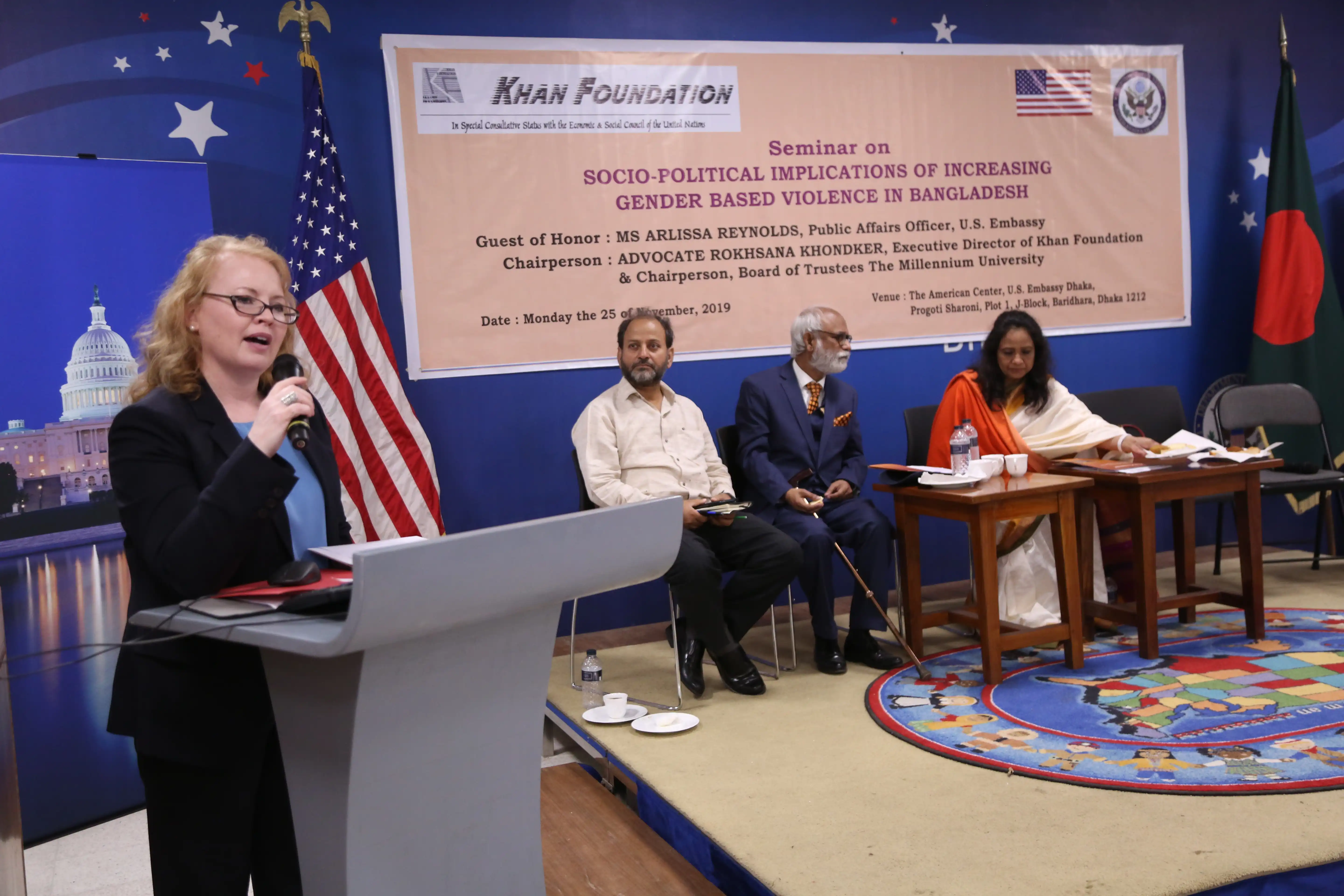
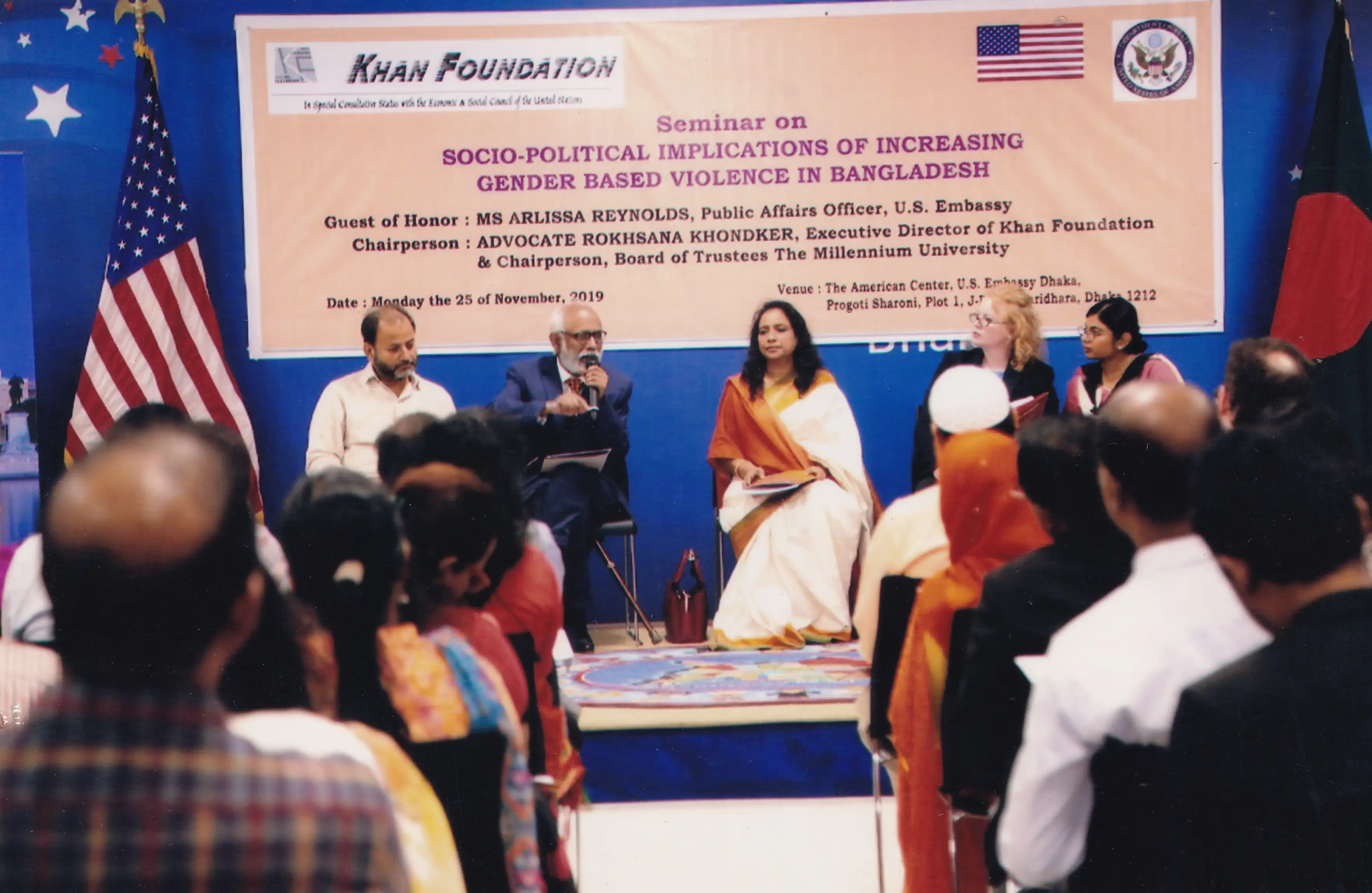
o Organized national-level discussions on the socio-political implications of increasing GBV in Bangladesh.
The project implemented awareness programs, emergency support systems, youth engagement activities, community monitoring, and stakeholder coordination to combat GBV.
Supporting survivors and communities at risk of gender-based violence
Women facing gender-based violence.
Children vulnerable to violence, trafficking, and harmful practices.
Adolescent girls and students.
Community Watch Group members.
Anti-GBV Committee members.
Local community members.
Government representatives.
Lawyers, journalists, teachers, and NGO representatives.
The project benefited women and children vulnerable to GBV, survivors requiring support, adolescent groups, and community members involved in prevention activities.