Projects
Loading Project...
Please wait while we load the project details

Please wait while we load the project details
Promoting Gender Equality and Effective Local Governance through Women’s Participation
The project RETA: 6008 Gender and Good Governance Issues in Local Government was
implemented by Khan Foundation with support from the Asian Development Bank (ADB). The
project focused on strengthening local government institutions by enhancing community
participation, empowering women representatives, promoting accountability, and improving
good governance practices at the grassroots level.
The project emphasized creating competent local government systems that ensure effective
participation of communities through their representatives and contribute to institutionalized
democracy in Bangladesh.
Enhancing women’s participation and accountability in local government
Promote effective participation of communities through local representatives.
Strengthen women’s political empowerment at local government level.
Increase awareness of women representatives regarding their rights and responsibilities.
Improve accountability and transparency of local government institutions.
Encourage gender-sensitive decision-making processes.
Support democratic governance practices at grassroots level.
The project aimed to create competent and accountable local government systems by increasing the participation of women representatives, improving governance practices, and promoting democratic participation at grassroots levels.
Empowered women representatives contributing to local development
Increased awareness of women representatives regarding their roles and responsibilities.
Improved recognition of women’s contribution to grassroots development.
Strengthened dialogue between women representatives, government officials, NGOs, and communities.
Identified policy gaps affecting women’s participation in local government.
Promoted recommendations for equal participation of women and men in governance.
Encouraged inclusion of women in development committees and decision-making processes.
The project contributed to increasing awareness among women representatives, identifying barriers to their participation, and developing recommendations for stronger involvement of women in local government activities.
Building capacity and creating enabling environments for women’s participation
Advocacy for improved women’s representation in local governance.
Capacity-building support for women representatives.
Development of women representatives’ forums.
Networking among women leaders, NGOs, and legal support networks.
Promotion of gender-responsive policies.
Recommendations for revising local government regulations.
Encouraging women’s involvement in development projects and decision-making.
Promoting training on gender equality and governance.
The intervention focused on strengthening women’s political participation through awareness, advocacy, networking, policy recommendations, and institutional engagement.
Creating platforms for women representatives and governance stakeholders
Field visits to observe training programs.
Policy-level advocacy workshops.
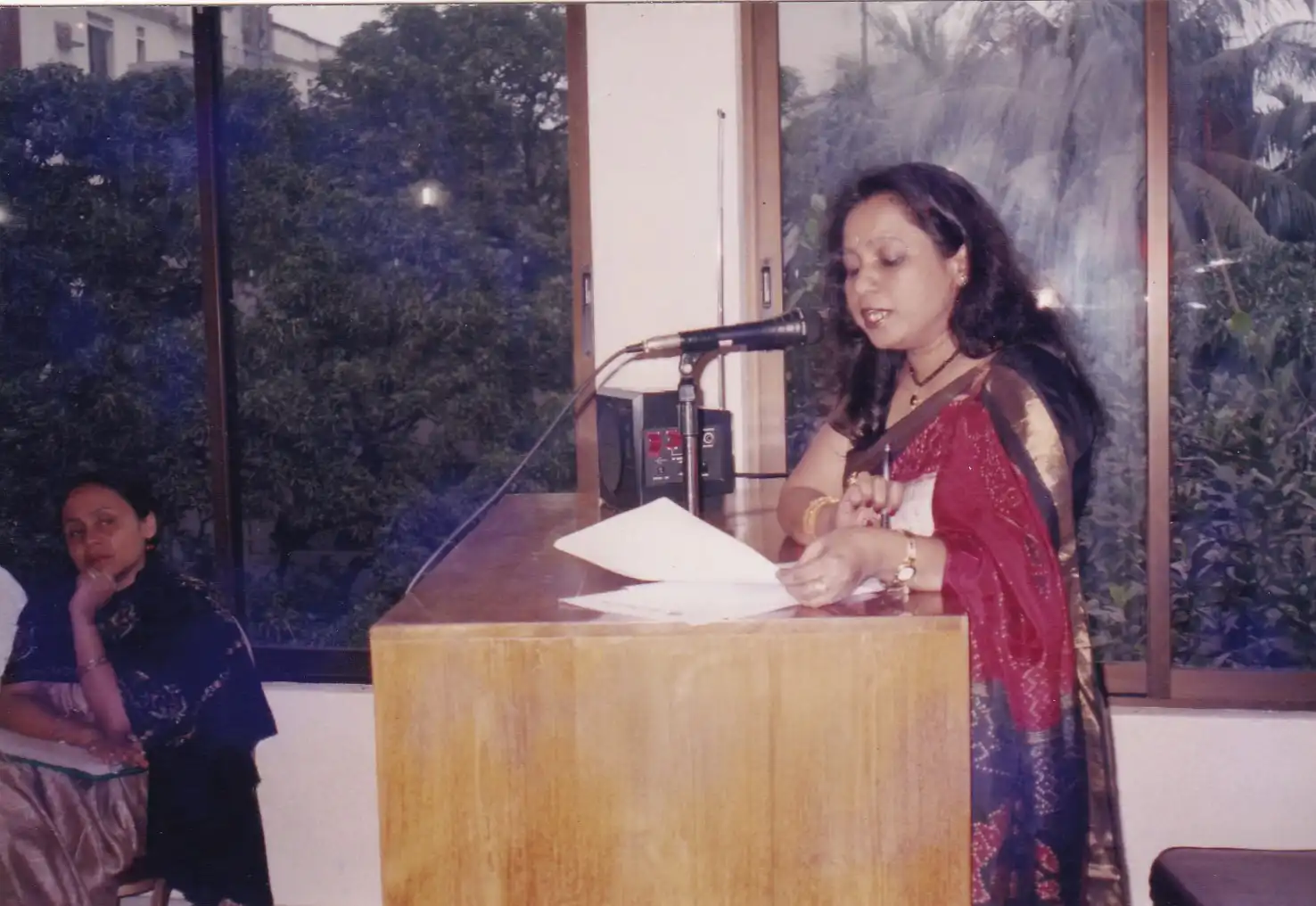
Workshops to raise voices of women representatives.
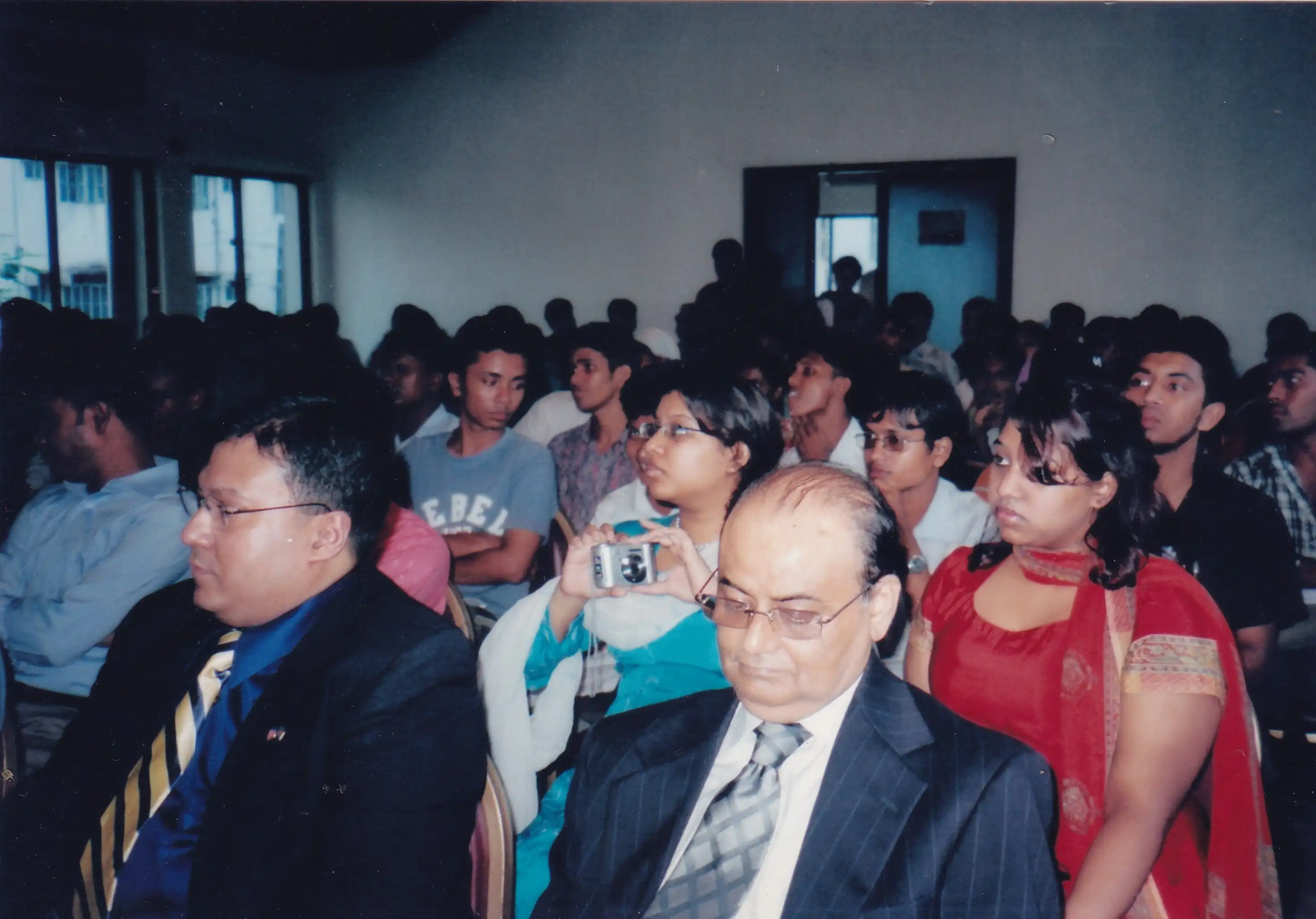
Round table meetings with stakeholders.
Review of local government acts and policies.
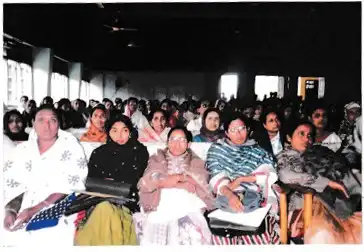
Discussions with elected women representatives, government officials, NGOs, lawyers, journalists, and civil society members.
Awareness creation on women’s rights and responsibilities.
Recommendations for improving women’s participation in local development activities.
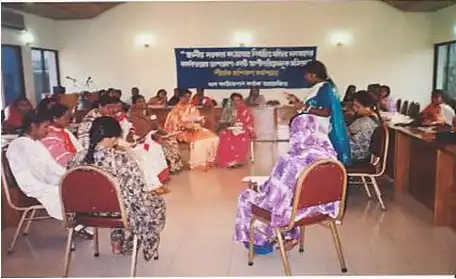
The project conducted workshops, round table meetings, field observations, and advocacy activities to identify challenges faced by women representatives and promote reforms in local governance systems.
Supporting grassroots women leaders and inclusive governance
Elected women members of Union Parishads.
Local government representatives.
Rural women communities.
Community members.
Local government officials.
Civil society organizations.
NGOs working on governance and women empowerment.
The primary beneficiaries were elected women representatives of Union Parishads and local communities who benefited from awareness, advocacy, and capacity-building initiatives.