Projects
Loading Project...
Please wait while we load the project details

Please wait while we load the project details
Promoting Gender Equality, Women's Political Empowerment and Inclusive Decision-Making
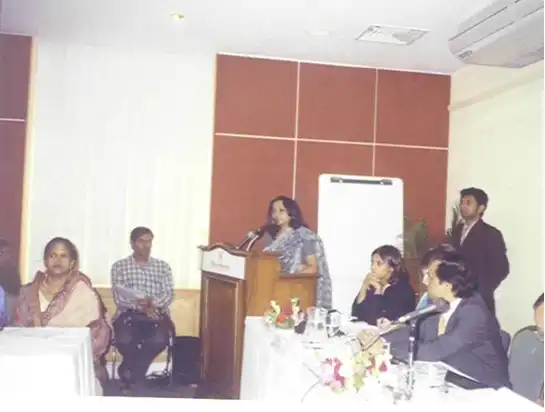
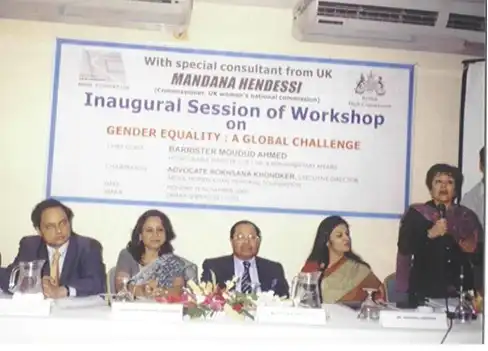
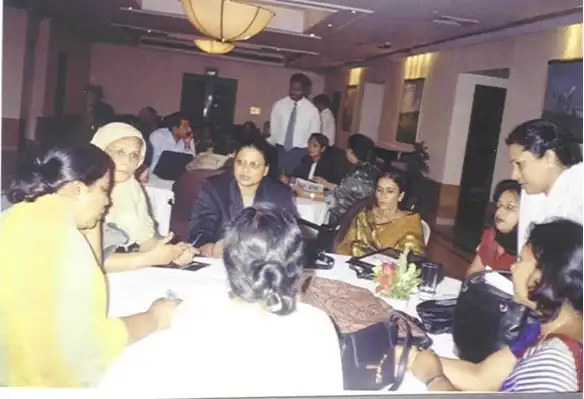
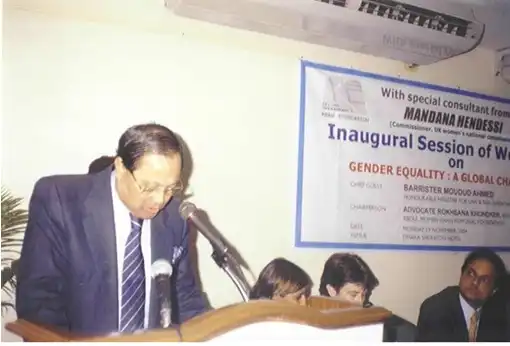
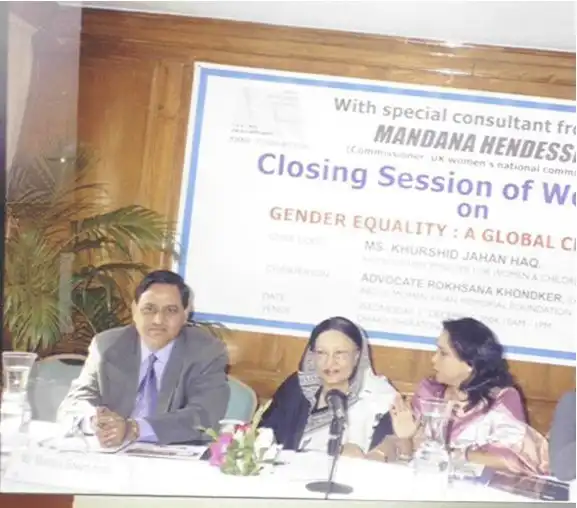
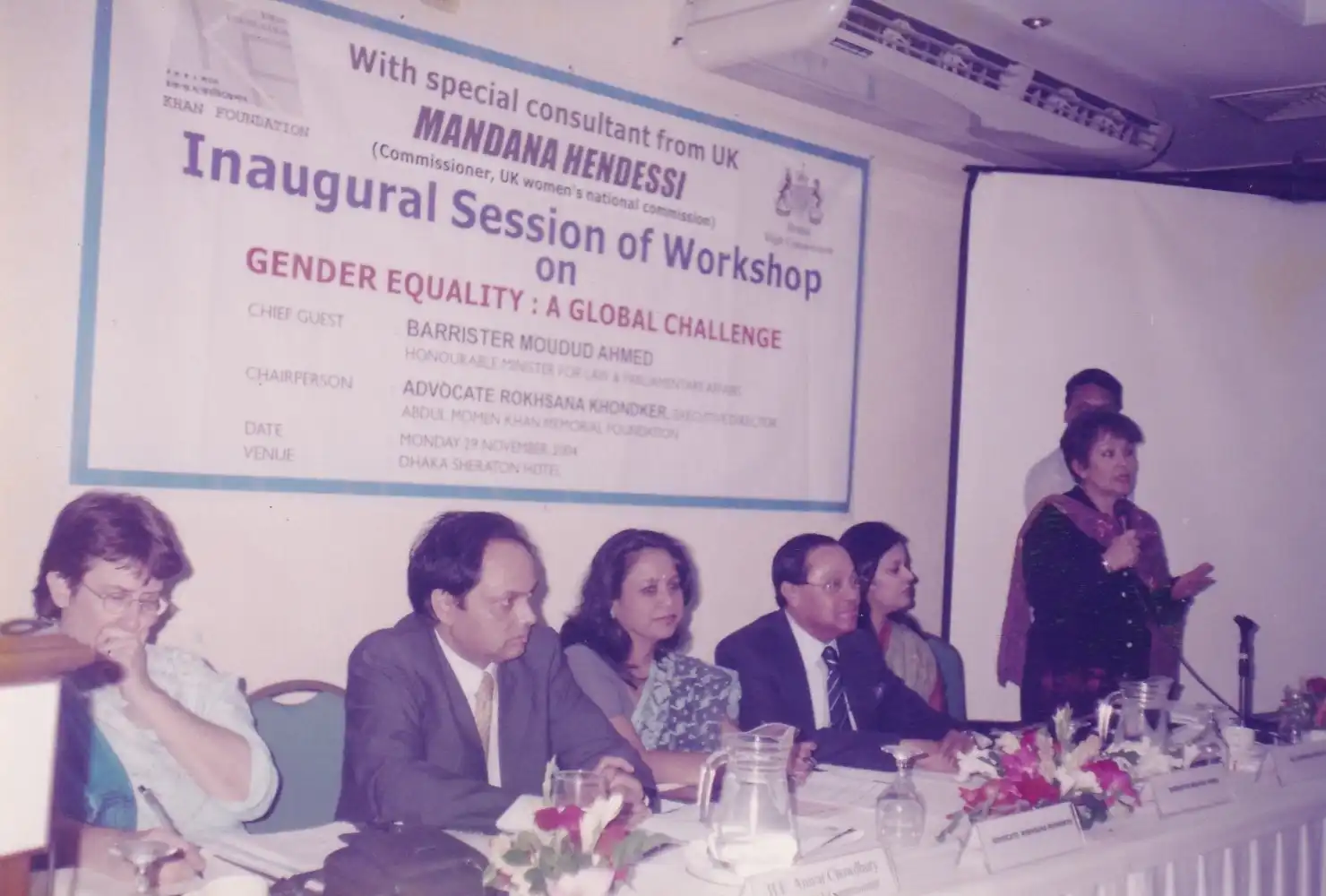
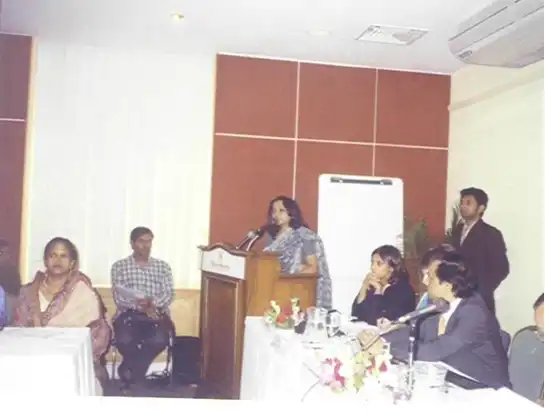
The three-day workshop on “Gender Equality: A Global Challenge” was organized by the
Khan Foundation in partnership with the British High Commission to promote gender equality
and strengthen women’s political empowerment in Bangladesh. The workshop focused on
women’s participation in decision-making, political empowerment, violence against women,
international frameworks for women’s rights, and the proposed establishment of a National
Commission for Women. It sought to strengthen partnerships among women’s organizations,
enhance knowledge and awareness, and develop realistic and sustainable strategies for advancing
women’s rights and participation in national and international social policy.
Strengthening Women's Participation, Representation and Influence in Decision-Making
Strengthen partnerships between women’s organizations in Bangladesh and the UK.
Promote mutual support, joint learning and collaboration on shared goals.
Enhance knowledge and awareness of women’s political empowerment.
Promote women’s greater participation in national social policy.
Increase awareness of models for a national umbrella organization representing women’s interests.
Promote effective use of international forums and instruments for women’s rights.
Develop a realistic, viable and sustainable strategy for women’s political empowerment.
Explore the formation of a National Commission for Women.
The workshop aimed to increase awareness and understanding of women’s political empowerment, strengthen partnerships among women’s organizations in Bangladesh and the UK, promote women’s participation in national social policy, increase awareness of international forums and instruments, and develop a realistic and sustainable strategy for advancing women’s political empowerment.
Strengthening Women's Voice, Representation and Institutional Participation
Increased awareness of women’s political empowerment and gender equality.
Greater understanding of women’s participation in decision-making.
Increased awareness of international mechanisms protecting women’s rights.
Identification of barriers to women’s political and social participation.
Development of recommendations to strengthen women’s political representation.
Greater understanding of strategies beyond reserved seats for advancing women’s political empowerment.
Collective proposals for establishing a National Commission for Women.
Agreement on the need for an independent and politically neutral commission.
Proposal for a nationwide network representing women’s interests.
Strengthened dialogue among women’s organizations, civil society, government and other stakeholders.
Recommendations for addressing violence, discrimination and other barriers affecting women.
The workshop enhanced participants’ understanding of gender equality, political empowerment, women’s rights and violence against women. It generated collective recommendations for strengthening women’s participation in decision-making and proposed an independent, inclusive and politically neutral National Commission for Women to represent women’s interests and connect civil society with government.
Capacity Building, Policy Dialogue and Institutional Advocacy for Women's Rights
Political empowerment and leadership development.
Capacity building for women leaders and elected representatives.
Awareness raising on gender equality and women’s rights.
Promotion of women’s participation in decision-making.
Advocacy for greater political representation of women.
Policy dialogue with parliamentarians, government representatives, academics and civil society.
Awareness of CEDAW, the Beijing Platform for Action and other international instruments.
Discussion on violence against women and legal protection.
Promotion of education and employment opportunities for women.
Development of strategies for women’s political empowerment.
Proposal for an independent National Commission for Women.
Strengthening links between government and civil society on women’s issues.
The intervention combined participatory training, expert presentations, policy dialogue, group work and institutional advocacy to address the political, social and legal barriers affecting women. Particular emphasis was placed on building women’s capacity to participate in decision- making, strengthening political representation and developing an institutional mechanism through a proposed National Commission for Women.
Building Knowledge, Awareness and Collective Action for Gender Equality
Training on gender equality and women’s rights.
Sessions on women’s political empowerment.
Discussions on women’s participation in decision-making.
Sessions on violence against women from global and Bangladesh perspectives.
Presentations on international conventions and instruments, including CEDAW and the Beijing Platform for Action.
Discussion on women’s representation in parliament and decision-making institutions.
Exploration of different approaches to women’s political representation, including reserved seats and quotas.
Discussions on the proposed National Commission for Women.
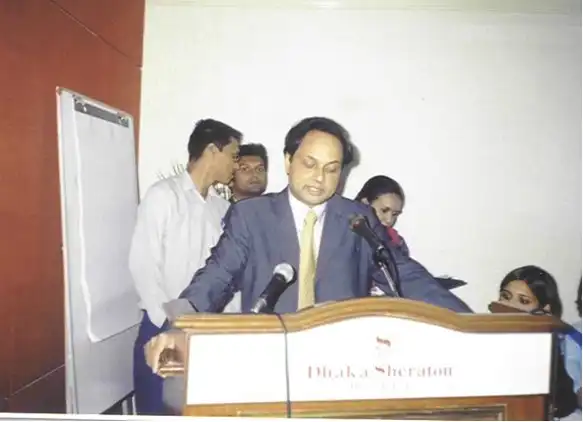
Presentations by national and international experts.
Panel discussions and open discussions.
Question-and-answer sessions.
Group work to develop proposals for the National Commission for Women.
Development of recommendations and a strategic approach for promoting gender equality.
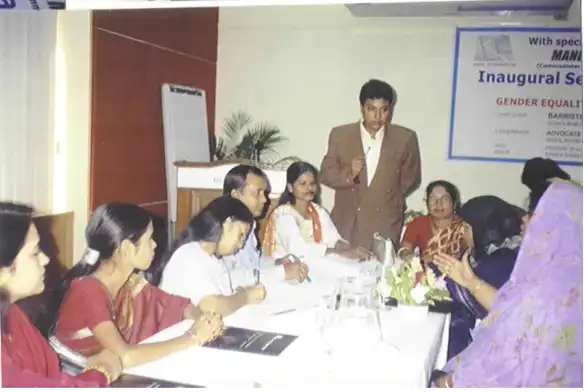
The workshop used training, presentations, group discussions, question-and-answer sessions and participatory exercises to address gender equality, political empowerment, violence against women and institutional mechanisms for advancing women’s rights. Participants also worked collectively on proposals for establishing a National Commission for Women.
Strengthening Women’s Capacity to Participate in Political and Social Decision-Making
Local-level elected women representatives.
Women members and chairpersons of local government.
Women political leaders.
Women’s organizations and advocates.
Civil society organizations working on women’s rights.
Women seeking greater participation in political and decision-making processes.
Women and communities who would benefit from stronger representation and gender- responsive governance.
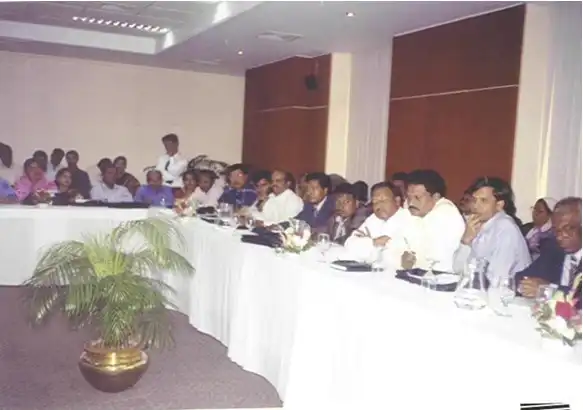
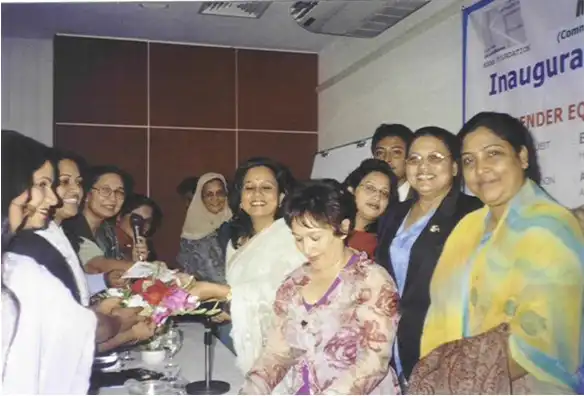
The primary beneficiaries were women leaders and local-level elected representatives, including chairmen and members, who participated in the workshop to strengthen their understanding of gender equality, political empowerment, decision-making and women’s rights. The broader target group included women’s organizations, civil society actors and others working to advance women’s interests.