
Projects
Loading Project...
Please wait while we load the project details

Please wait while we load the project details
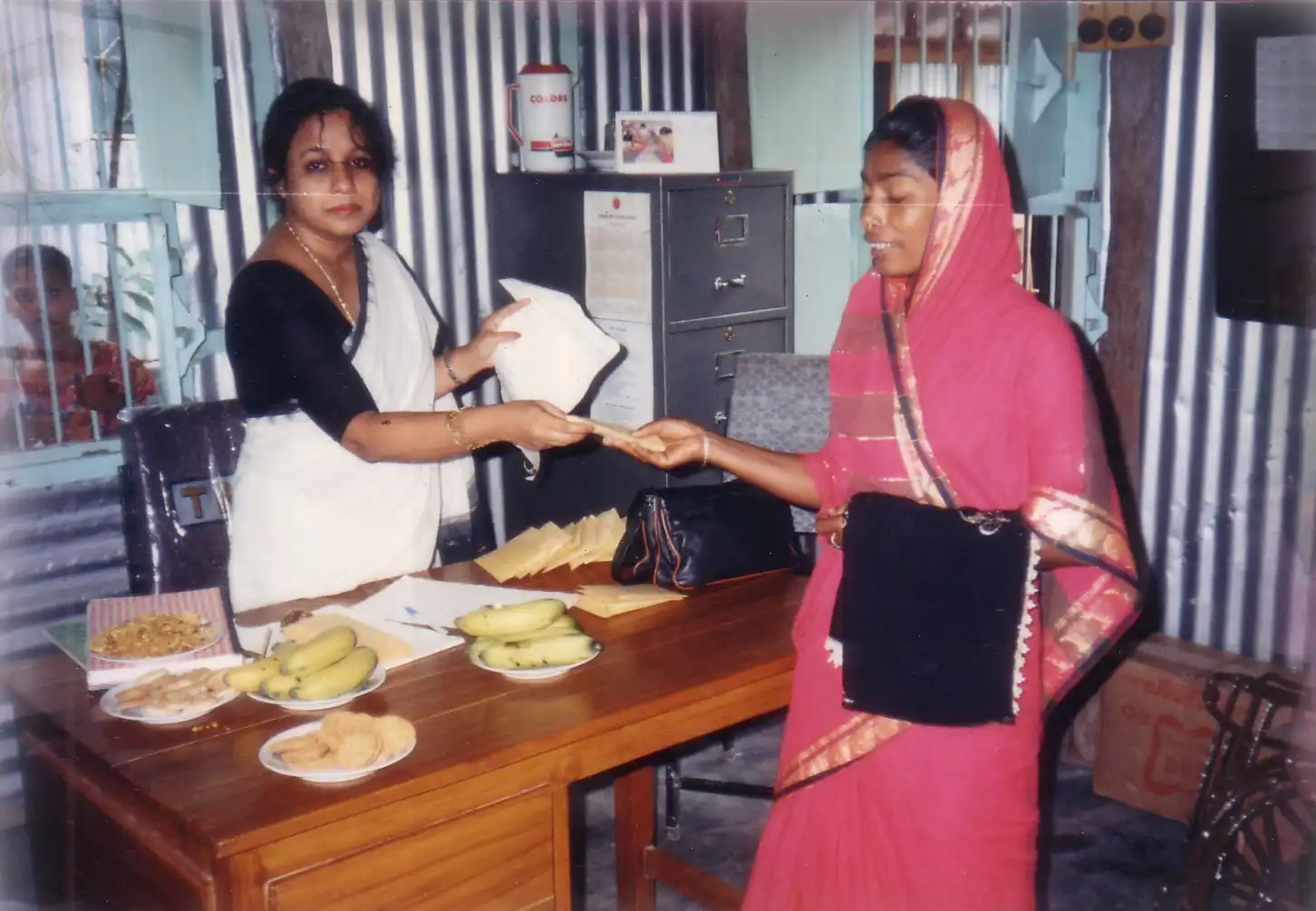
Improving Reproductive Health Rights and Healthcare Access for Disadvantaged Adolescent Girls
The Gender Equality & Access to Health Services Project was implemented by Khan Foundation
to improve the sexual, reproductive, mental, and physical health conditions of disadvantaged
groups, especially urban adolescent girls living in slums, street children, child domestic workers,
and garment workers.
The project established Reproductive Health Education Centers (RHEC) in slum areas of
Dhaka and operated a mobile center for street children and child domestic workers to provide
confidential counseling, education, and medical services.
Providing health education, counseling, and services to vulnerable adolescents
Provide mental and physical health services to disadvantaged groups including:
o Street children
o Slum children
o Child domestic workers
o Garment workers
Provide education and information on sexual and reproductive health issues.
Provide counseling and guidance to adolescents.
Raise awareness on gender equality and reproductive health rights.
Create awareness on preventing child trafficking.
Increase awareness about children’s rights.
Promote community ownership and sustainability of healthcare services.
The project aimed to provide healthcare support, reproductive health education, counseling, and awareness programs for disadvantaged children and adolescents while promoting gender equity and reproductive rights.
Empowering vulnerable adolescents through education, counseling, and healthcare
Trained approximately 384 urban adolescents through education courses.
Conducted 16 education courses through four centers during the project period.
Beneficiaries became more confident in discussing personal problems with parents and others.
Increased awareness about:
o STDs
o HIV/AIDS
o Early marriage impacts
o Birth and marriage registration
o Reproductive health rights
Increased awareness about seeking medical consultation when needed.
Advocacy workshop generated recommendations for improving reproductive health services and HIV/AIDS prevention.
The project improved knowledge of reproductive health, rights, HIV/AIDS prevention, and healthcare access among disadvantaged urban adolescents.
Combining healthcare delivery, education, counseling, and advocacy
1. Reproductive Health Education
o Delivered structured courses on sexual and reproductive health.
2. Counseling Support
o Provided confidential guidance for adolescents facing social and health challenges.
3. Medical Assistance
o Provided healthcare services and medicines to disadvantaged groups.
4. Gender Awareness
o Promoted gender equity and reproductive health rights.
5. HIV/AIDS Prevention
o Increased awareness about STDs and HIV/AIDS prevention.
6. Advocacy and Policy Dialogue
o Conducted stakeholder workshops involving policymakers and civil society.
The intervention addressed reproductive health challenges through education centers, mobile healthcare services, medical assistance, counseling, and policy advocacy.
Providing reproductive health services through education centers and mobile outreach
1. Reproductive Health Education Course
• Conducted three-month education and counseling courses.
• Provided education on:
o Human rights
o Women and children’s rights
o Legal marriage age
o Birth registration
o STDs and HIV/AIDS
o Violence against girls
o Reproductive health
o Family planning
o Nutrition
o Counseling
2. Counseling Services
• Provided confidential counseling sessions after training.
• Counseling duration was 30 minutes after each training session.
3. Medical Services
• Provided medical facilities and distributed medicines.
• Medical officers provided treatment and counseling to beneficiaries.
4. Advocacy Workshop
• Organized advocacy workshop on “Gender Equality: Access to Health Services” on 13 January 2003.
• Engaged government officials, NGOs, lawyers, journalists, academicians, industrialists, diplomatic missions, and civil society members.
The project implemented two major activities: a three-month education course with counseling and health services, and advocacy workshops on gender equality and access to health services.
Supporting marginalized groups with healthcare and rights-based services
Primary Beneficiaries:
• Urban adolescent girls.
• Street children.
• Slum children.
• Child domestic workers.
• Garment industry girl workers.
Secondary Beneficiaries:
• Parents of children.
• Employers of domestic workers.
• Slum communities.
The project targeted vulnerable adolescents and children who lacked access to healthcare information, counseling, and reproductive health services.