
Projects
Loading Project...
Please wait while we load the project details

Please wait while we load the project details
Promoting Gender Equality Through Legal Awareness, Justice Access, and Stakeholder Sensitization
The project “Gender Equality and Access to Law: A Basic Human Right” was implemented by
Khan Foundation to create awareness and sensitize stakeholders about gender equality, women’s
rights, and access to justice. The project focused on strengthening the legal system by engaging
judges, lawyers, government officials, NGO representatives, women leaders, and community
stakeholders.
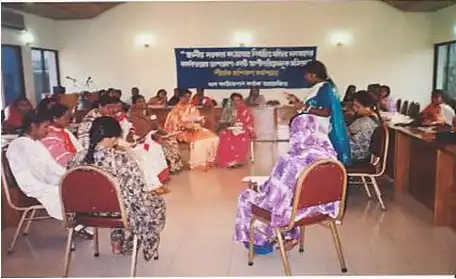
The project organized workshops on gender equality, violence against women, women’s
participation in local government, women’s political empowerment, child rights, trafficking, and
legal challenges faced by women.
Creating legal awareness and improving protection mechanisms for women and children
Increase awareness among stakeholders regarding gender equality and women’s rights.
Sensitize judges about gender-based violence and legal protection of women.
Promote effective access to law for women victims of violence.
Strengthen women’s participation in local government structures.
Promote awareness against trafficking and violence against women and children.
The project aimed to sensitize stakeholders, especially judges and legal professionals, on gender equality issues and develop a process for ensuring women’s rights through fair legal practices and improved access to justice.
Improving stakeholder capacity to protect women’s and children’s rights
Judges became more aware of gender-sensitive approaches in handling cases involving women victims.
Increased discussion on procedural barriers affecting women’s access to justice.
Strengthened communication between women lawyers and elected women representatives.
Improved awareness among stakeholders about violence, trafficking, and women’s rights issues.
Generated recommendations for legal reform and better protection mechanisms.
The project increased understanding among judges, lawyers, women leaders, and community stakeholders regarding gender equality, legal protection, and barriers preventing women from accessing justice.
Building awareness, advocacy, and institutional capacity for women’s rights
1. Legal Awareness Training
o Educated judges, lawyers, and community leaders on gender equality.
2. Justice System Sensitization
o Promoted gender-sensitive approaches among judges and legal professionals.
3. Women Empowerment
o Supported women leaders’ participation in local government and decision-making.
4. Child Protection Advocacy
o Addressed issues related to girls in conflict with law and child protection.
5. Anti-Trafficking Awareness
o Promoted awareness and recommendations to prevent trafficking.
The project used workshops, legal discussions, stakeholder engagement, and advocacy activities to address barriers preventing women and children from accessing justice.
Training judges, lawyers, and community leaders on gender-sensitive justice
1. Judges Workshop
o Conducted a two-day workshop on gender equality and violence against women.
o Discussed procedural barriers to justice and judicial responsibility.
2. Workshop on Girl Child in Conflict with Law
o Raised awareness about protection of girls facing legal challenges.
o Developed recommendations for child-friendly justice systems.
3. Women in Local Government Structure Workshop
o Strengthened women representatives’ awareness, leadership skills, and connection with women lawyers.
4. Women and Politics Workshop
o Encouraged women’s participation in political processes.
5. Women and Children Repression Workshop
o Discussed prevention of violence and improvement of legal implementation.
6. Women Lawyers Network Workshop
o Promoted interaction and knowledge exchange among women lawyers.
7. Women and Children Trafficking Workshop
o Created awareness among stakeholders to prevent trafficking and violence.
The project conducted multiple workshops and seminars involving judges, lawyers, NGO representatives, women leaders, journalists, government officials, and civil society members to discuss gender equality and legal challenges.
Supporting vulnerable groups through legal empowerment and awareness
Direct Beneficiaries:
• Judges.
• Lawyers.
• Women lawyers.
• Women Union Parishad members.
• NGO representatives.
• Government officials.
• Journalists.
• Human rights activists.
Indirect Beneficiaries:
• Women facing violence and discrimination.
• Girl children vulnerable to abuse and exploitation.
• Rural communities.
The project benefited women, children, legal professionals, local government representatives, and community stakeholders by improving knowledge and capacity related to gender equality and legal rights.