Projects
Loading Project...
Please wait while we load the project details

Please wait while we load the project details
Building Gender Awareness and Empowering Coastal Fishing Communities for Sustainable Livelihood Development
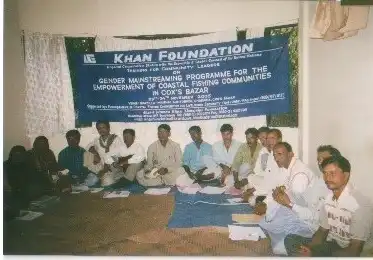
The project focused on gender mainstreaming and empowerment of coastal fishing communities
in Cox’s Bazar through community leader training, gender awareness activities, and capacity
development. Khan Foundation implemented the training activities under the FAO-supported
Empowerment of Coastal Fishing Communities for Livelihood Security Project
(BGD/97/017).
The initiative aimed to increase understanding of gender equality, remove gender-based
inequalities, and ensure greater participation of women in development activities within coastal
fishing communities.
Increasing awareness and participation of coastal fishing communities in gender and development issues
Develop understanding of different forms of gender inequality.
Increase awareness about gender issues among community leaders.
Identify and remove biased approaches toward men and women.
Ensure participation and empowerment of women in gender and development activities.
The training aimed to create awareness about gender equality, identify gender inequalities, and promote women’s participation and empowerment in development activities among coastal fishing communities.
Empowering coastal leaders to promote gender equality
Community leaders became aware of different gender issues.
Participants understood biased approaches toward males and females.
Participants learned methods to reduce gender bias.
Increased understanding of women empowerment in development activities.
Created a foundation for applying gender equality concepts in local communities.
The training improved participants’ understanding of gender issues, gender bias, women empowerment, and gender-focused development activities.
Integrating gender equality principles into coastal livelihood development
1. Gender Awareness Training
o Introduced concepts of gender, gender equality, and gender roles.
2. Leadership Development
o Trained community leaders to promote gender-sensitive practices.
3. Women Empowerment Support
o Encouraged women’s participation in development activities.
4. Training Material Development
o Prepared manuals and educational resources.
5. Community Mobilization
o Engaged local leaders from different coastal upazilas.
The intervention focused on training, awareness creation, leadership development, and promoting gender-responsive community development.
Building local capacity through structured gender mainstreaming training
Conducted need assessment for training manual development.
Developed training manuals.
Organized one Training of Trainers (TOT).
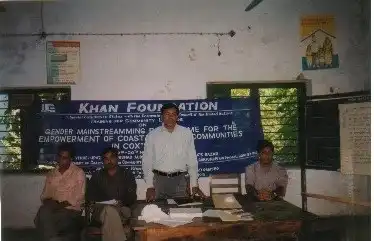
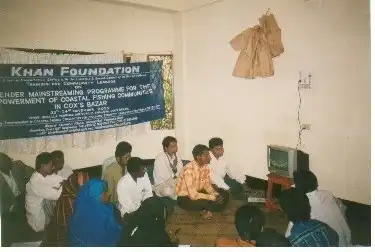
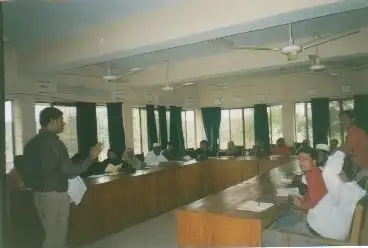
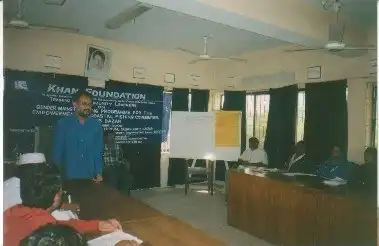
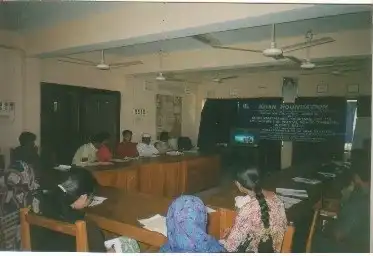
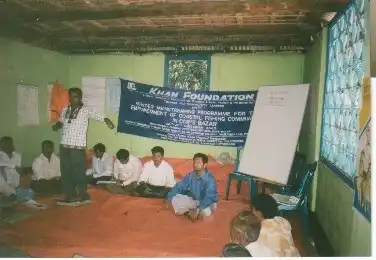
Conducted five gender awareness training programs for community leaders.
Organized follow-up meetings.
Prepared project reports.
Used training materials including:
o OHP
o Television
o VCD
o Posters
o VIPP cards
o Paper cutting
o Hand notes
The project conducted training programs for community leaders from coastal fishing communities. Activities included needs assessment, manual development, Training of Trainers (TOT), gender awareness training, follow-up meetings, and reporting.
Strengthening local leadership for gender-inclusive development
Direct Beneficiaries:
• Community leaders from coastal fishing communities.
• Village organization representatives.
25 leading persons from each village organization participated in each training session, with a total of 125 participants.
Indirect Beneficiaries:
• Coastal fishing households.
• Women and families within fishing communities.
• Local community members.
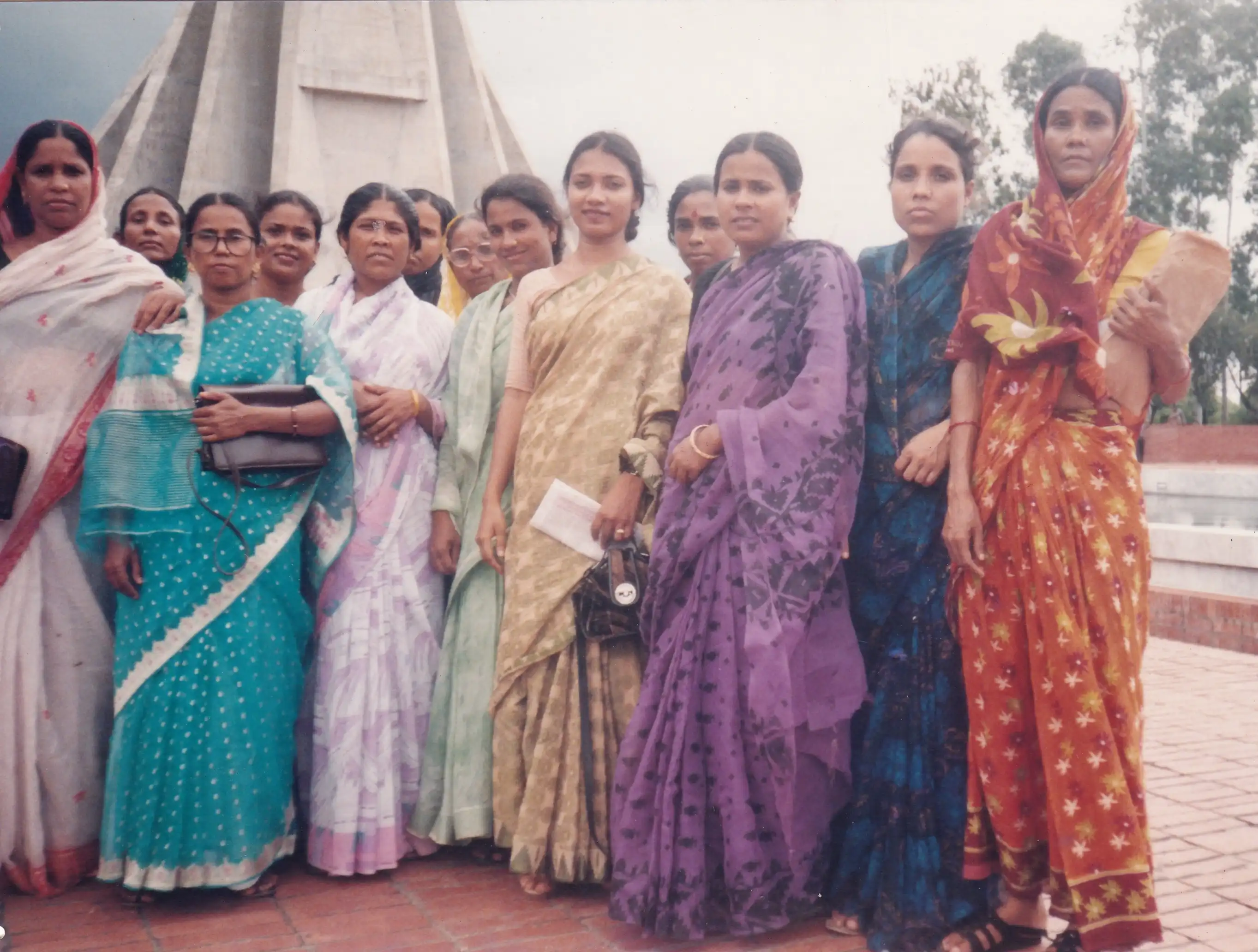
The primary beneficiaries were community leaders from coastal fishing villages who received gender mainstreaming training and awareness support.