Projects
Loading Project...
Please wait while we load the project details

Please wait while we load the project details
Providing Accessible Reproductive Health Care and HIV/AIDS Awareness Services for Vulnerable Adolescent Girls
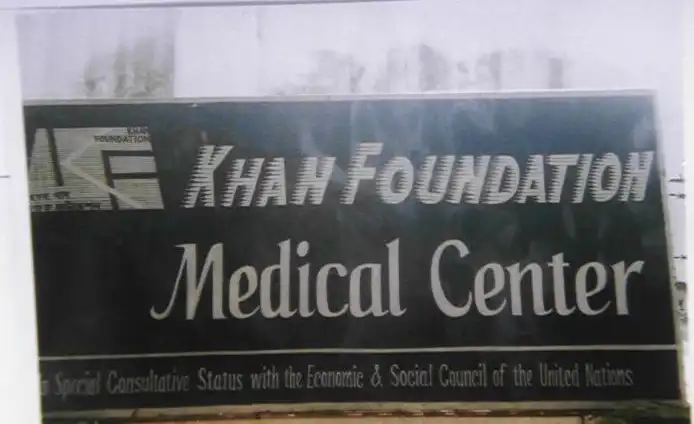
The Mobile Clinic Project was implemented by Khan Foundation to provide primary healthcare,
counseling, reproductive health education, and HIV/AIDS/STD awareness services to
disadvantaged adolescent girls living in slums, streets, and garment factories in Dhaka. The
project established a mobile clinic and strengthened Khan Foundation’s static clinic capacity to
provide confidential and accessible healthcare services.
The project was supported through the Clinic Support Project under the Japan Embassy in Dhaka
and focused on adolescent girls, HIV/AIDS victims, street children, and child domestic workers.
Providing healthcare, counseling, and awareness services to disadvantaged adolescent girls
Establish a Mobile Clinic and strengthen the capacity of Khan Foundation’s static clinic.
Provide information and awareness on sexual and reproductive health issues.
Provide counseling and guidance to adolescent girls from slums, domestic workers, and garment workers.
Raise awareness about HIV/AIDS.
Promote sustainability through community ownership and Khan Foundation involvement in healthcare planning.
The project aimed to establish a mobile clinic, strengthen existing clinic services, provide reproductive health counseling, and increase awareness about STDs/HIV/AIDS among vulnerable groups.
Supporting vulnerable girls through healthcare and reproductive rights services
Approximately 15,000 beneficiaries received free medical treatment and medicines.
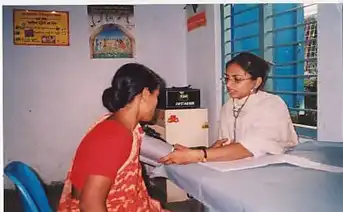
Adolescent girls received primary healthcare related to reproductive health rights.
Increased awareness about HIV/AIDS among slum and street populations.
Reduced risks related to unwanted pregnancy and reproductive health hazards.
Established clinic facilities and diagnostic capacity.
Provided regular counseling and healthcare support.
The project successfully provided medical services, medicines, counseling, and awareness programs to disadvantaged communities and improved access to reproductive healthcare.
Combining healthcare delivery, counseling, and awareness creation
1. Mobile Clinic Services
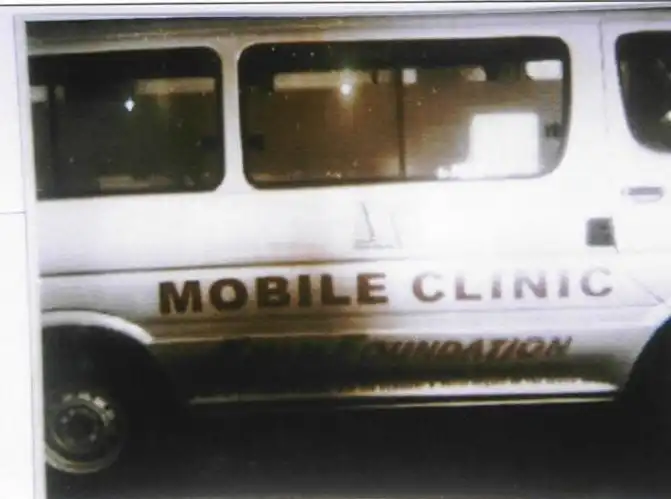
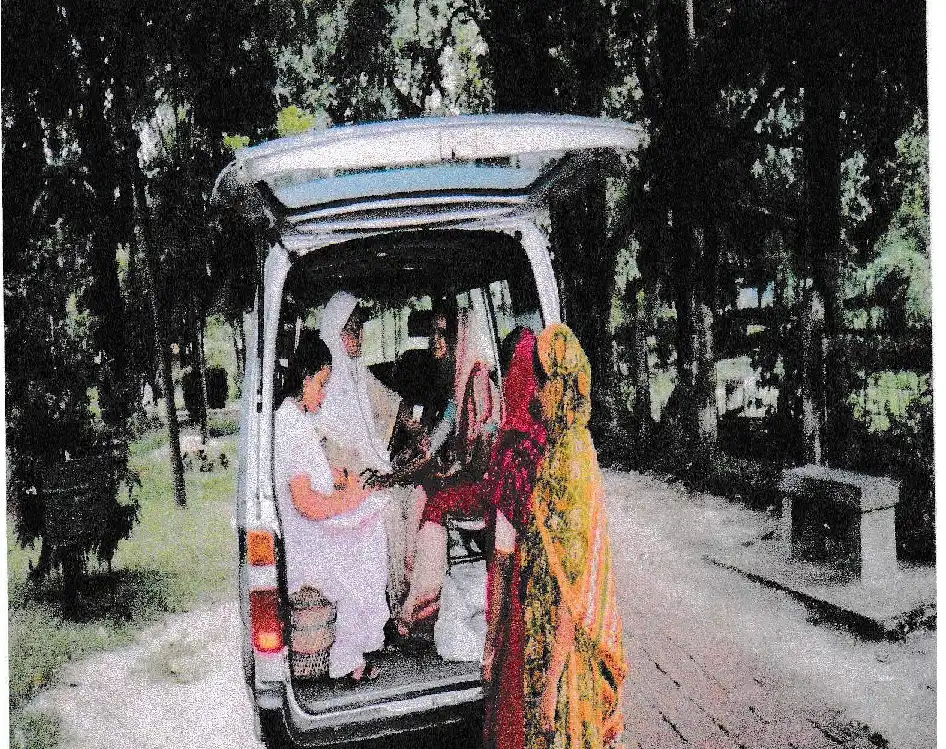
o Delivered healthcare services in slums, streets, and garment factory areas.
2. Clinic Strengthening
o Improved static clinic capacity.
o Added diagnostic and treatment facilities.
3. Medical Assistance
o Provided free medicines and primary healthcare services.
4. Counseling Services
o Provided confidential counseling on reproductive health, unwanted pregnancy, and HIV/AIDS.
5. Awareness Campaigns
o Distributed educational materials on STDs and reproductive health.
6. Capacity Building
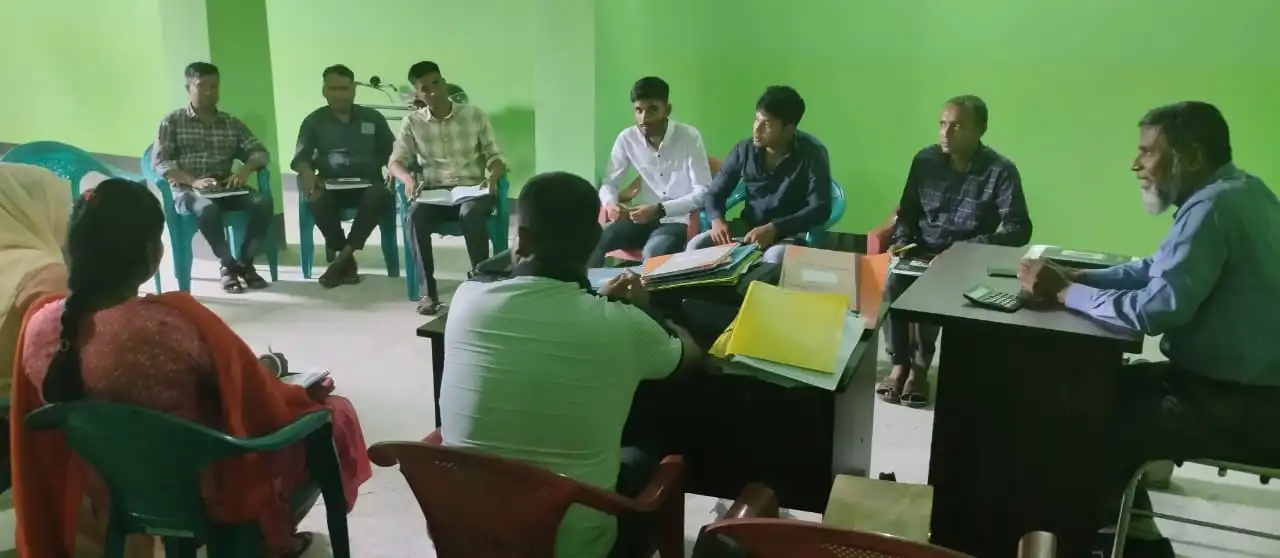
o Trained staff and field workers on gender, reproductive rights, counseling, and confidentiality.
The project used mobile healthcare services, clinic strengthening, awareness campaigns, and counseling interventions to improve reproductive health outcomes among disadvantaged groups.
Providing medical care, counseling, medicines, and reproductive health education
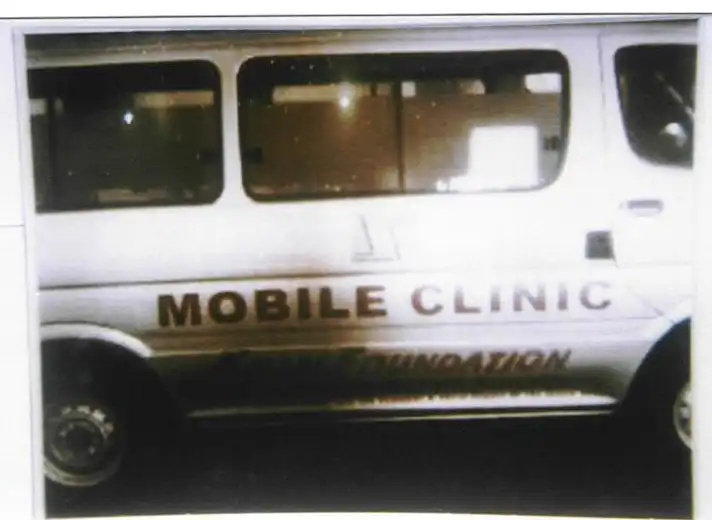
Established mobile clinic services using an ambulance purchased by Khan Foundation.
Strengthened static clinic facilities for diagnosis, treatment, and referral services.
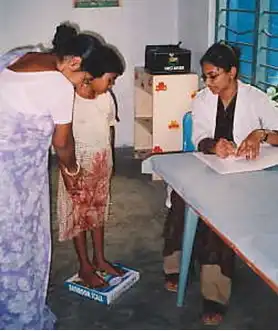
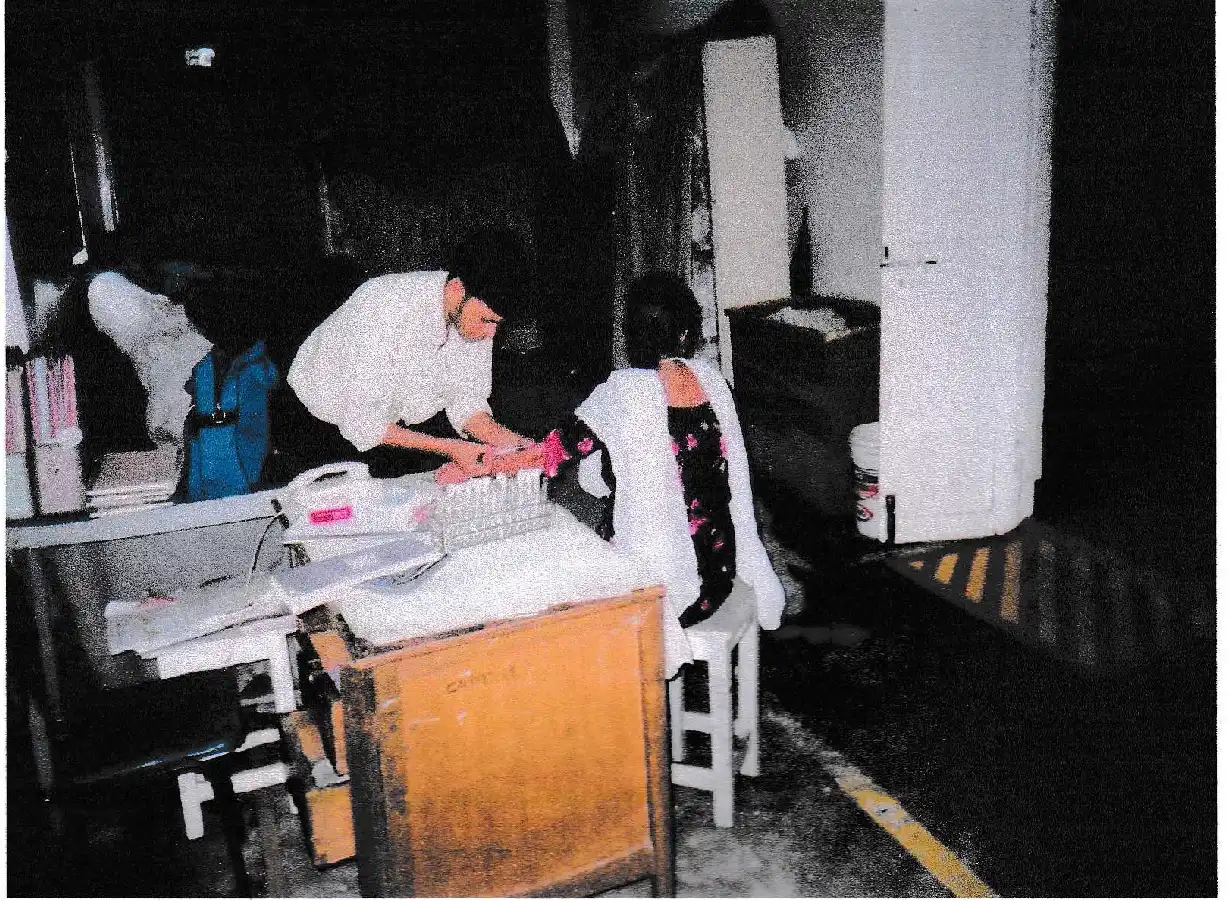
Provided free medical treatment and medicines.
Appointed healthcare staff:
o Project Officer
o Doctor
o Pathologist
o Office Assistant
o Nurse
Provided reproductive health counseling and primary healthcare.
Conducted HIV/AIDS awareness campaigns.
Distributed posters, stickers, and flip charts for reproductive health and STD awareness.
Purchased diagnostic and counseling equipment.
The project delivered healthcare services through mobile and static clinics, conducted awareness campaigns, provided medicines, and developed healthcare infrastructure for vulnerable communities.
Supporting disadvantaged groups with reproductive healthcare services
Primary Beneficiaries:
• Adolescent girls living in slums.
• Girls working in garment factories.
• Child domestic workers.
• Street children.
Secondary Beneficiaries:
• Parents of children.
• Employers of domestic workers.
• Slum communities.
• Vulnerable urban populations.
The project targeted vulnerable populations including adolescent girls living in slums, street children, child domestic workers, and garment workers.