Projects
Loading Project...
Please wait while we load the project details

Please wait while we load the project details
Enhancing Accountability and Transparency of Government Social Protection System in Bangladesh
Social protection programs are non-
contributory programs that target the poor and vulnerable section of population and are designed
to reduce poverty and inequality, enable better human capital investments, improve social risk m
anagement, and offer social protection to people living below poverty line. DFID Bangladesh an
d Ministry of finance (MoF) have undertaken a program titled Strengthening Government Social
Protection for the Poor (SGSP) for reforming the country’s social protection system through an i
nherent civil society component within the next four years. With the help of UN agencies and rel
evant Ministries, an NGO supporting Human Rights and Governance initiatives will facilitate the
civil society component of the SGSP program by Manusher Jonno Foundation (MJF). Khan Fou
ndation (KF) as a private voluntary development organization implemented the project named “
Monitoring Social Protection Programmes: How best to deliver to the poor” in Faridpur district.
A two years project with a goal of enabling rural and urban poor (especially those currently exclu
ded from social protection services) in Bangladesh to get local social protection services which i
n turn will be expected to reduce proportion of people in extreme poverty. KF is an experienced
organization of implementing such project and setup its local office in Sadar Upazila of Faridpur
district. KF worked in the 11 unions and a Pouroshova of that district.
The project aimed to strengthen accountability, transparency, and citizen participation in
Bangladesh’s social protection system by introducing community-driven monitoring
mechanisms. It focused on improving social protection service delivery for poor and vulnerable
communities through social audits, community scorecards, grievance mechanisms, awareness
building, and policy advocacy.
Improving transparency, citizen participation, and effective delivery of social protection services
Establish community-driven social audit systems for transparent and accountable safety- net service delivery.
Increase awareness among rights holders and duty bearers regarding social protection policies and services.
Create opportunities to document and share knowledge on universal social protection service provision.
The project sought to improve social protection service delivery by empowering citizens, strengthening civil society oversight, and promoting accountability among service providers.
Enhanced citizen engagement and accountable service delivery
Participatory beneficiary selection processes practiced.
Effective grievance mechanisms established.
Community feedback collected and documented.
Social protection policy issues identified and documented.
Increased awareness of safety-net rights and entitlement processes.
Improved capacity of duty bearers and citizen groups.
Enhanced capacity of civil society/citizen forum in planning and managing citizen-led monitoring of social protection services
Provisions (legal framework including ordinance & directives), political commitment and public opinion conducive for social protection incorporated into national policy documents
Information, technical and advisory support for civil society/citizen forum valued, used and continuing
The project improved beneficiary participation, strengthened grievance mechanisms, documented community feedback, and promoted better governance in social protection programs.
Creating mechanisms for transparent and responsive social protection delivery
Social Protection Forum establishment.
Community Score Card implementation.
Social audit and community monitoring.
Grievance Redress Mechanism establishment.
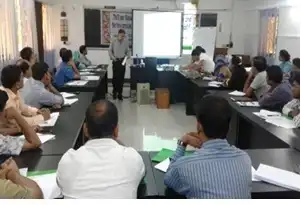
Capacity building of government officials and community groups.
Policy advocacy and stakeholder dialogue.
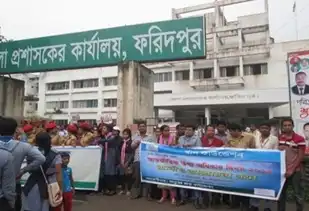
Awareness raising through meetings, booklets, posters, fairs, and cultural programs.
The project introduced participatory monitoring tools and institutional mechanisms to improve accountability between citizens, local government, and service providers.
Building citizen capacity to monitor and improve social protection services
Inception meeting with target institutions
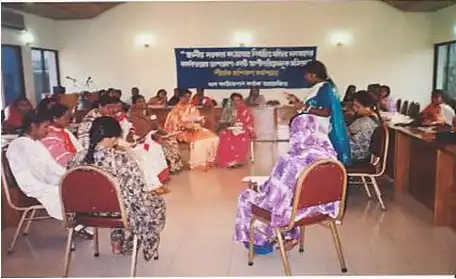
Formation and mobilization of Citizen Forums at local level- Union(UFSP), and District (DFSP) level
Capacity building of citizen groups
Introducing community monitoring through using Social accountability tools-Community Score Card
Sharing community monitoring findings with concerned authorities at Union, and District level
Social protection related grievance accumulation and management (using ICT)
Establishment of public information help-desk at Upazila level
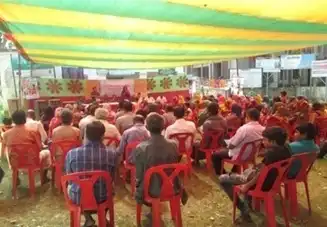
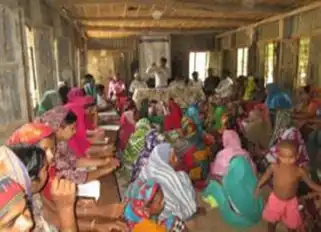
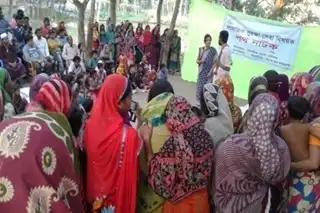
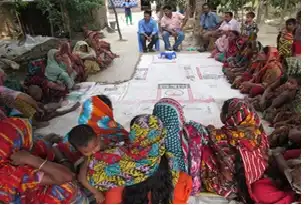
Community level meetings for mass awareness raising
Develop IEC materials and dissemination of Social Protection Information
Baseline, mid-term and final evaluation study
Documentation
Extracting policy issues, recommendations from communities and stakeholders through study/survey
Link with the ‘National Forum for Social Protection (NFPP)’, a centrally facilitated group for collectively advocating for reform in the Social Protection system
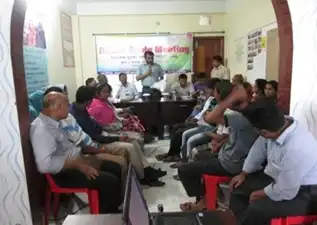
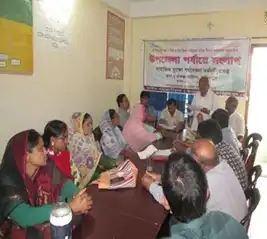
Coordination Meeting
Staff Meeting
Startup Activities
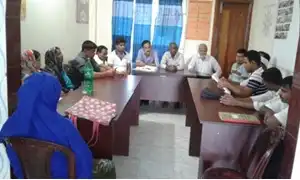
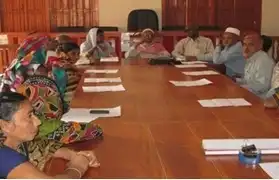
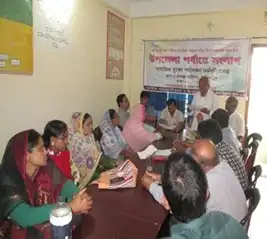
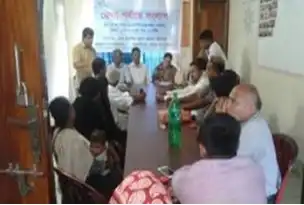
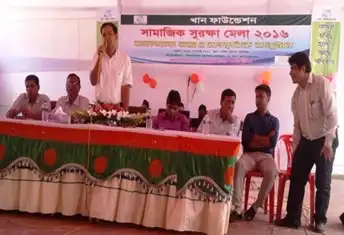
Through some extensively activities KF achieved project outcomes. The project formed on the operational level, a Project Management Team (PMT) and implemented the activities through recruited staff. KF introduced citizen monitoring through community score card forming citizen forum at the working areas. Citizen Forum is a local forum facilitated by KF to provide a diverse range of citizens with the opportunity to monitor the local social protection service, raise and discuss related policy advocacy and local development issues with MPs, local government officials, concern authorities and also to find solutions. KF carried out monitoring and evaluation and followed up regarding the functioning of these activated committees. Through citizen forum, a platform has been created to work in a cohesive and coordinated manner to takes account of citizen views and interests and welcomes public input in policy formulation and oversight. They upon strengthening their institutional capacities continued to act as pressure groups to MPs and other relevant stakeholders for policy change after project completion. The project implemented various capacity-building, monitoring, awareness, and advocacy activities involving communities, government officials, and local stakeholders.
Supporting marginalized groups through improved social protection services
Poor and ultra-poor households.
Women, elderly people, persons with disabilities, and vulnerable groups.
Social protection beneficiaries under programs such as:
Allowance for Financially Insolvent Disabled (AFID)
Widow, Deserted and Destitute Women Allowance (AWDDW)
Old Age Allowance (OAA)
Vulnerable Group Development (VGD)
Vulnerable Group Feeding (VGF)
Education stipends and employment programs.
Public at large, including Family Members and relatives of beneficiaries experiencing poverty or facing social inclusion problems.
Citizen Forum
Government departments and agencies
Local administration
Parliaments and Local Government elected representatives (LGERs)
Social Network partners
Civil society Organizations (CSOs)
Experts
Media
Direct beneficiaries reported: 25,294 individuals; indirect beneficiaries: 101,418 individuals.
The project targeted poor, ultra-poor, vulnerable, and socially excluded populations who depend on government social protection programs.