Projects
Loading Project...
Please wait while we load the project details

Please wait while we load the project details
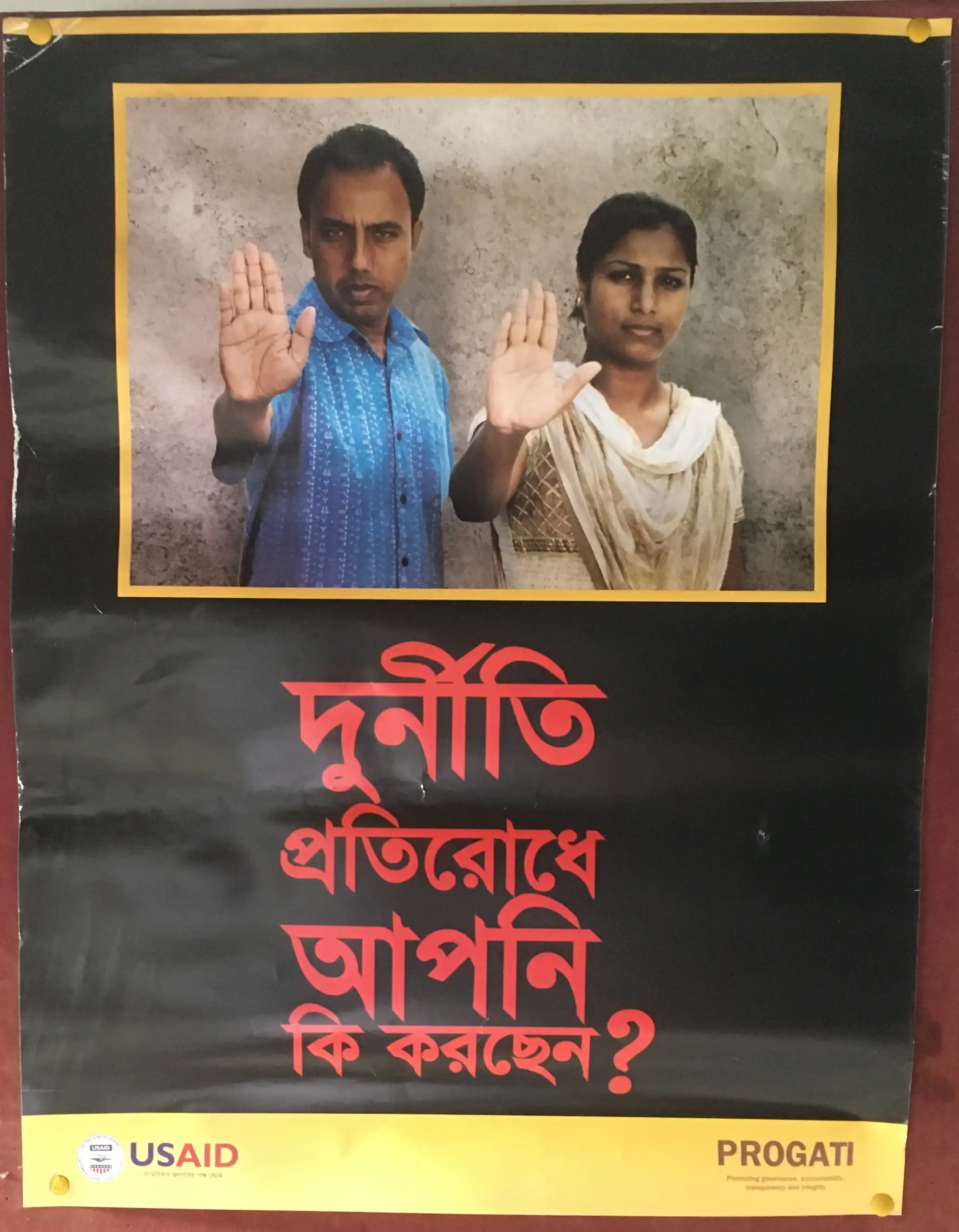
Promoting citizen-led accountability, transparency, and integrity for better public services.
PROGATI was a governance and anti-corruption programme implemented by Khan Foundation to strengthen democracy, decentralization, and citizen participation. The project focused on improving accountability and transparency in public service delivery through Citizen Forums, CSO capacity building, community monitoring, budget dialogues, Citizen Charters, and advocacy activities.
Khan Foundation (KF) entered into agreements with PROGATI under various Fixed Obligation Grants and a Fixed Price Purchase Order for implementing initiatives focused on strengthening civil society capacity, promoting anti-corruption reforms, and developing community-based mechanisms for monitoring and reporting corruption.
The agreements covered the following projects:
Through these initiatives, KF contributed to strengthening the capacity of civil society organizations and networks to monitor, analyze, and publicize corruption, while supporting broader efforts to promote transparency, accountability, and anti-corruption reforms.
Building accountable institutions and empowering citizens to monitor public services.
• Promote transparency, accountability, integrity, and responsiveness in public services.
• Build capacity of CSOs and Citizen Forum members.
• Improve citizen-led monitoring of government services.
• Increase public awareness about corruption and accountability.
• Facilitate dialogue between citizens and government officials.
• Improve participation in national and local budget processes.
• Strengthen local decision-making structures.
• Improve access to government services through Citizen Charters.
The project aimed to combat corruption, strengthen democracy, and promote decentralization by increasing citizen engagement in public sector oversight and improving transparency and accountability.
Empowered communities actively engaging with government institutions.
• Increased community participation in monitoring public services.
• Improved awareness regarding corruption and public budgets.
• Strengthened capacity of CSOs and Citizen Forums.
• Development of Citizen Monitoring Manual and Citizen Charter guidelines.
• Citizens became more capable of communicating concerns with government officials.
• Improved relationship between service providers and service receivers.
• Increased transparency in government programmes and decision-making processes.
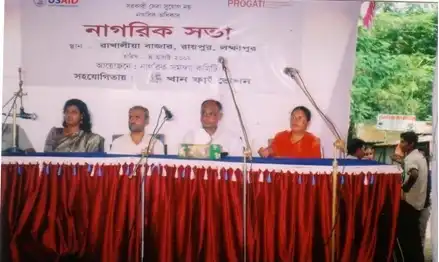
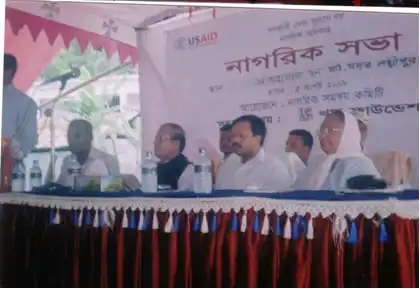
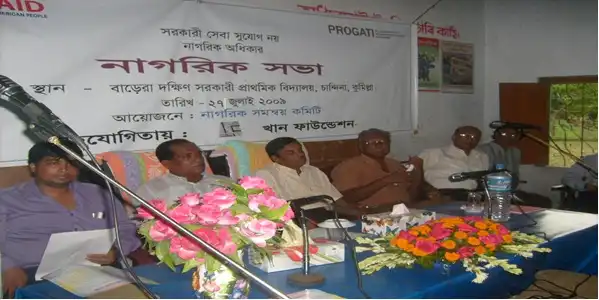
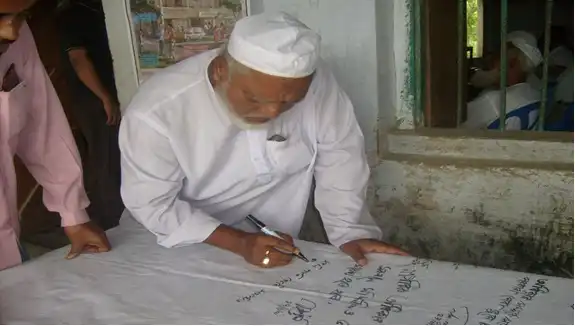
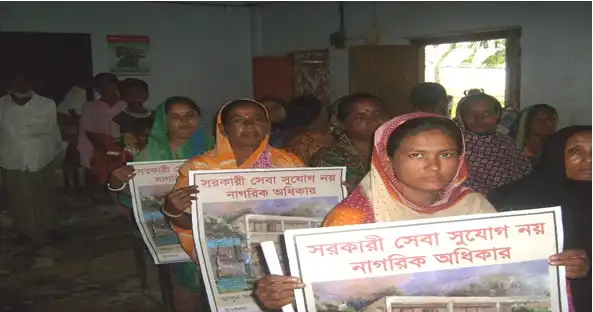
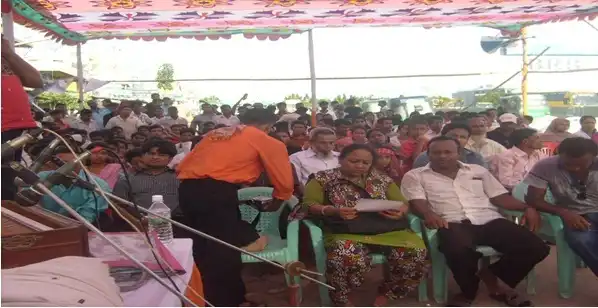
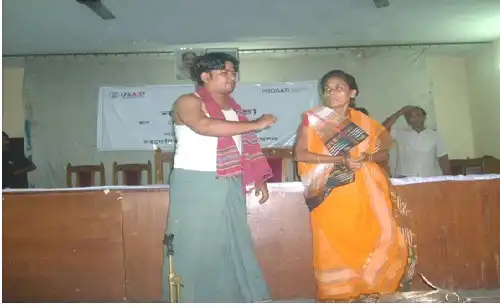
The project increased citizen awareness, strengthened community monitoring systems, improved interaction between service providers and citizens, and encouraged government accountability. Anti-Corruption Campaigns These campaigns were successful in having positive impacts both at the individual and organization level. It was observed that previously people did not have any courage to talk about corruption in the communities. As a result of these campaigns, they become aware on and worked as a collective force to reduce corruption from the society. Some CSOs were also inspired by these campaigns and influenced other organizations to raise their voice against any corruption. They also merged anti-corruption issue with other existing programs. Some organization incorporated Good Governance and Transparency issues in their organization’s objectives. Budget Dialogues Previously general people believed that budget is the most critical and complex issues and this process are entirely controlled by the Ministers, Member of parliaments and bureaucrats. There is limited opportunity for people’s participation in the budget formulation process. Now, as a result of budget dialogues they believe that budget is an important issue ensuring transparency accountability and responsive government. They became skilled and committed to organize these types of campaigns in regular basis with support of Citizen Forum and CSOs. These dialogues also encouraged the local government representatives to prepare an open budget for the union Parishad. Members of Parliament and representatives from C&AG office were present in some of these dialogues as observer under a cross component activity visit of PROGATI Program. They agreed that this type of campaigns helped to establish local demand in national budget and made the budget process transparent. Citizen Monitoring Exercises Through this process community people were encouraged to become involved through existing CSOs to monitor the public services ensuring transparency, accountability and responsive government. These exercise empowered the communities and make the government official more accountable to fulfill their duties according to their stated service rules. Community members especially the vulnerable groups are now able to understand more fully their entitlements by right, law or regulation. Now these People can discuss how to approach service providers and what their objectives will be in any dialogue. This implies a change in the service providers approach to service delivery towards increased efficiency, transparency, accountability etc. Through this process a positive relationship developed between service provider and receiver and they sit together regularly to reduce corruption from the society. Communities can start negotiation with those responsible people for providing services or who are responsible for developing policy. Citizen Charter Adaptation for Local Use An immediate impact of our work that was observed is the awareness about Citizen Charters. Although 1st Generation CCs have existed for a while and UNDP with the Government of Bangladesh has taken measures to formulate more effective 2nd Generation CCs, at the Upazila and UP level, there is inadequate knowledge about CCs, why they are needed and how they aim to strengthen and improve the quality of basic services. With this activity, we were able to explain the concept and usefulness of the CC to various households at the grassroots level. Even government officials, like community members did not have a clear understanding of CCs and what their roles are in regards to this. Another positive outcome of the Citizen Charter activities include the level of interaction between the CSOs, CFs and government officials. Citizens who are part of the CFs usually do not have opportunities to meet with government officials, discuss concerns and figure out solutions. Through the working group meetings, citizens were able to come together and act as a pressure group. In these meetings and in their own professions/work, the CF members became more influential. It was found that the CC activities had a direct and positive impact on the local citizens and the community. We found that the hanging of the CCs drew large crowds and was a memorable occasion. Local citizens expressed their gratitude for the 2nd Generation CCs. District Level Entry-Point Mapping and Advocacy In Meherpur, CSOs have shown extensive collaboration and cohesiveness. They have met several times to discuss approaches to holding the district-level meetings. The local CSOs met among themselves and they also met with some CF members. They have had consultations with the government officials including the Civil Surgeon and Deputy Director, Family Planning Department and have shown effort. The CSOs also met with representatives of the three government oversight bodies, and representatives from the district level offices attended the meetings. Some CF members effectively highlighted the problems in the sector and the concerns of its community members to the government officials
Creating mechanisms for citizen oversight and responsive public services.
• Community Scorecard methodology.
• Citizen Monitoring of Local Public Services.
• Anti-corruption awareness campaigns.
• Budget awareness and dialogue sessions.
• Citizen Charter development.
• District-level advocacy initiatives.
• Citizen Forum formation and strengthening.
• Government-citizen consultation meetings.
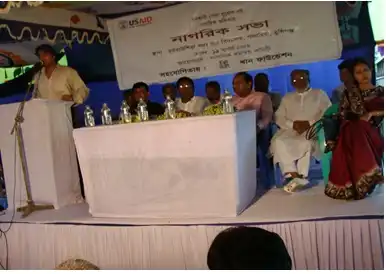
The project introduced social accountability tools and platforms to encourage citizens to participate in monitoring, advocacy, and dialogue with government institutions. Khan Foundation has been engaging in activities to increase citizen participation in the process of democracy such as engaging in citizen monitoring of public services, participating in district level committees for the various public services, taking part in budget dialogues among others. Khan Foundation has been working with several social accountability tools for the past few years. One of KF's new and innovative tools to fight corruption is the Citizen Monitoring of Local Public Services, Publicity and Campaign Training Manual to monitor public services at the grassroots level. This has been developed under the USAID PROGATI program. The module was prepared through 63 days of discussion between Khan Foundation and representatives of PROGATI. Field test was also carried out for the formulation of the seven stages in Munshiganj district, Gozaria Upazila and Bhoberchor Union at a primary school. KF has also prepared a Practical Guideline for Developing Citizen's Charter, which is a document that will enable citizen charters to be formulated, which will improve access to and quality of public services. The citizen charter is a document that provides important information about the services provided by the respective public agency such as the types of services, contact information of relevant persons, procedure for complaints etc. KF also prepared Implementing Guideline for Strengthening District Level Service Sector Legal Decision-Making Structures, which is a guideline, aimed to strengthen the decision-making structures in order to promote citizen involvement for improvement in services. For carrying out these activities and ensuring their success, KF formed Citizen Forums, which are citizen groups comprised of groups of people from different professions, age groups, social class and interest who have the common goal of helping their communities to become developed. These Citizen Forums engage with the local CSO representatives and conduct the citizen monitoring activities.
Training, monitoring, advocacy, and dialogue initiatives for accountable governance.
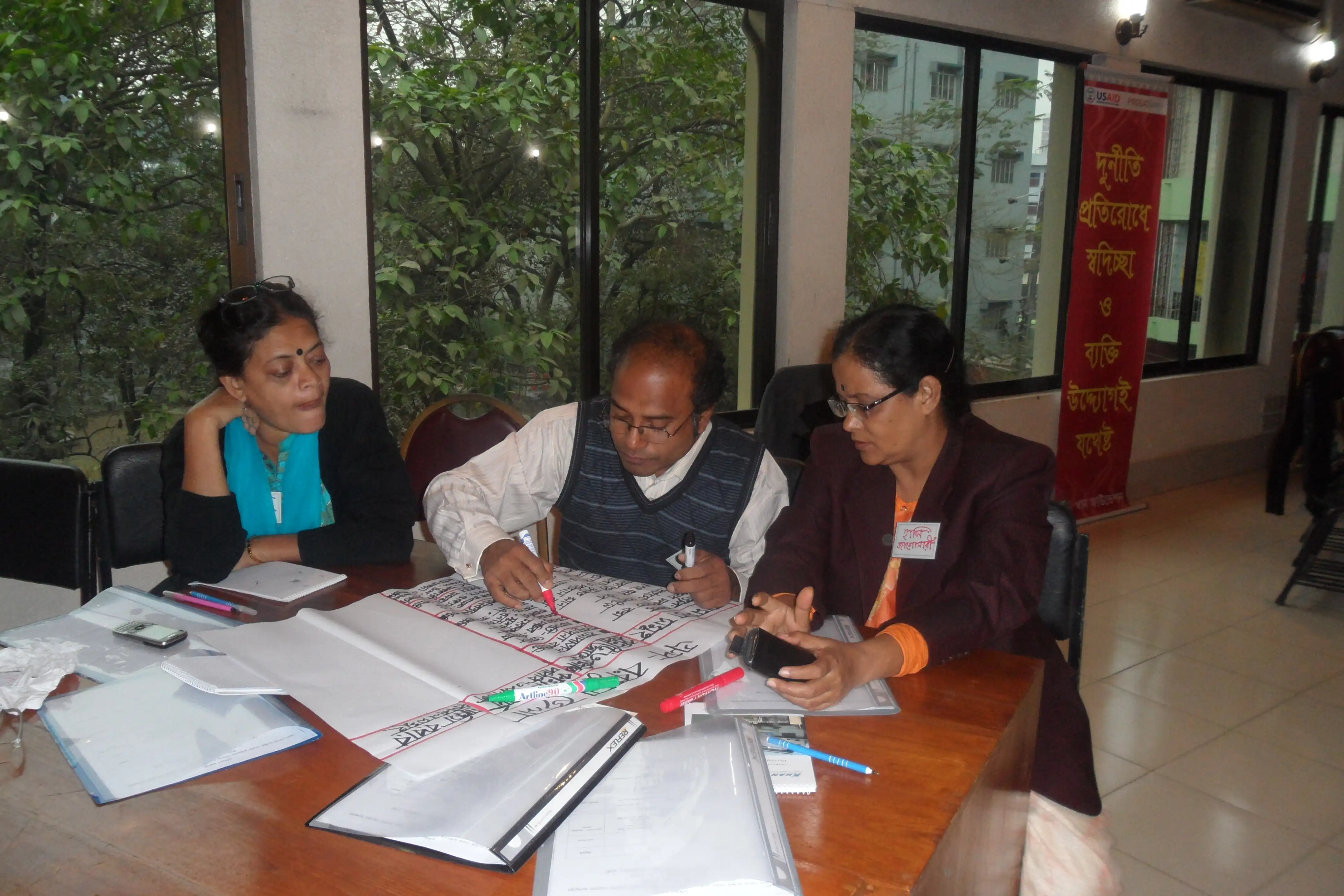
Capacity building of CSOs/Citizen Forums: Training on Community Scorecard: Use and Applications
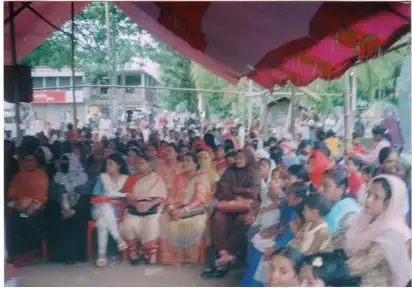
Anti-Corruption Awareness Campaigns
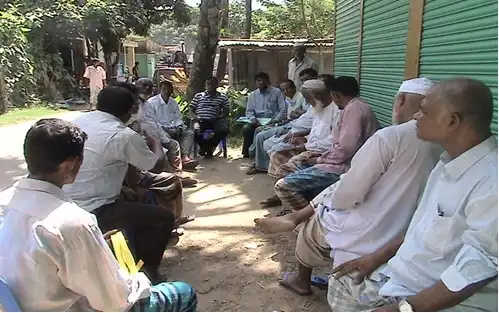
Citizen-led Exercises to Monitor Public Service
Budget Dialogues
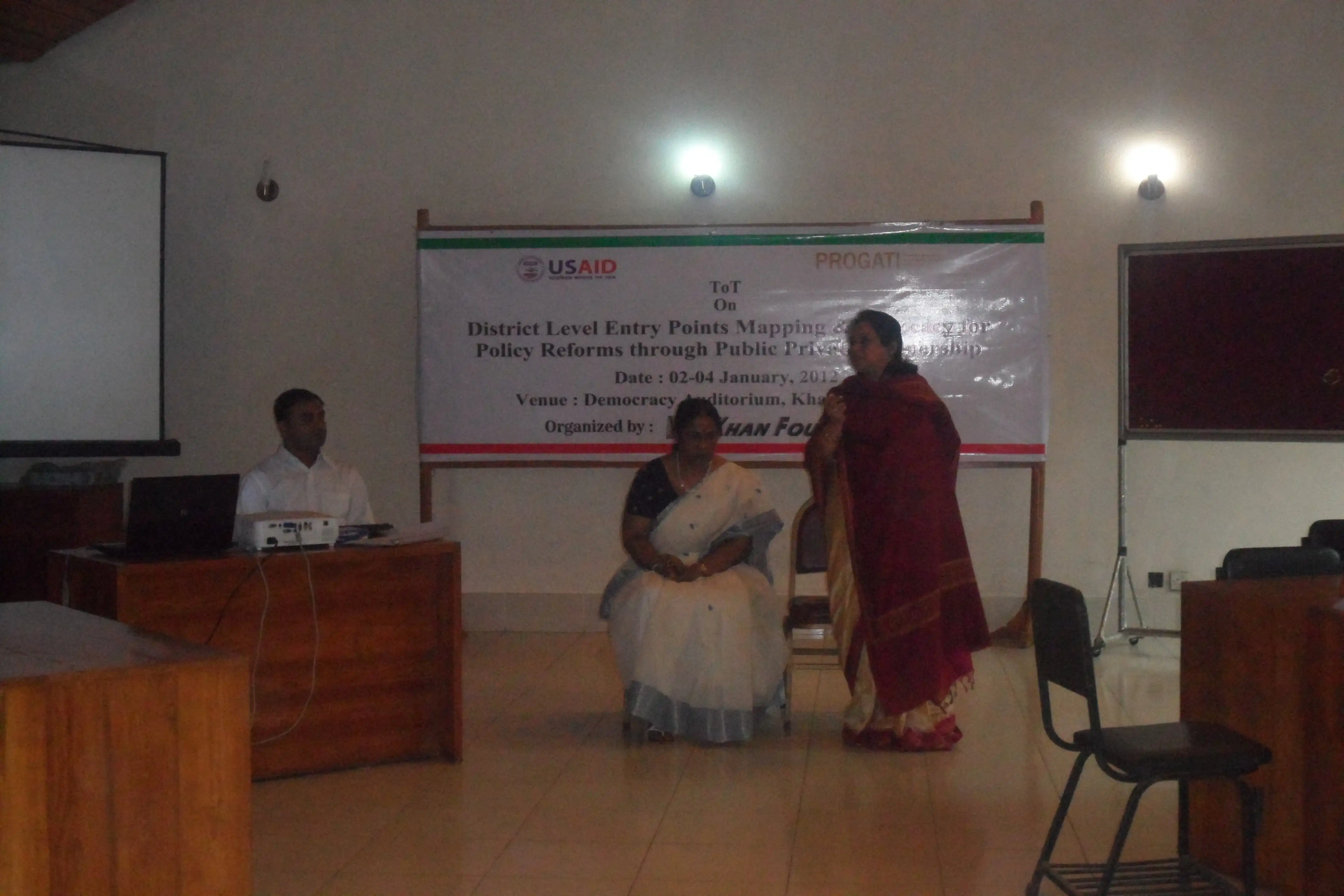
District Level Entry-Point Mapping and Advocacy Task
Citizen Charter's Adaptation for Local Use Task
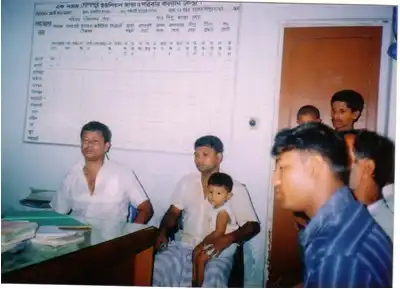
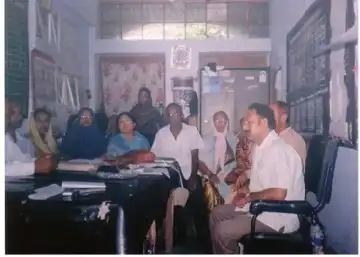
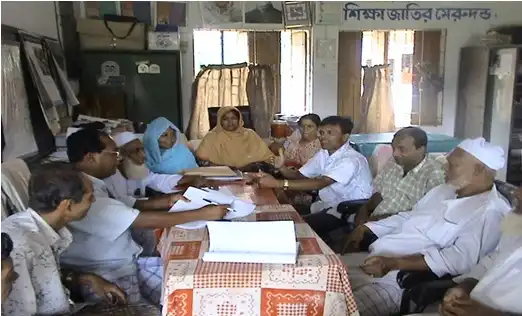
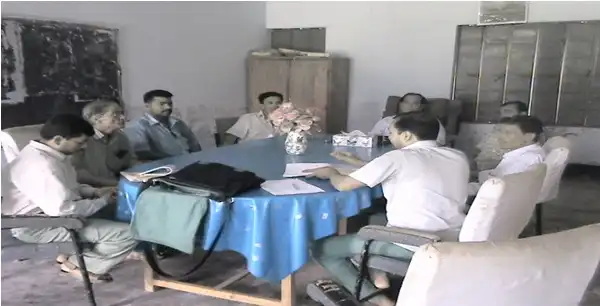
Meetings with Government Officials and Local Administration (Under District Level Entry-Point Mapping and Advocacy Task and Citizen Charter's Adaptation for Local use Task)
Meetings with Citizen Forums (Under District Level Entry-Point Mapping and Advocacy Task and Citizen Charter's Adaptation for Local use Task)
• Meetings between citizens, CSOs, Citizen Forums, and government officials.
• Formation and strengthening of Citizen Forums as community accountability groups.
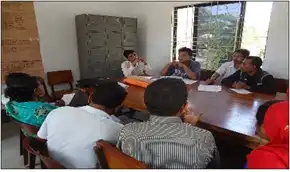
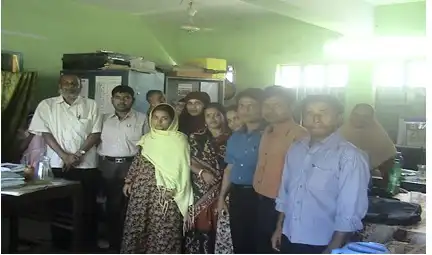
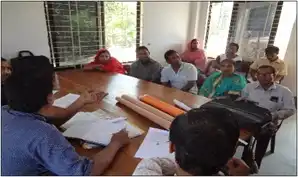
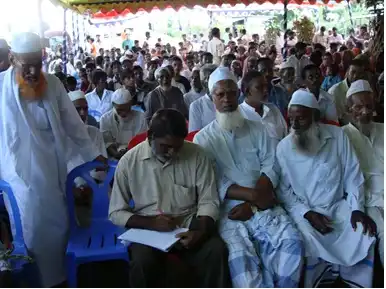
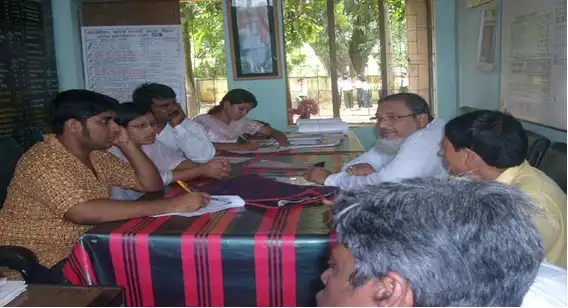
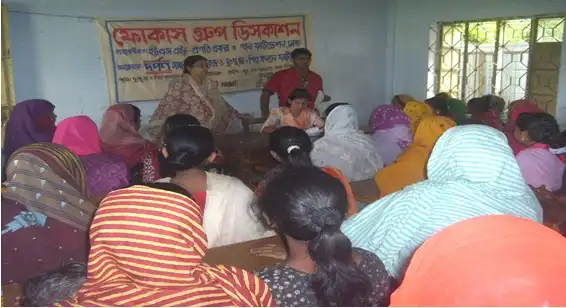
PROGATI implemented multiple citizen-focused activities to increase public participation and improve government service delivery mechanisms. Capacity building of CSOs/Citizen Forums: Training on Community Scorecard: Use and Applications The objectives are • To educate about the Community Scorecard and its implementation • To improve the skills of the CSO representatives and Citizen Forum Members • To improved their strength in planning and managing citizen-led monitoring of government services at the grassroots level Anti-Corruption Awareness Campaigns The objectives of these campaigns were: • To build social awareness through anti-corruption campaign. • To build an anti-corruption sentiment amongst rural people and various professions • To reduce corruption from grassroots level. Citizen-led Exercises to Monitor Public Service The objectives of the campaign are: • To facilitate dialogue between citizens & government officials to promote accountable, transparent & responsive services provisions at the local level • To raise awareness of the importance of transparent & accountable government action & highlight the impact of corruption on local economic, social & environmental systems. Budget Dialogues The objectives of the campaign are: • To ensure effective participation of the people in national budget making process. • To strengthen skills and ability to manage similar activities in the future. • To raise awareness among people of the budget, its role & implications. • To generate an expectation among the public for a higher level of consultation in the public budgeting process and create an alliance of civil society members District Level Entry-Point Mapping and Advocacy Task At the district level, citizen participation in the oversight of policy making and implementation is minimal. Through the organizing of district level meetings, the CSOs aim to strengthen the district-level decision-making structures for the sectors of health, education and VGD to bring about an improvement in the quality of the public services. Citizen Charter's Adaptation for Local Use Task Citizens are unaware of the various public services that the government is obliged to provide. By organizing meetings and formulating Citizen Charters at the Upazila and Union Parishad level, the aim is to inform citizens of the services and to improve government performance. Meetings with Government Officials and Local Administration (Under District Level Entry-Point Mapping and Advocacy Task and Citizen Charter's Adaptation for Local use Task) The objectives of the meeting are: • To ensure CSOs, Citizen Forum members, government officials as well as representatives from government oversight bodies come together and discuss ways to strengthen the decision-making structures and promote citizen involvement for improvement in services. Meetings with Citizen Forums (Under District Level Entry-Point Mapping and Advocacy Task and Citizen Charter's Adaptation for Local use Task) The objectives of the meeting are: • To ensure that the concerns of the community and its citizens are raised and given attention • To build the capacities of the Citizen Forum members to act as a pressure group and important agents of change in their communities
Grassroots communities empowered to participate in governance processes.
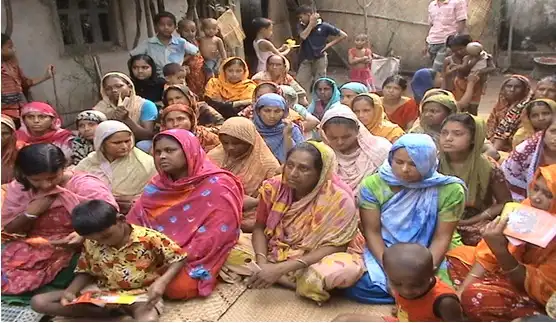
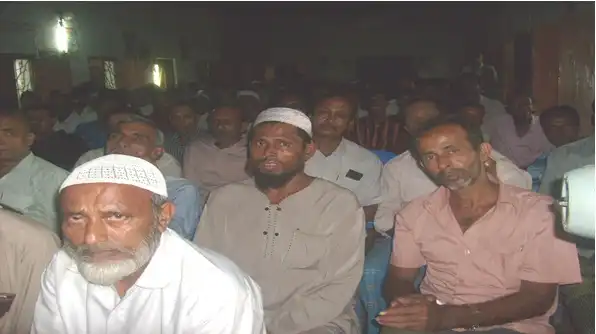
• General citizens, especially rural communities.
• Civil Society Organization (CSO) representatives.
• Citizen Forum members.
• Vulnerable and marginalized groups.
• Public service users.
• Local communities benefiting from improved government services.
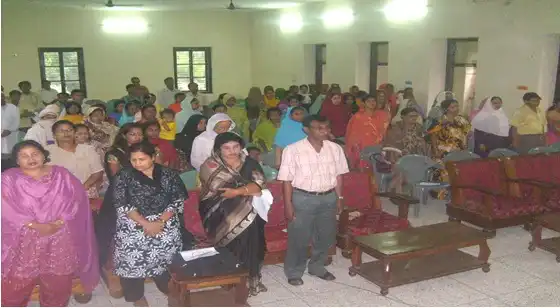
The main beneficiaries were grassroots citizens, CSOs, and Citizen Forum members who gained knowledge, skills, and platforms to engage with public institutions. The public in general and especially at the grassroots level has benefited because they have receive improved public services, they have become more aware about corruption issues and national and local budgets. They have increased their participation in the various committees and are able to more effectively communicate about the concerns they face in their communities to the public administration and government officials. This project has targeted the CSOs and the Citizen Forums since they are the most important element of project implementation. CSO representatives and Citizen Forum members have received training on the use and applications of the community scorecard. The CSO representatives were also responsible for organizing the anti awareness campaigns, the budget dialogues and the meetings between government officials and citizens to discuss the findings of the citizen monitoring of public services. They have also set up meetings with the government officials and the Citizen Forums to strengthen the district level committees and to formulate citizen charters for the different public services.