Projects
Loading Project...
Please wait while we load the project details

Please wait while we load the project details
Promoting citizen-led accountability, transparency, and integrity for better public services.
PROGATI was a governance and anti-corruption programme implemented by Khan Foundation
to strengthen democracy, decentralization, and citizen participation. The project focused on
improving accountability and transparency in public service delivery through Citizen Forums,
CSO capacity building, community monitoring, budget dialogues, Citizen Charters, and
advocacy activities.
Khan Foundation (KF) entered into agreements with PROGATI under various Fixed Obligation
Grants and a Fixed Price Purchase Order for implementing initiatives focused on
strengthening civil society capacity, promoting anti-corruption reforms, and developing
community-based mechanisms for monitoring and reporting corruption.
The agreements covered the following projects:
1. Building CSO Expertise on Monitoring, Analyzing and Publicizing Corruption
2. Strengthening Civil Society Networks to Support and Promote Anti-Corruption
Reforms
3. Monitoring, Analyzing and Publicizing Corruption – Curriculum Development,
District Planning, and Community Scorecard Orientation
Through these initiatives, KF contributed to strengthening the capacity of civil society
organizations and networks to monitor, analyze, and publicize corruption, while supporting
broader efforts to promote transparency, accountability, and anti-corruption reforms.
Building accountable institutions and empowering citizens to monitor public services.
Promote transparency, accountability, integrity, and responsiveness in public services.
Build capacity of CSOs and Citizen Forum members.
Improve citizen-led monitoring of government services.
Increase public awareness about corruption and accountability.
Facilitate dialogue between citizens and government officials.
Improve participation in national and local budget processes.
Strengthen local decision-making structures.
Improve access to government services through Citizen Charters.
The project aimed to combat corruption, strengthen democracy, and promote decentralization by increasing citizen engagement in public sector oversight and improving transparency and accountability.
Empowered communities actively engaging with government institutions.
Increased community participation in monitoring public services.
Improved awareness regarding corruption and public budgets.
Strengthened capacity of CSOs and Citizen Forums.
Development of Citizen Monitoring Manual and Citizen Charter guidelines.
Citizens became more capable of communicating concerns with government officials.
Improved relationship between service providers and service receivers.
Increased transparency in government programmes and decision-making processes.
The project increased citizen awareness, strengthened community monitoring systems, improved interaction between service providers and citizens, and encouraged government accountability.
Creating mechanisms for citizen oversight and responsive public services.
Community Scorecard methodology.
Citizen Monitoring of Local Public Services.
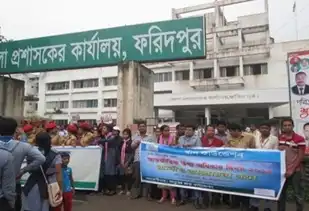
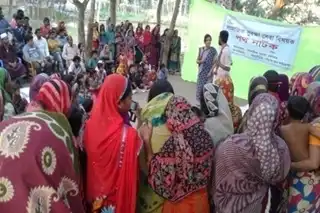
Anti-corruption awareness campaigns.
Budget awareness and dialogue sessions.
Citizen Charter development.
District-level advocacy initiatives.
Citizen Forum formation and strengthening.
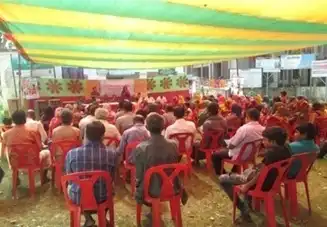
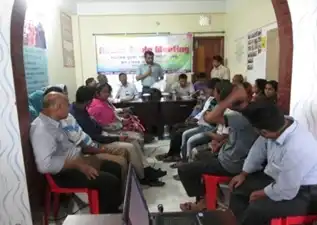
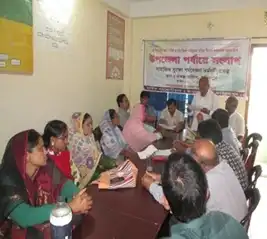
Government-citizen consultation meetings.
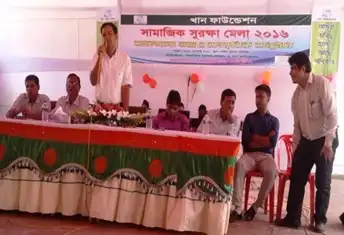
The project introduced social accountability tools and platforms to encourage citizens to participate in monitoring, advocacy, and dialogue with government institutions.
Training, monitoring, advocacy, and dialogue initiatives for accountable governance.
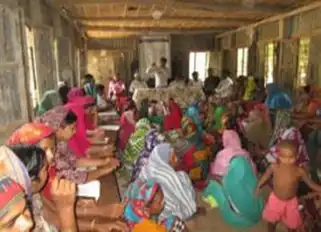
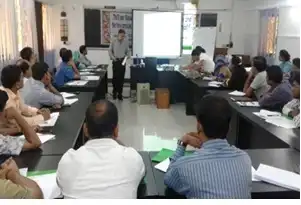
Capacity building of CSOs and Citizen Forums through Community Scorecard training.
Anti-corruption awareness campaigns.
Citizen-led monitoring of public services.
Budget dialogue programmes.
District-level entry-point mapping and advocacy.
Citizen Charter adaptation for local use.
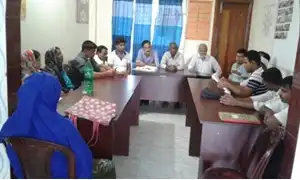
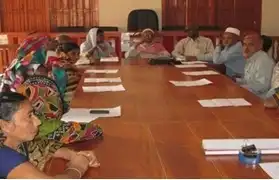
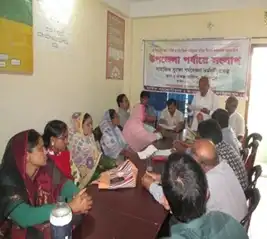
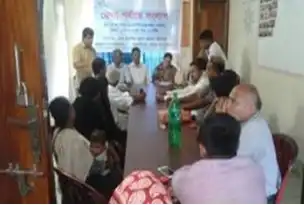
Meetings between citizens, CSOs, Citizen Forums, and government officials.
Formation and strengthening of Citizen Forums as community accountability groups.
PROGATI implemented multiple citizen-focused activities to increase public participation and improve government service delivery mechanisms.
Grassroots communities empowered to participate in governance processes.
General citizens, especially rural communities.
Civil Society Organization (CSO) representatives.
Citizen Forum members.
Vulnerable and marginalized groups.
Public service users.
Local communities benefiting from improved government services.
The main beneficiaries were grassroots citizens, CSOs, and Citizen Forum members who gained knowledge, skills, and platforms to engage with public institutions.