Projects
Loading Project...
Please wait while we load the project details

Please wait while we load the project details
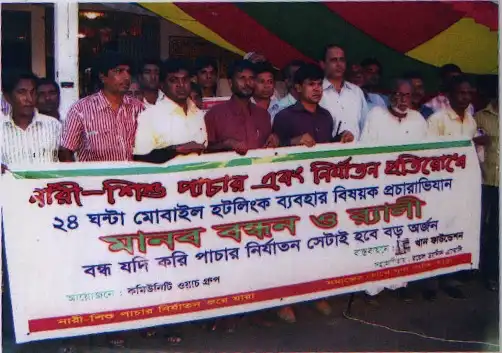
Protecting Women and Children from Trafficking and Violence through 24-Hour Mobile Hotlink Services
The project aimed to protect women and children from trafficking and violence by establishing a 24-hour mobile hotlink service, strengthening community networks, increasing public awareness, providing support services to victims, and creating coordination among stakeholders. The project was implemented by Khan Foundation with support from the Royal Danish Embassy.
Promoting human rights, awareness, and stakeholder coordination
1. Raise awareness among citizens.
2. Sensitize policymakers for necessary actions.
3. Prevent trafficking and violence against women and children while ensuring human rights.
4. Create coordination, linkage, and networking among different stakeholders.
The project focused on preventing trafficking and violence against women and children by raising awareness, influencing policymakers, strengthening community participation, and creating networks among relevant stakeholders.
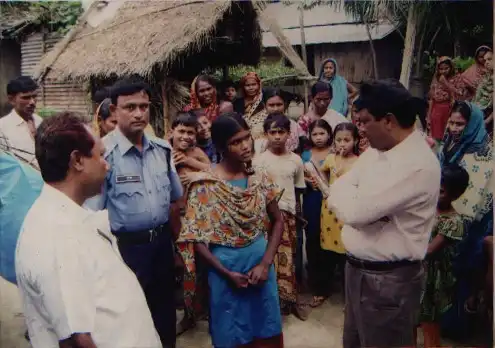
Strengthened community awareness and support networks against trafficking and violence
1. Increased public awareness regarding trafficking and violence issues.
2. Established Community Watch Groups in target areas.
3. Improved access to emergency response, legal counseling, and psychological support.
4. Strengthened coordination among government agencies, NGOs, lawyers, media, and community members.
5. Supported victims through referral services, shelter information, medical assistance, and legal support.
The project contributed to creating a stronger community response system through mobile hotlink services, trained community groups, stakeholder networks, and increased public awareness.
Using technology, community participation, and stakeholder collaboration
1. 24 Hours Mobile Hotlink Secretariat
o Emergency response.
o Complaint receiving and referral.
o Legal and psychological counseling.
o Victim assistance.
2. Community Watch Group (CWG)
o Grassroots monitoring.
o Community awareness.
o Local coordination.
3. Capacity Building
o Training modules.
o Training of Trainers (ToT).
o Community group development.
4. Awareness and Advocacy
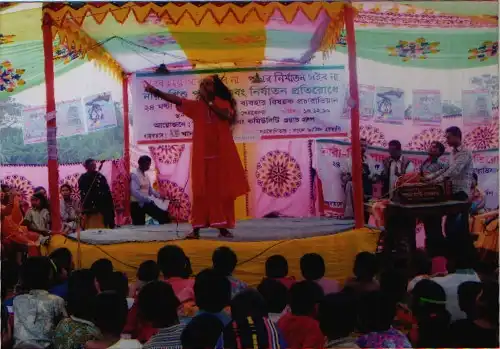
o Campaigns.
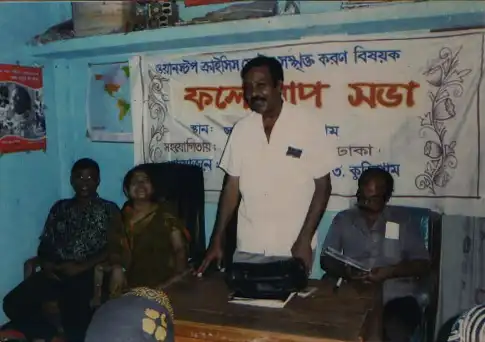
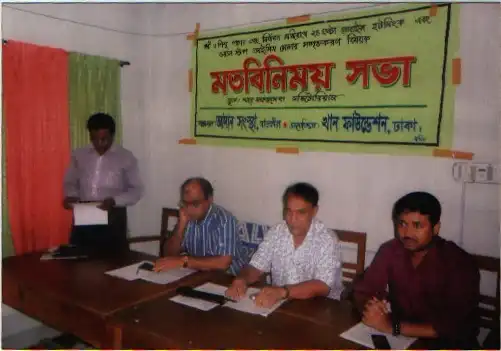
o Seminars.
o Posters, leaflets, stickers, and behavioral change communication materials.
The intervention combined emergency communication services, community monitoring, awareness campaigns, and victim assistance to combat trafficking and violence.
Awareness, emergency response, victim support, and networking
1. 24-hour Mobile Hotlink Service.
2. Case handling and support for trafficking and violence victims.
3. Community Watch Group (CWG) formation and training.
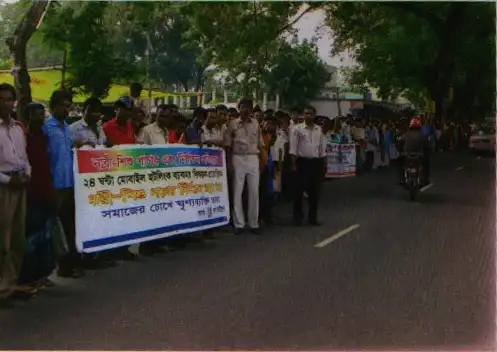
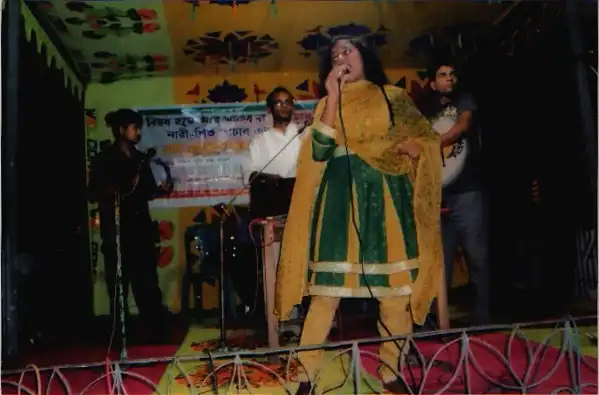
4. Awareness-building campaigns.
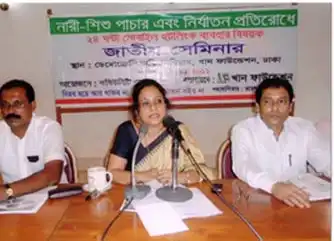
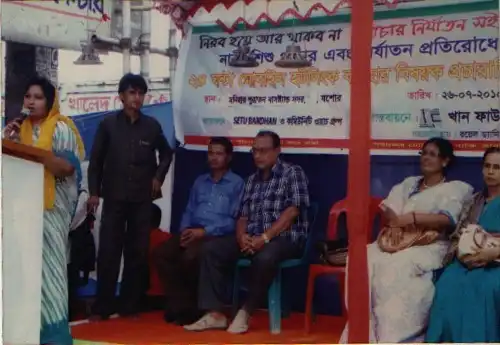
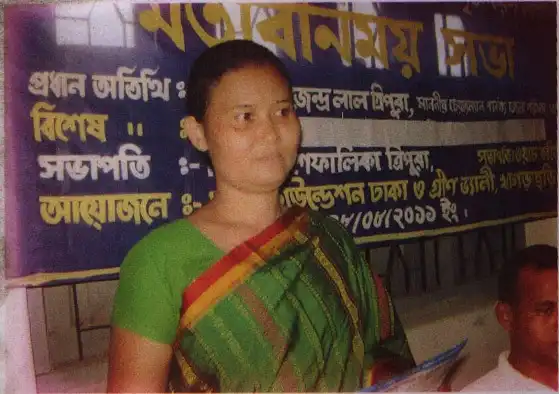
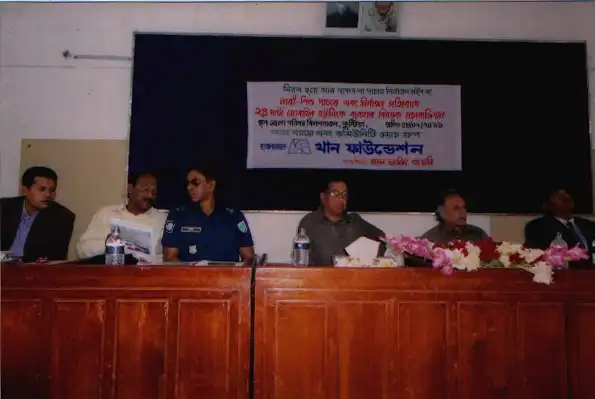
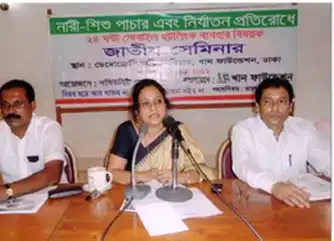
5. National seminars and divisional congresses.
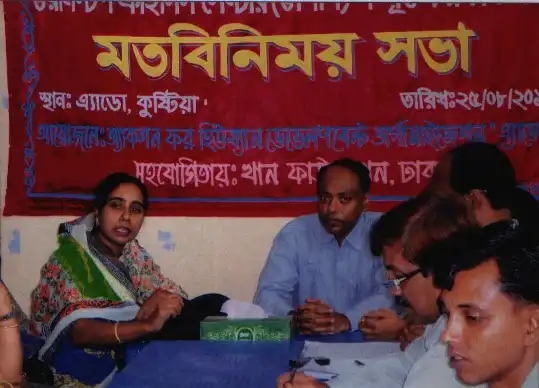
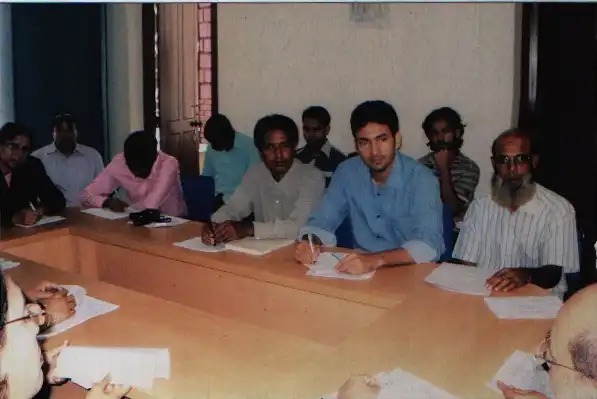
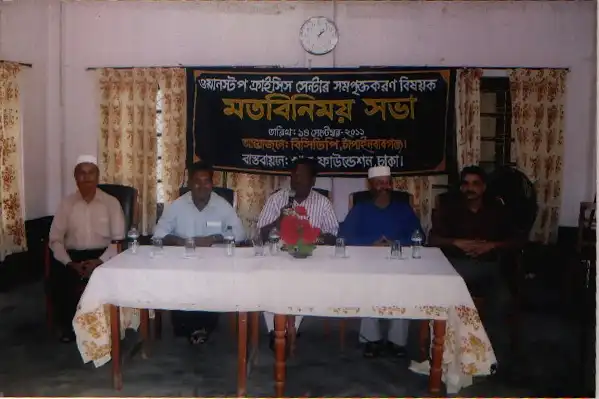
6. One Stop Crisis Center networking and coordination meetings.
7. Development and distribution of behavioral change communication materials (poster, leaflet, stickers).
8. Website development and information sharing.
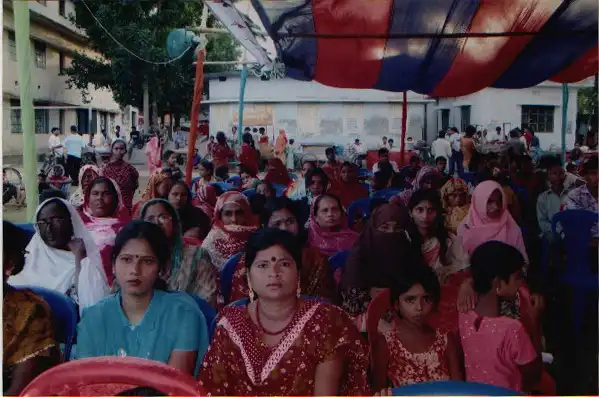
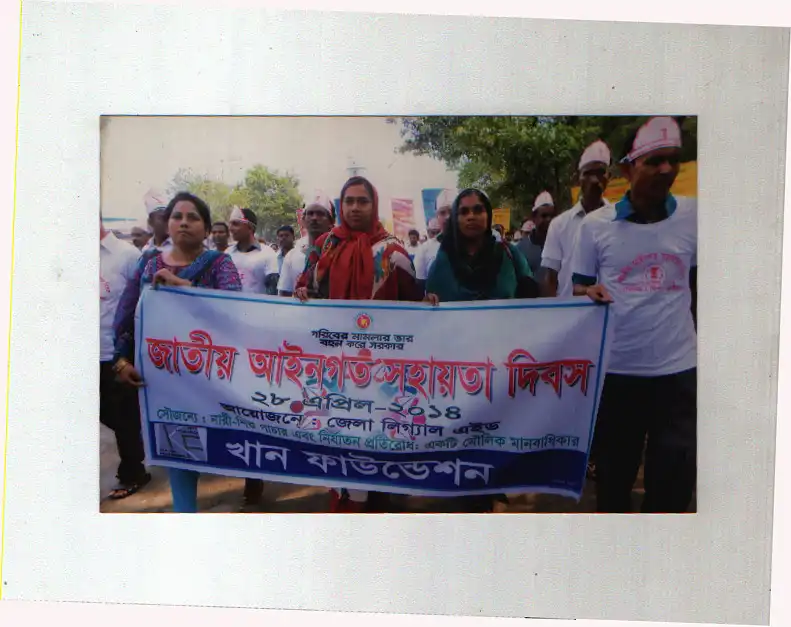
The project implemented awareness campaigns, mobile hotlink services, victim support mechanisms, training, and community-based monitoring through Community Watch Groups.
Supporting survivors and communities affected by trafficking and violence
1. Women facing violence and exploitation.
2. Children vulnerable to trafficking.
3. Victims/survivors requiring legal, medical, psychological, and rehabilitation support.
4. Community members receiving awareness and prevention information.
5. Community Watch Group members.
6. Local government representatives, law enforcement agencies, lawyers, NGOs, journalists, teachers, and community leaders involved in prevention activities.
The project primarily targeted women and children vulnerable to trafficking, violence, exploitation, and human rights violations.