Projects
Loading Project...
Please wait while we load the project details

Please wait while we load the project details
Empowering Women for Effective Political Participation and Leadership
As part of its democracy programme, the Khan Foundation initiated a project on women’s
political empowerment in 1993. Recognizing that women constitute nearly half of the country’s
population, the Foundation believes that the meaningful participation and empowerment of
women are essential to the institutionalization of democracy. Against this backdrop, the project
was undertaken to strengthen women’s participation in political and decision-making processes
and to promote their effective role in democratic governance.
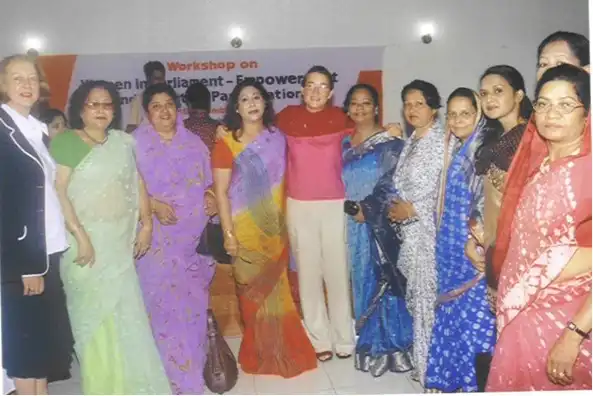
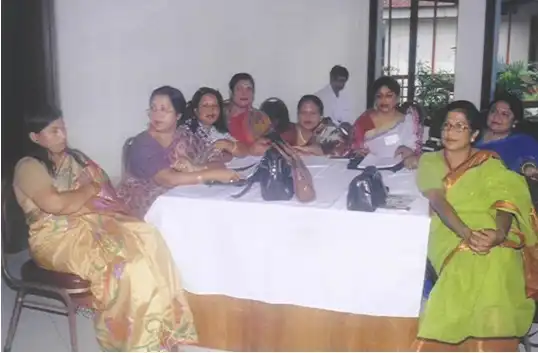
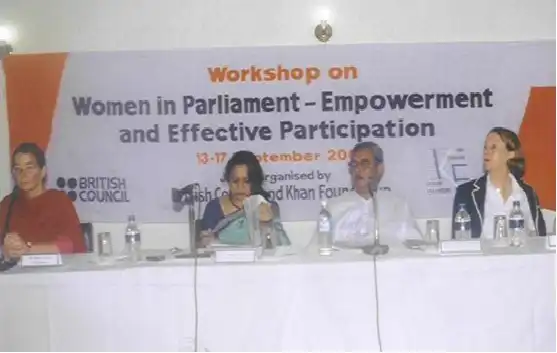
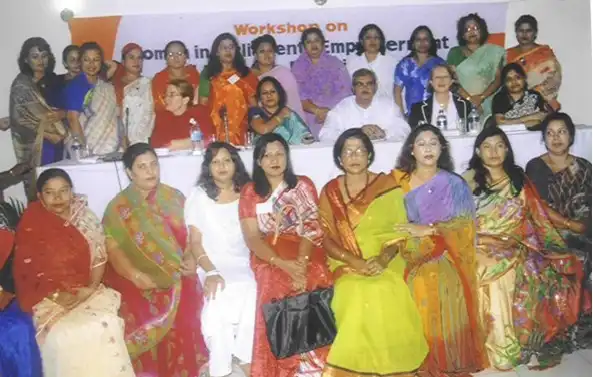
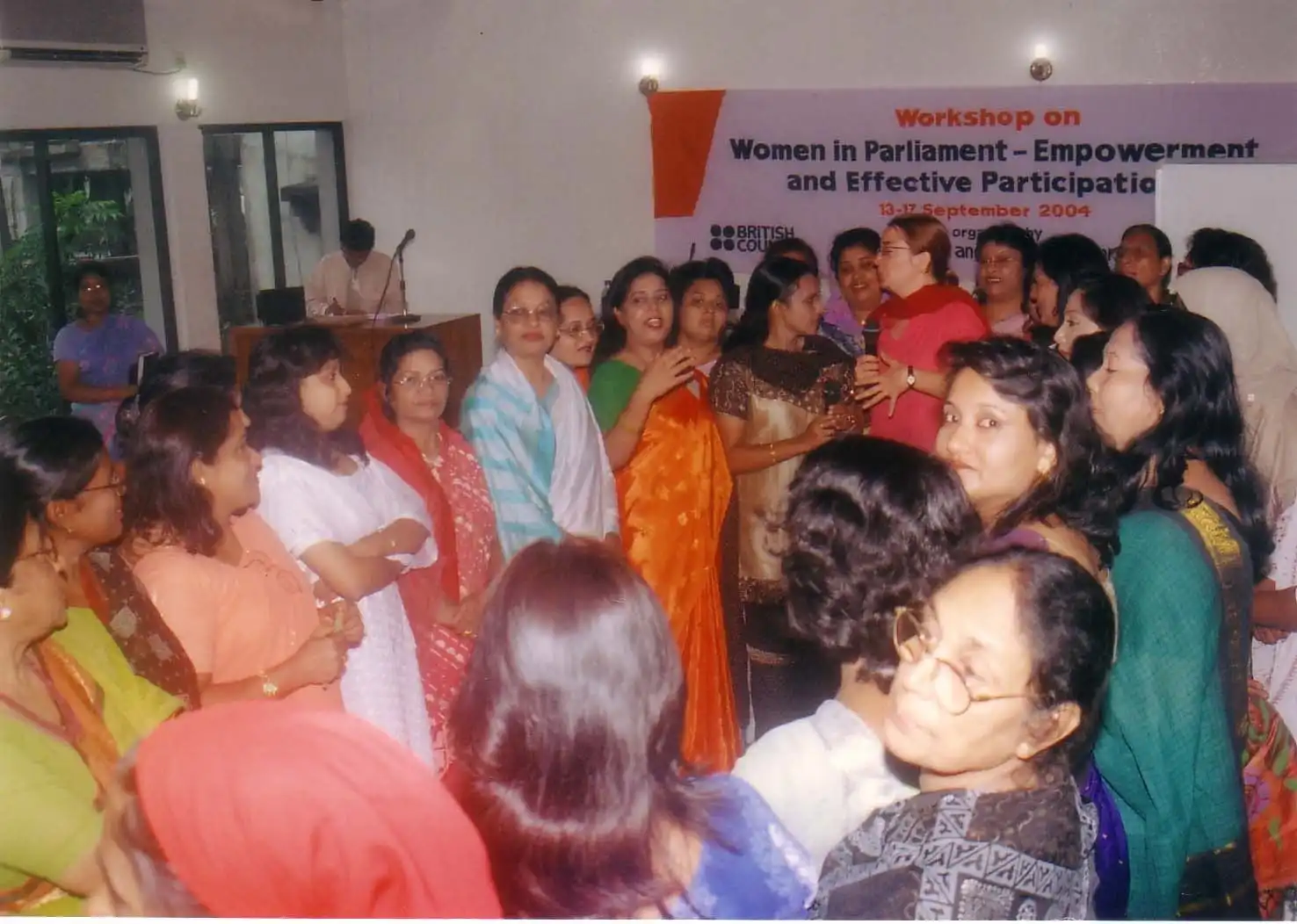
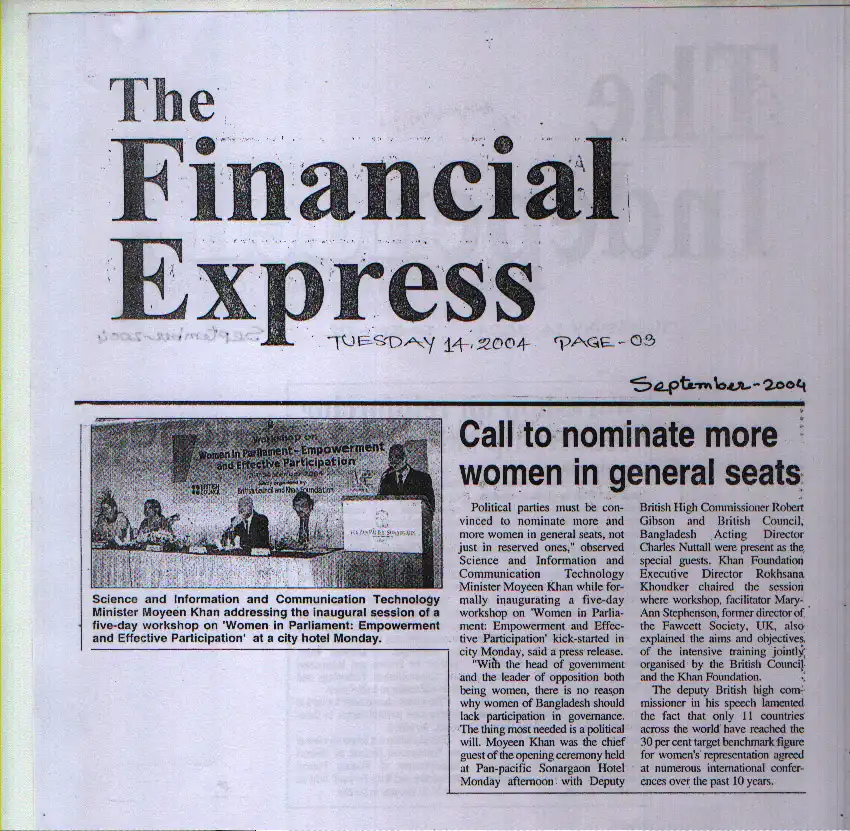
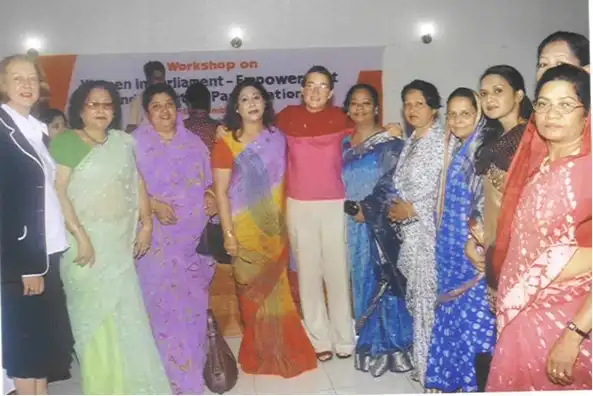
A five-day capacity-building workshop jointly organized by Khan Foundation and British Council to strengthen the political skills, leadership, confidence and effective participation of women leaders, elected representatives and chairmen. The workshop focused on advocacy, lobbying, public speaking, media relations, press-release preparation, gender budgeting and strategies for overcoming barriers to women's participation in politics and decision-making.
Building Skills, Confidence and Effective Participation in Political and Democratic Processes
Increase women's political awareness and leadership capacity.
Strengthen confidence and public-speaking skills.
Develop advocacy and lobbying skills.
Improve women's ability to communicate with policymakers and other stakeholders.
Build skills in preparing press releases and engaging with the media.
Develop understanding of gender-responsive budgeting.
Identify and address social, economic, religious and political barriers to women's participation.
Encourage women to participate directly in elections and decision-making.
Strengthen women's ability to influence legislative and policy-making processes.
To equip women members, leaders and chairmen with practical political and leadership skills and prepare them to participate more effectively in political decision-making and the national parliament. The workshop also sought to assess their past constituency-level work and prepare them for opportunities arising from new legislation.
Greater Capacity to Participate, Advocate and Influence Decision-Making
Improved understanding of political leadership and participation.
Enhanced advocacy and lobbying capabilities.
Improved public-speaking and communication skills.
Greater understanding of media engagement and press relations.
Improved ability to prepare and communicate press releases.
Increased understanding of gender budgeting and gender-disaggregated analysis.
Greater awareness of barriers to women's political participation.
Increased confidence among women political actors.
Stronger motivation to participate in elections and political decision-making.
Participants developed individual and collective commitments to women's empowerment.
Participants expressed support for expanding opportunities for women to contest general seats.
Increased understanding of how women can influence legislative and policy-making processes.
The workshop enhanced participant's understanding and practical skills in political participation, advocacy, lobbying, communication, media engagement, public speaking and gender budgeting. Participants reported increased confidence and readiness to apply these skills in political and social activities.
Building Women's Leadership, Advocacy and Policy Engagement Capacity
Political leadership and empowerment training.
Advocacy and lobbying capacity development.
Public-speaking and confidence-building training.
Media and communication skills development.
Press-release and media-interview training.
Gender budgeting and policy-analysis training.
International case-study analysis.
Participatory group work and role play.
Stakeholder engagement and networking.
Parliament exposure visit.
Development of individual and collective action strategies.
Promotion of women's participation in direct/general-seat elections.
The intervention used targeted training and participatory learning to address the skills, confidence and institutional barriers limiting women's political participation. It combined leadership development with practical tools for advocacy, lobbying, media engagement, public speaking and gender-responsive policy analysis.
Practical Training through Group Work, Case Studies, Role Play and Expert Sessions
Experience sharing on women's political participation and barriers.
Small-group discussions and presentations.
Analysis of international case studies on women's political empowerment.
Training on advocacy strategies.
Training on lobbying strategies and stakeholder engagement.
Mock lobbying exercises.
Media relations and media-strategy training.
Press-release preparation exercises.
Radio and television interview role plays.
Training on speech preparation, presentation structure and body language.
Sessions on supporting women after election.
Introduction to gender budgeting and gender-responsive budget analysis.
Development of individual and group strategies for taking the learning forward.
Parliament visit for participants.
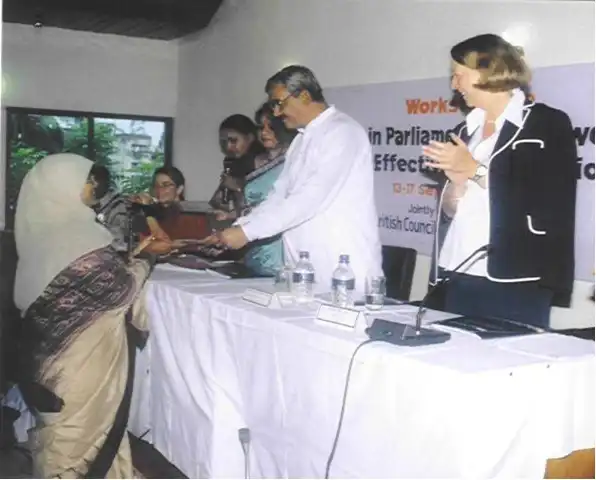
Evaluation and certificate distribution.
The workshop combined interactive training, group exercises, case studies, presentations, role plays, experience sharing and discussions with prominent political, government, media and development-sector figures.
Women Members, Leaders and Chairmen Seeking Greater Political Participation
Women members of local government.
Elected women representatives.
Women political leaders.
Women chairmen and local-level representatives.
Women aspiring to contest national elections.
Women seeking greater participation in general-seat elections.
Women advocates working for women's rights and empowerment.
Indirect beneficiaries include women and communities represented by these political leaders.
The primary beneficiaries were women members, political leaders and elected representatives, particularly those seeking to strengthen their political skills, leadership capacity and ability to participate effectively in elections, decision-making and public affairs. The report also places the workshop within Khan Foundation's wider programme of training local-level elected women representatives.