Projects
Loading Project...
Please wait while we load the project details

Please wait while we load the project details
Building a Strong Network of Women Lawyers for Rights, Justice and Social Change
The Women Lawyers’ Network (WLN) was established by Khan Foundation in 1997 to create a
national platform for women lawyers across Bangladesh. The initiative aimed to strengthen
interaction, knowledge sharing, professional development and collective action among women
lawyers while promoting their role in protecting the rights of women, children and marginalized
communities.
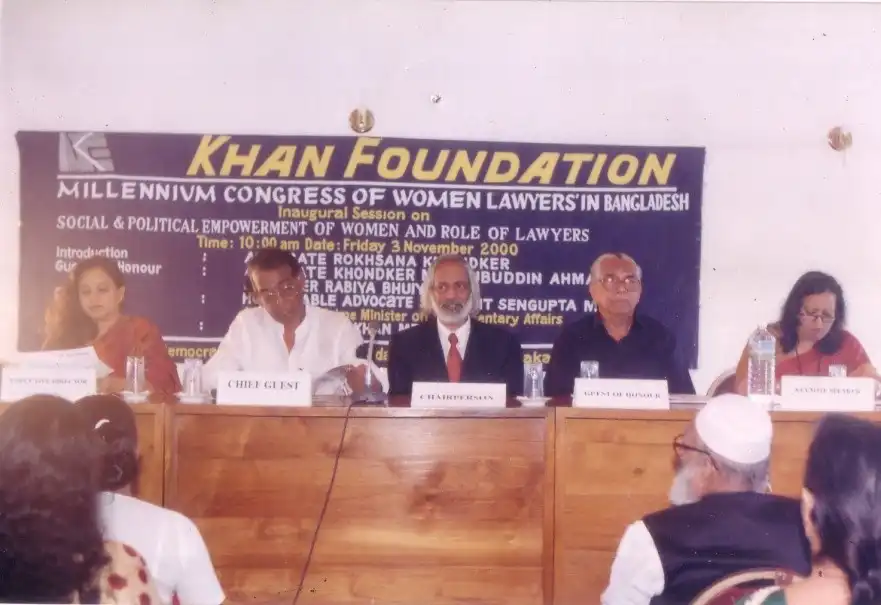
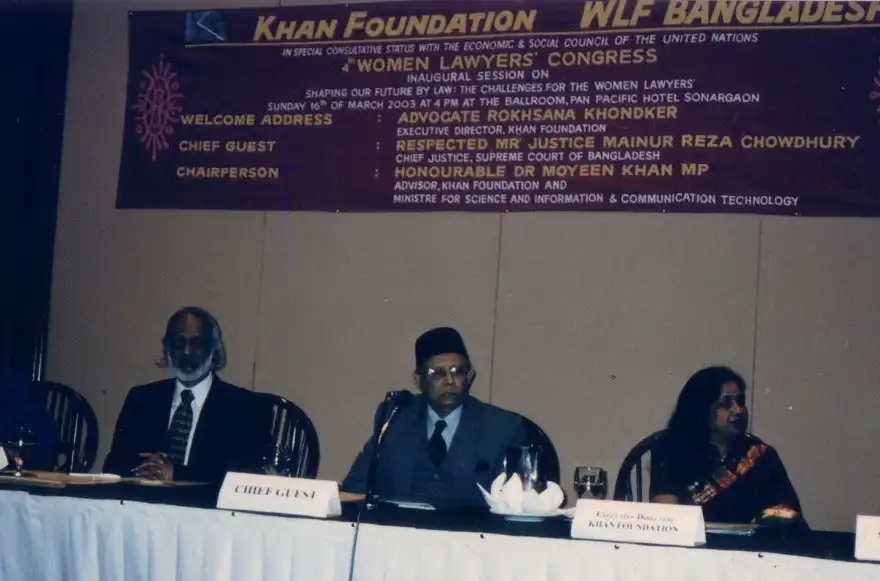
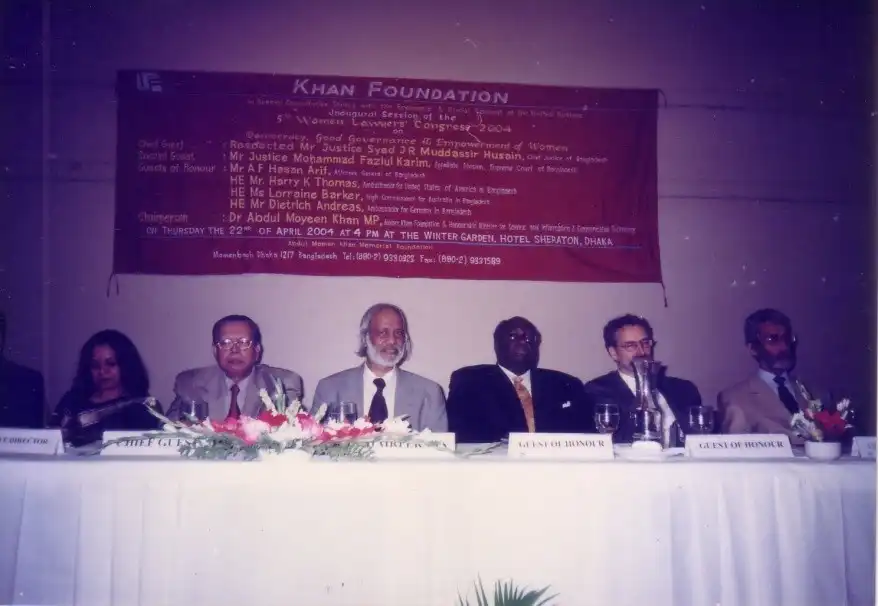
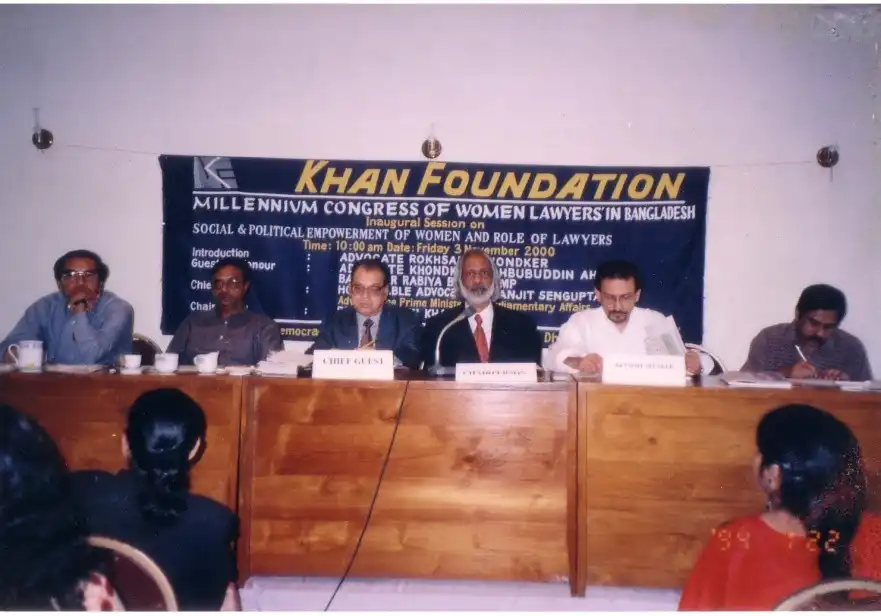
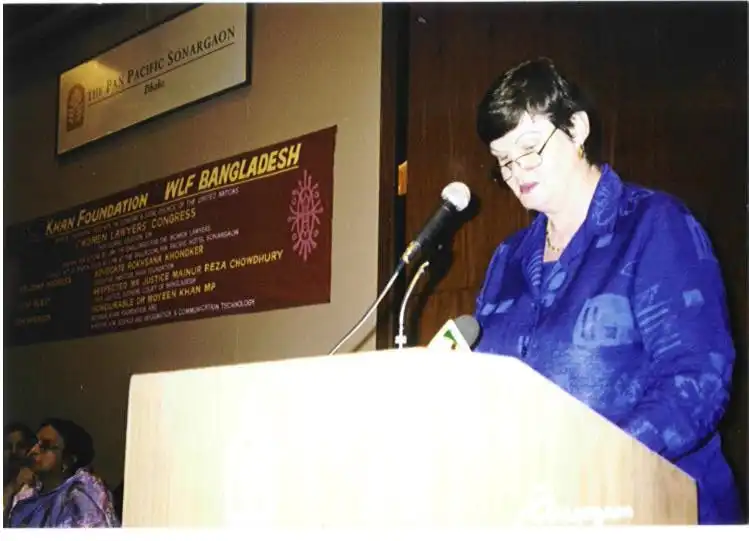
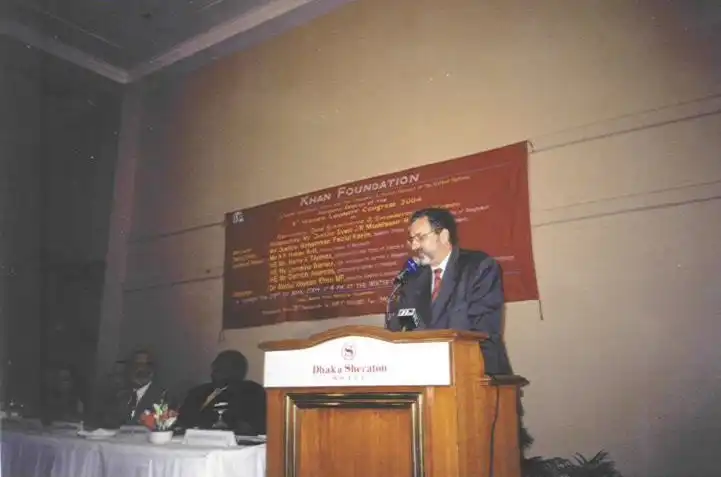
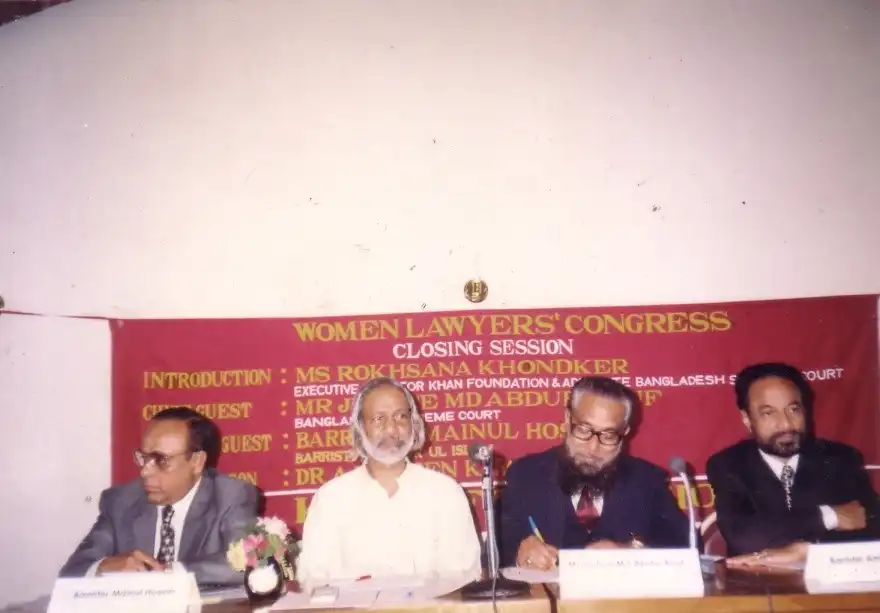
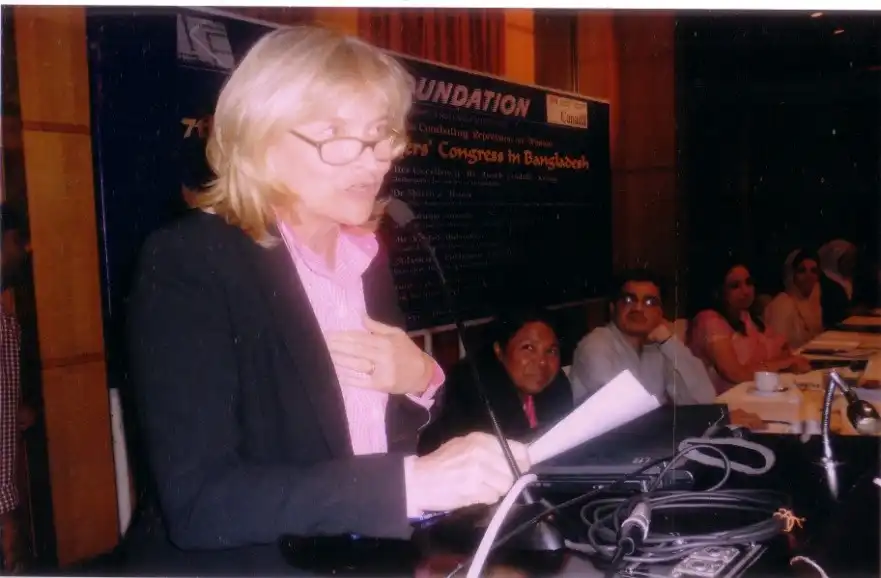
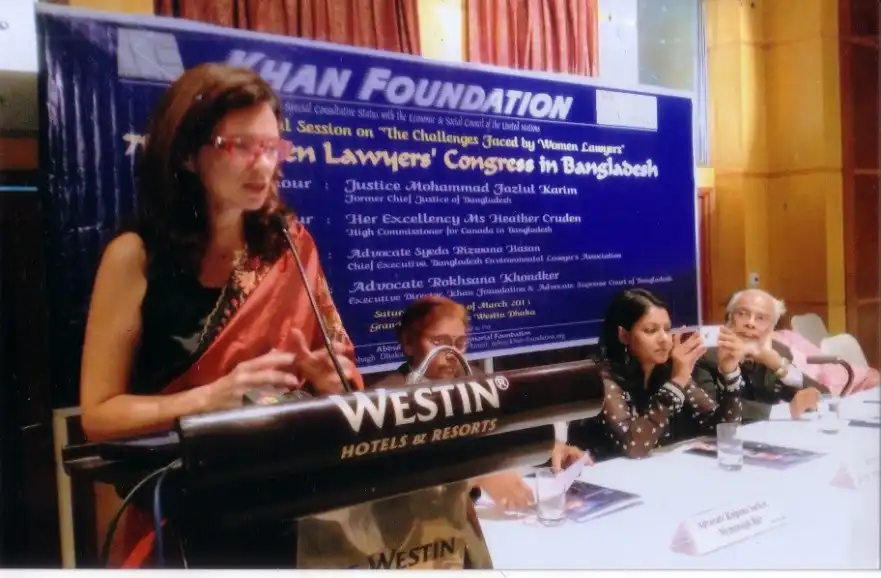
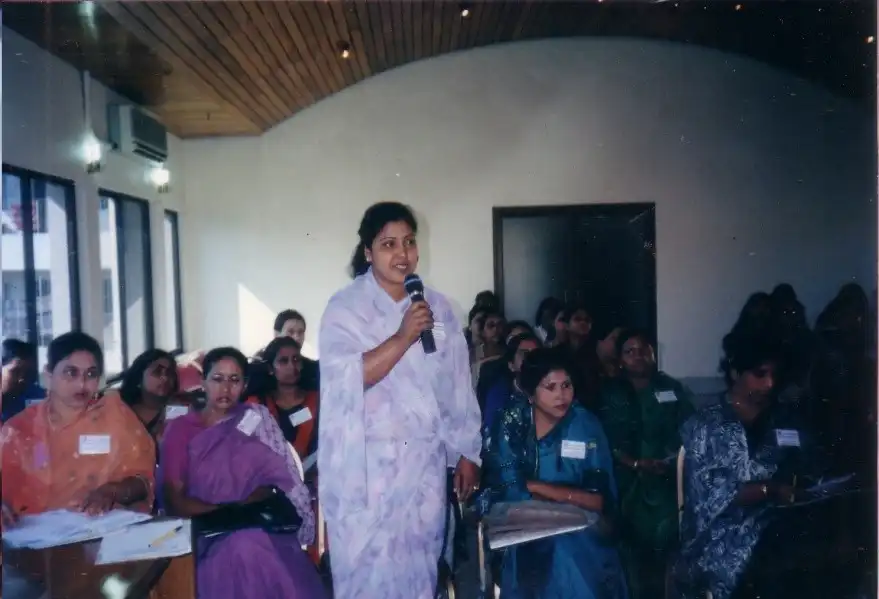
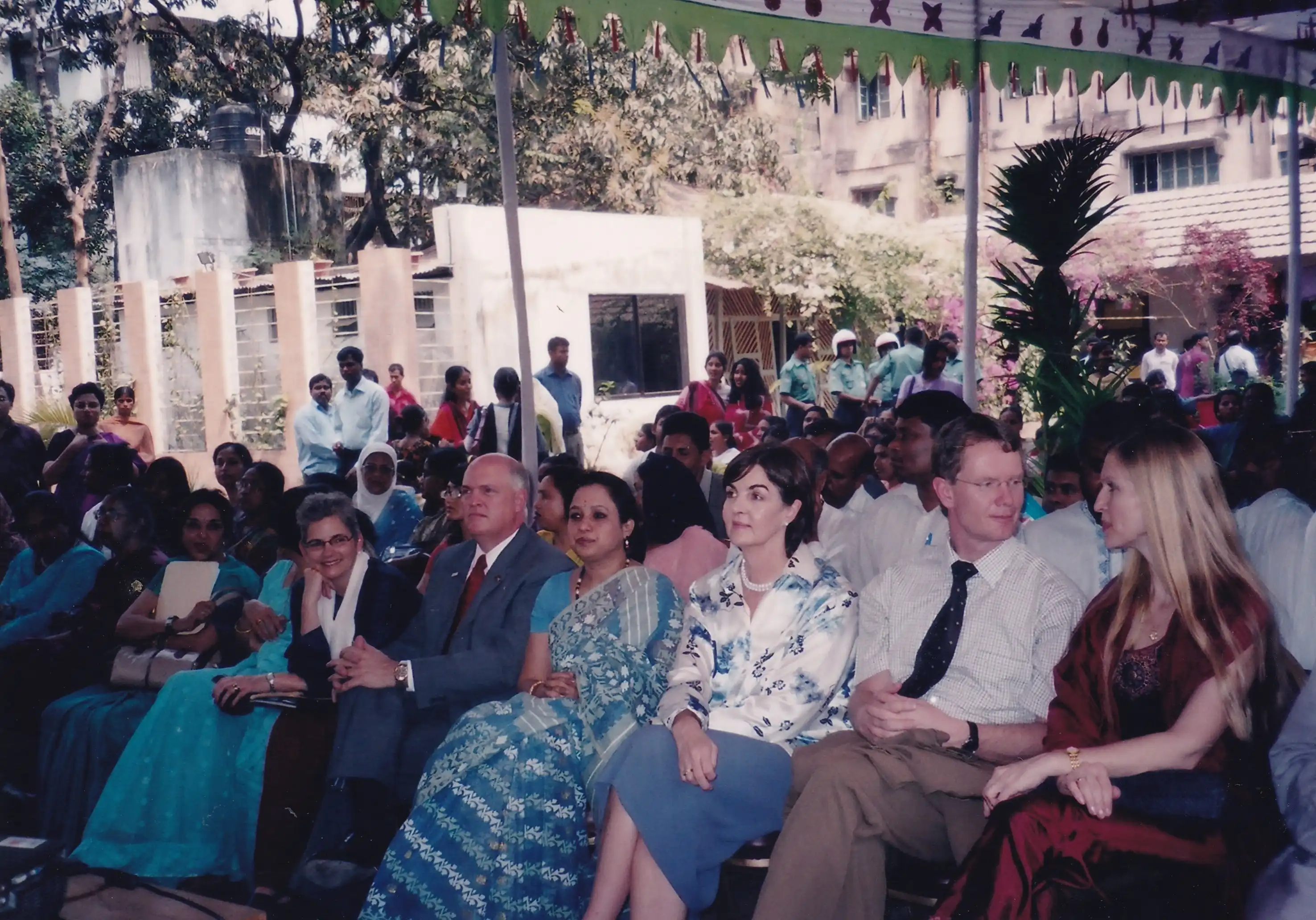
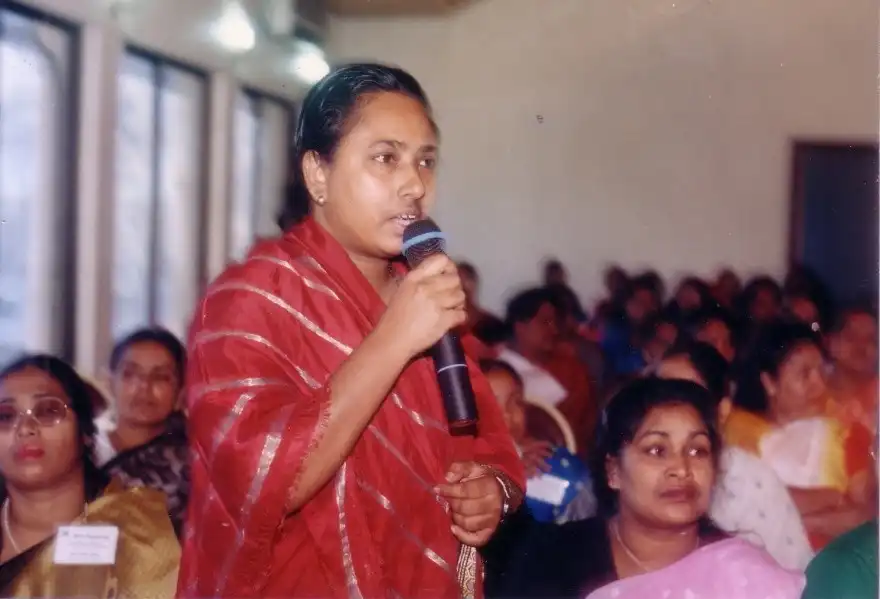
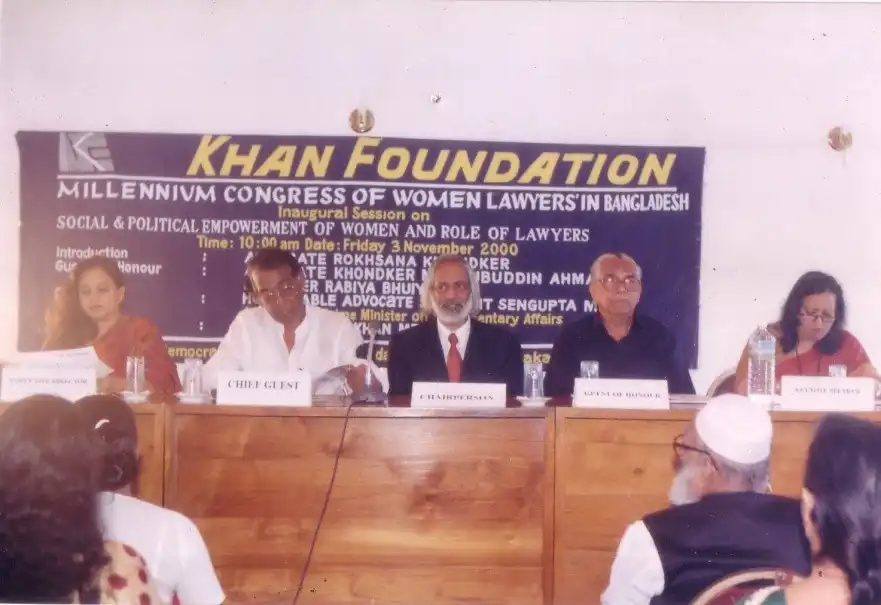
Through Women Lawyers’ Congresses organized from 1998 onward, women lawyers from
different districts gathered to discuss challenges, exchange experiences, advocate for legal
reforms and strengthen their contribution to justice delivery and women’s empowerment.
Creating a professional network to promote justice, rights and women’s empowerment
Promote interaction among women lawyers from districts and Dhaka.
Encourage exchange of views and transfer of legal knowledge.
Raise awareness about professional responsibilities and leadership roles.
Increase involvement of women lawyers in women and child rights issues.
Build linkages between women lawyers and women representatives at local government level.
Strengthen connections with national and international lawyers and judges.
Promote participation of women lawyers in Alternative Dispute Resolution (ADR).
Encourage women lawyers’ participation in political and decision-making processes.
The initiative aimed to empower women lawyers by creating opportunities for networking, knowledge exchange, leadership development and participation in legal and policy reform processes.
Strengthening women lawyers as advocates for justice and social change
Established a nationwide network of women lawyers.
Increased awareness about women and child rights.
Improved collaboration among lawyers, judges, government officials and civil society.
Strengthened women lawyers’ role in legal aid and ADR.
Encouraged women lawyers to act as advocates for marginalized groups.
The project increased awareness among women lawyers to secure rights of marginalized groups including poor people, women, children and minorities.
Women lawyers became more active in providing legal advice, NGO-ADR support, litigation and court representation.
The program created a strong national platform for women lawyers, improving networking, professional confidence and their ability to provide legal support to disadvantaged communities.
Building institutional capacity and strengthening access to justice
Professional networking among women lawyers.
Leadership development.
Legal rights advocacy.
Women and child rights protection.
ADR promotion.
Legal aid support.
Policy reform advocacy.
Collaboration with judges, government officials and civil society.
The intervention focused on strengthening women lawyers’ professional networks, increasing legal awareness and creating mechanisms for advocacy and support to vulnerable groups.
Creating platforms for dialogue, advocacy and professional development
1. Women Lawyers’ Congress
Major Congress events:
Congress Date Support
1st 23–25 April 1998 Khan Foundation
2nd 3–5 December 1999 Canadian CIDA
3rd 2–4 November 2000 Not specified
4th 16–17 March 2003 Australian Embassy
5th 22–23 April 2004 Not specified
6th 22–23 March 2008 Canadian CIDA
7th 16 March 2013 Canadian CIDA
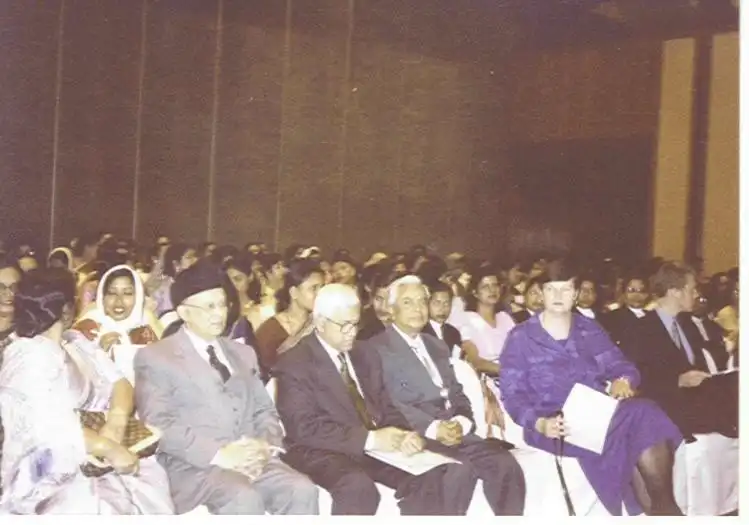
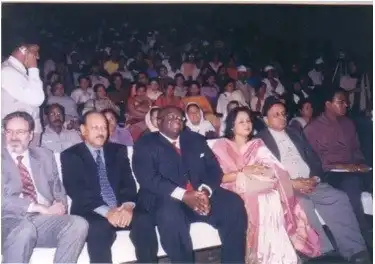
The 7th Congress included 337 women lawyers from across Bangladesh and 432 total participants including lawyers, judges, academics, civil society representatives and diplomats.
2. Divisional Workshops
• Organized workshops in Rajshahi, Khulna, Barisal, Chittagong, Sylhet, Rangpur and Dhaka.
• Discussed challenges faced by women lawyers.
• Prepared agenda for the Congress.
• Recruited new members into WLN.
• Supported district committee formation.
3. Women Lawyers Network Directory
• Collected profiles and information of women lawyers.
• Developed a national directory.
• Updated professional database of women lawyers and judges.
4. Policy Dialogue and Advocacy Sessions
Topics included:
• Challenges faced by women lawyers.
• Women, law and media.
• Violence and repression against women.
• Political empowerment of women.
The project organized national congresses, divisional workshops, networking meetings and knowledge-sharing events to strengthen the capacity and collective voice of women lawyers.
Empowering legal professionals to support vulnerable groups
Primary Beneficiaries:
• Women lawyers from district and metropolitan Bar Associations.
• Female legal professionals.
• Women legal advocates.
Secondary Beneficiaries:
• Women facing violence and discrimination.
• Children requiring legal protection.
• Poor and marginalized communities.
• Victims needing legal aid.
The primary beneficiaries were women lawyers across Bangladesh who gained networking, professional development and advocacy opportunities. Indirect beneficiaries included women, children and disadvantaged communities requiring legal assistance.