Projects
Loading Project...
Please wait while we load the project details

Please wait while we load the project details

Empowering Women Through Awareness and Advocacy for Equal Property and Inheritance Rights
The Women’s Property and Inheritance Rights project was initiated by Khan Foundation to
increase awareness among women, especially elected women members of Union Parishads,
about their legal rights regarding property and inheritance. The project addressed gender
discrimination in existing personal laws and aimed to strengthen women’s ability to claim their
rights through awareness, training, mediation, and community mobilization.
The project trained grassroots women leaders and involved them in community-level awareness
activities to promote equal property rights and advocate for legal reforms.
Building awareness, leadership capacity, and community advocacy for inheritance rights
Increase community awareness and social mobilization among elected women Union Parishad members on property and inheritance rights.
Inform women representatives about personal laws and mechanisms to protect women’s property rights.
Develop skills of women leaders in:
Shalish
Mediation
Arbitration
Decision-making processes
Promote elimination of discrimination against women and support equal rights under the Constitution and CEDAW.
The project aimed to increase awareness among elected women representatives, develop their skills in decision-making and dispute resolution, and promote equal property and inheritance rights for women according to constitutional principles and CEDAW commitments.
Strengthening women’s leadership and access to property rights information
Increased legal awareness among approximately 30,000 grassroots women.
Strengthened leadership role of 400 Union Parishad women members.
Around 20,000 women gained awareness on empowerment and rights issues.
Around 300 women resolved disputes through Shalish and mediation.
400 women representatives worked through committees addressing women and child protection issues.
Participants demanded legal reforms for equal property rights.
The project improved legal awareness among grassroots women, strengthened leadership capacity of elected women representatives, and encouraged community action for women’s inheritance rights.
Building community capacity for equal inheritance rights
Capacity Building
Trained elected women representatives on inheritance laws and rights.
Legal Literacy
Muslim Personal Law
Hindu Personal Law
Constitutional rights
CEDAW provisions
Community Mobilization
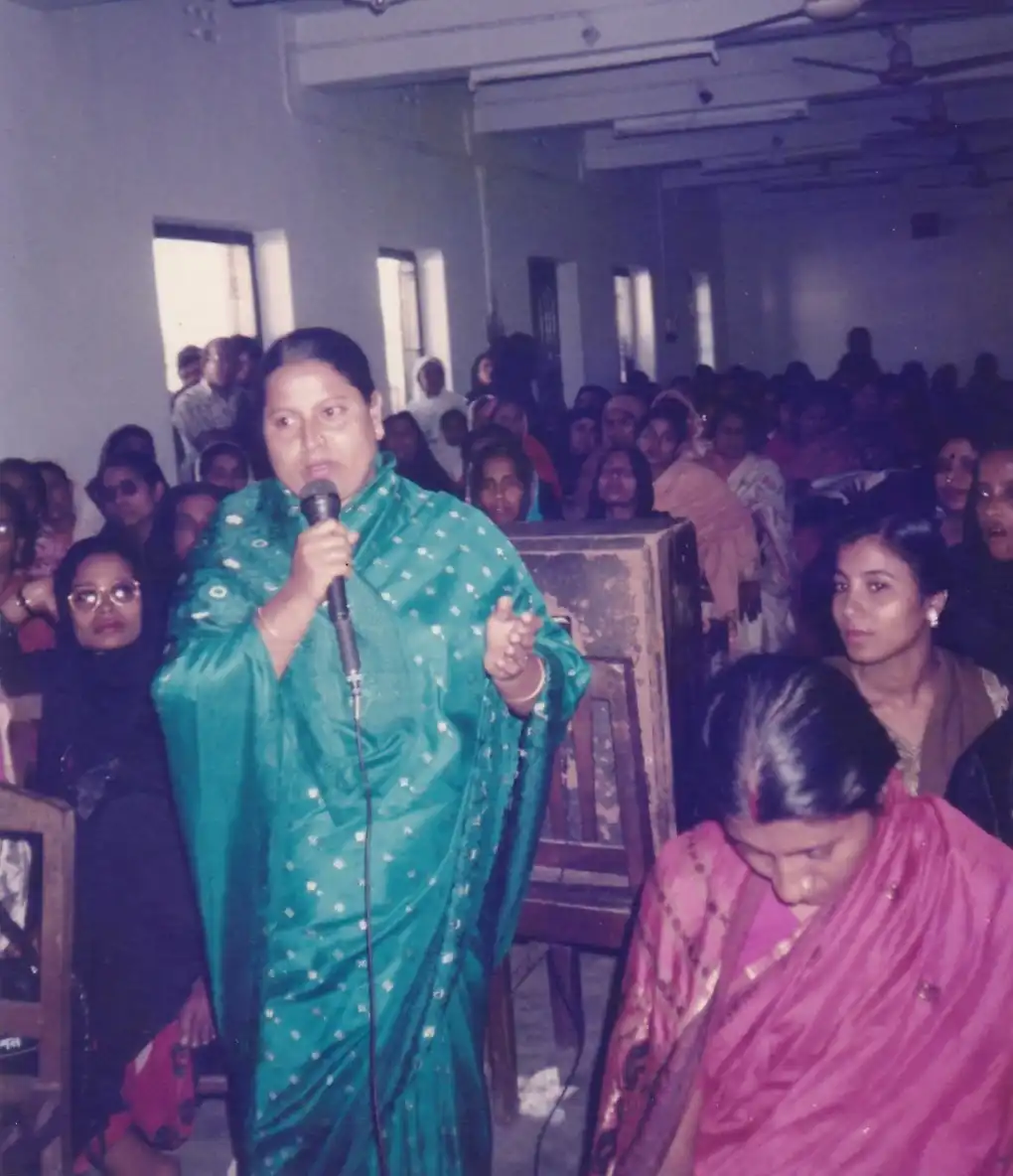
Women leaders conducted awareness meetings at union level.
Alternative Dispute Resolution
Promoted Shalish, mediation, and arbitration skills.
Policy Advocacy
Advocated legislative reforms for equal property rights.
The intervention combined training, legal education, community mobilization, mediation support, and advocacy to improve women’s understanding and exercise of property rights.
Strengthening grassroots women leaders to advocate for inheritance rights
Training Module Development
Prepared training materials and methods on women’s property rights.
Two-Day Training Workshops
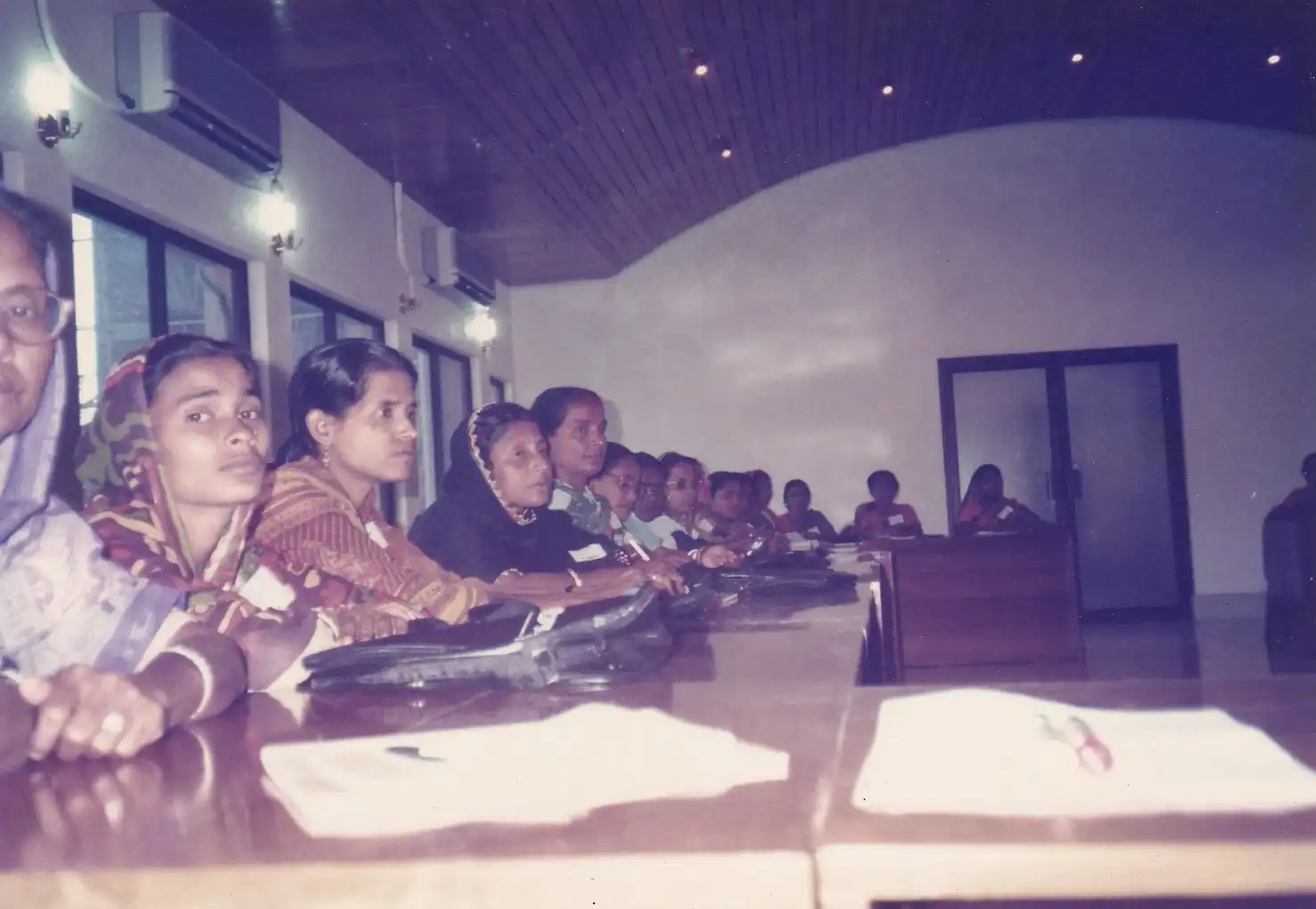
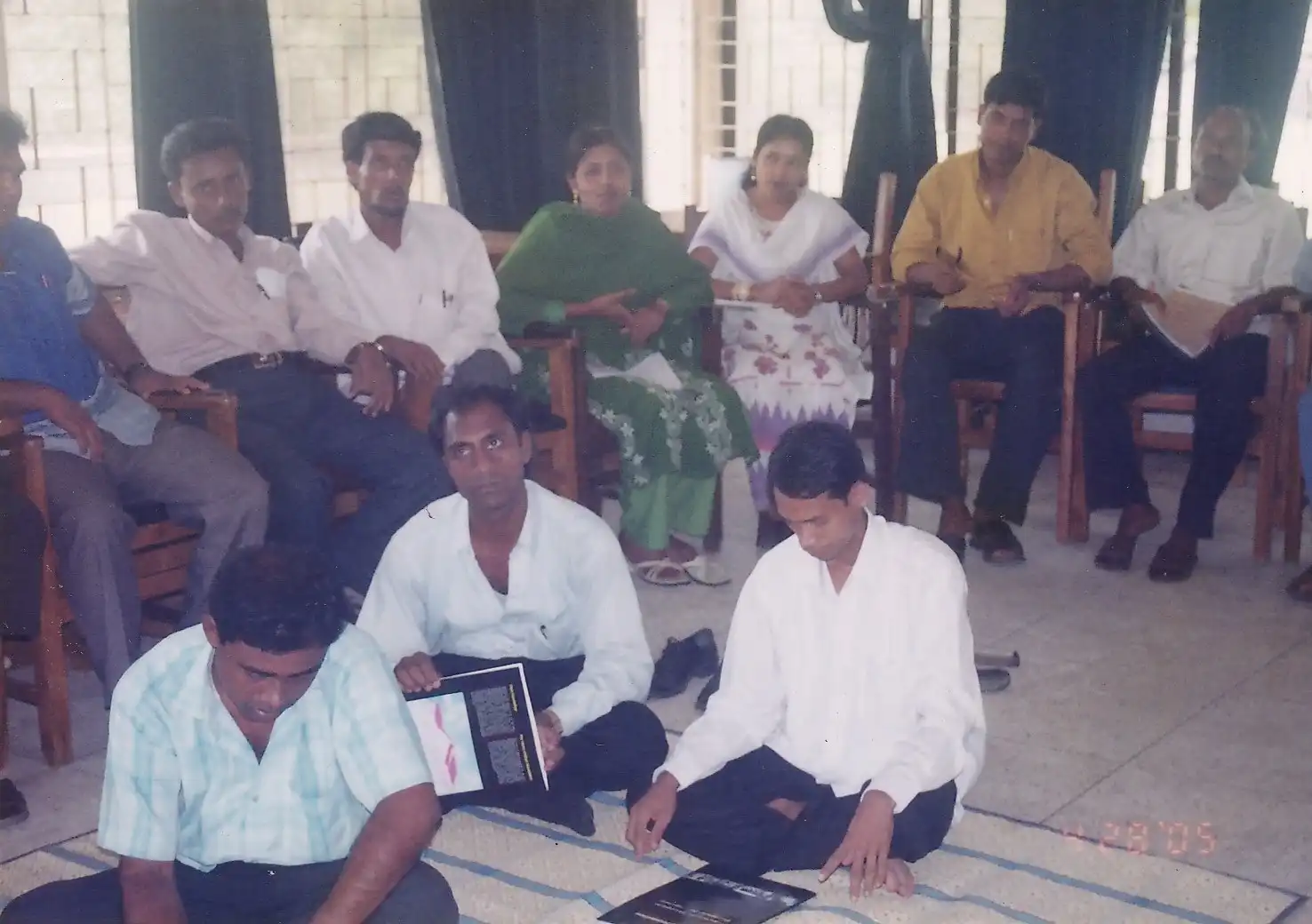
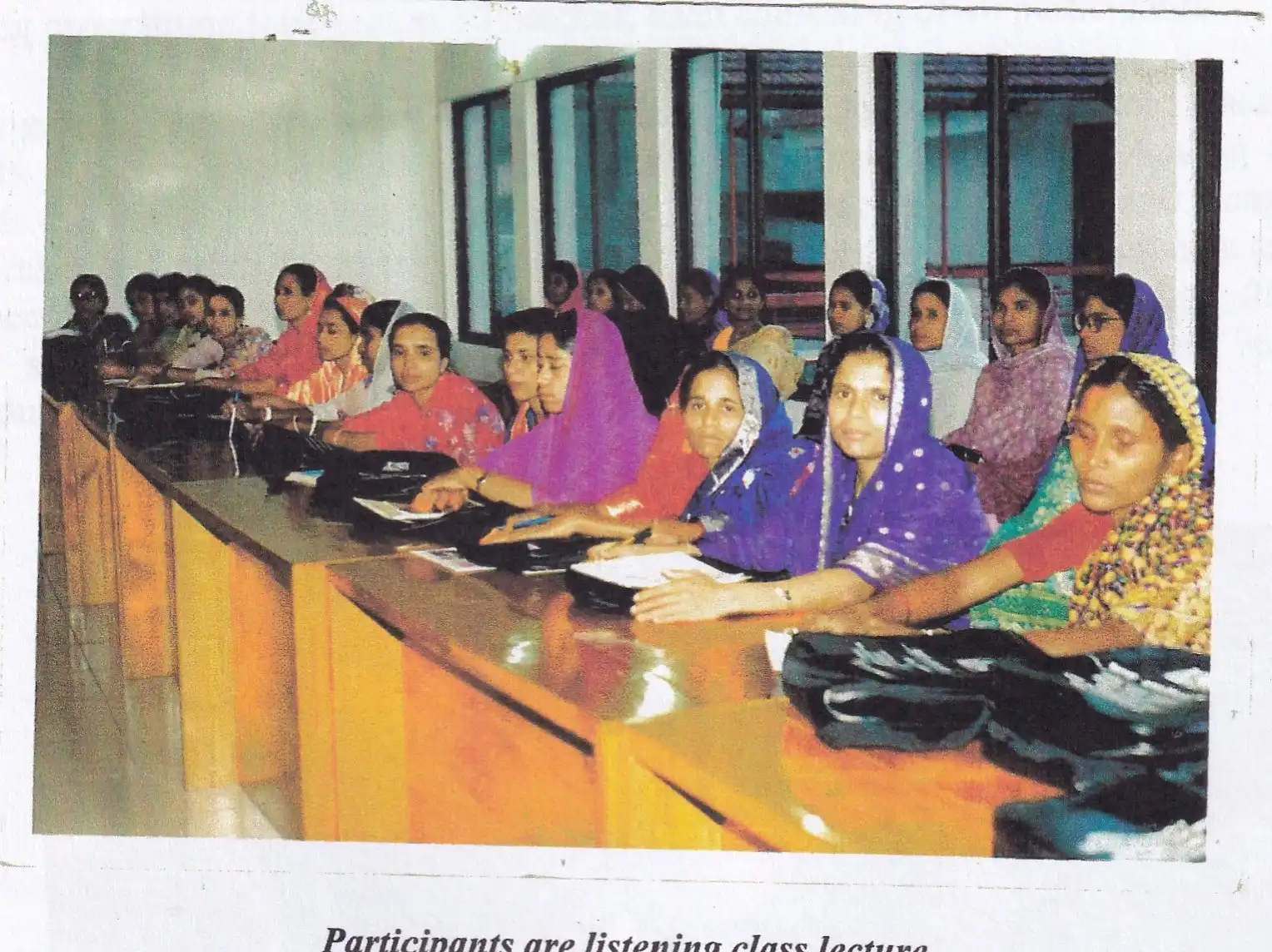
Conducted 10 two-day training workshops in Dhaka.
Trained 400 elected women members from 150 Union Parishads of 13 districts.
Training Topics
Muslim and Hindu Personal Law.
Women’s property rights.
CEDAW and constitutional rights.
Legal counseling.
Gender sensitization.
Mediation and arbitration.
Economic empowerment.
Community Workshops
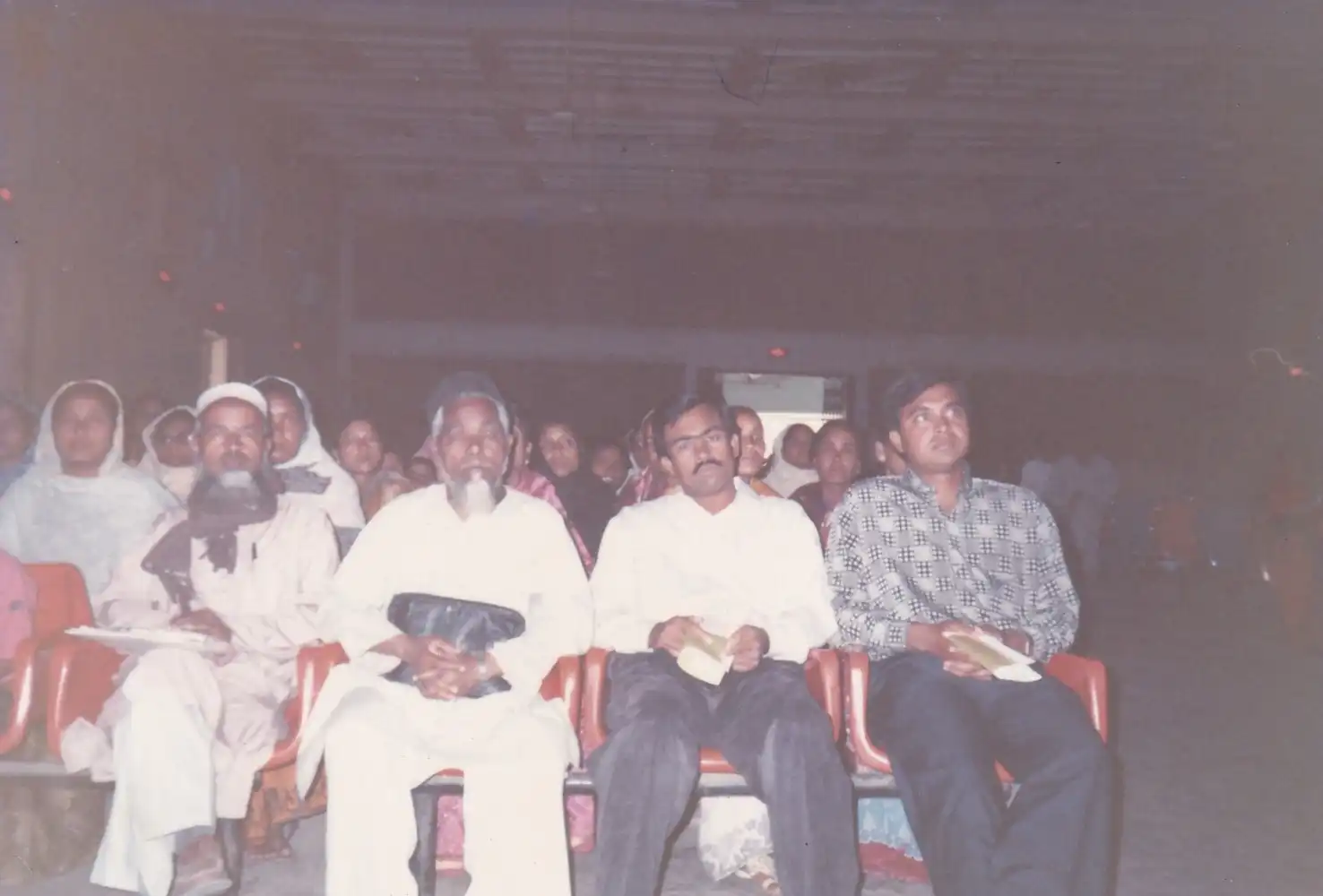
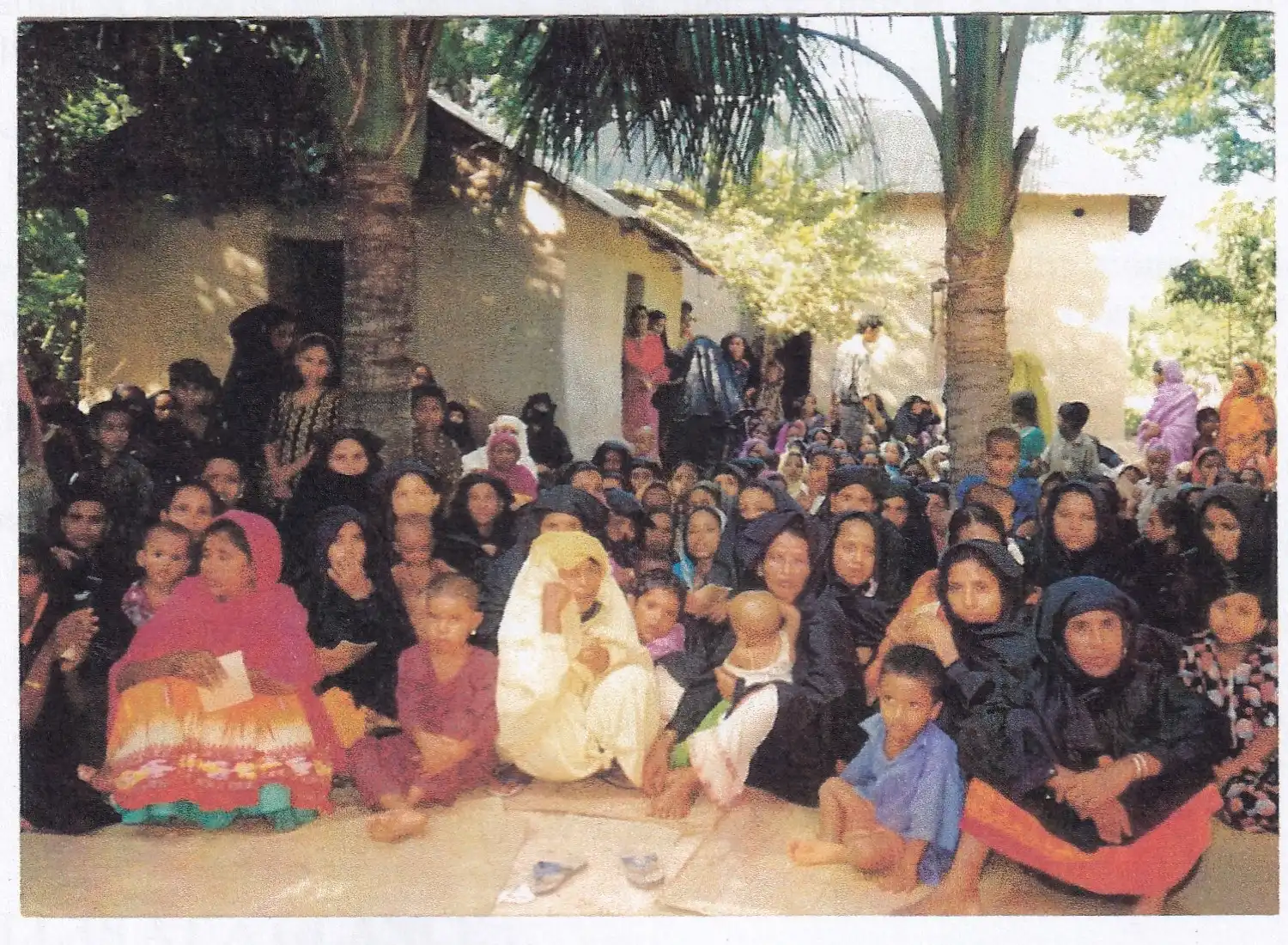
Organized 150 community-level workshops through trained women
representatives.
Legal Counseling and Advocacy
Women lawyers provided guidance on inheritance law and property disputes.
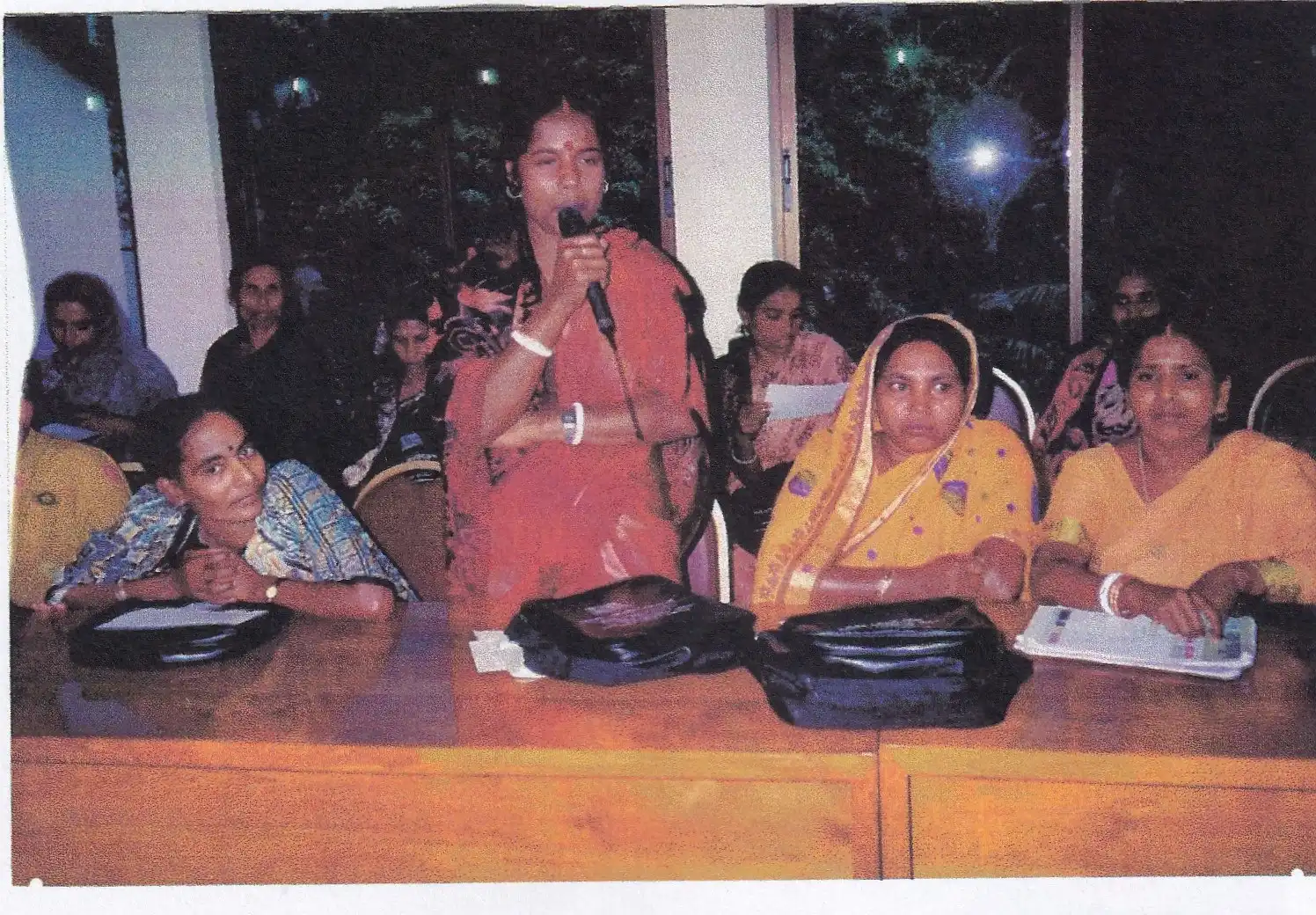
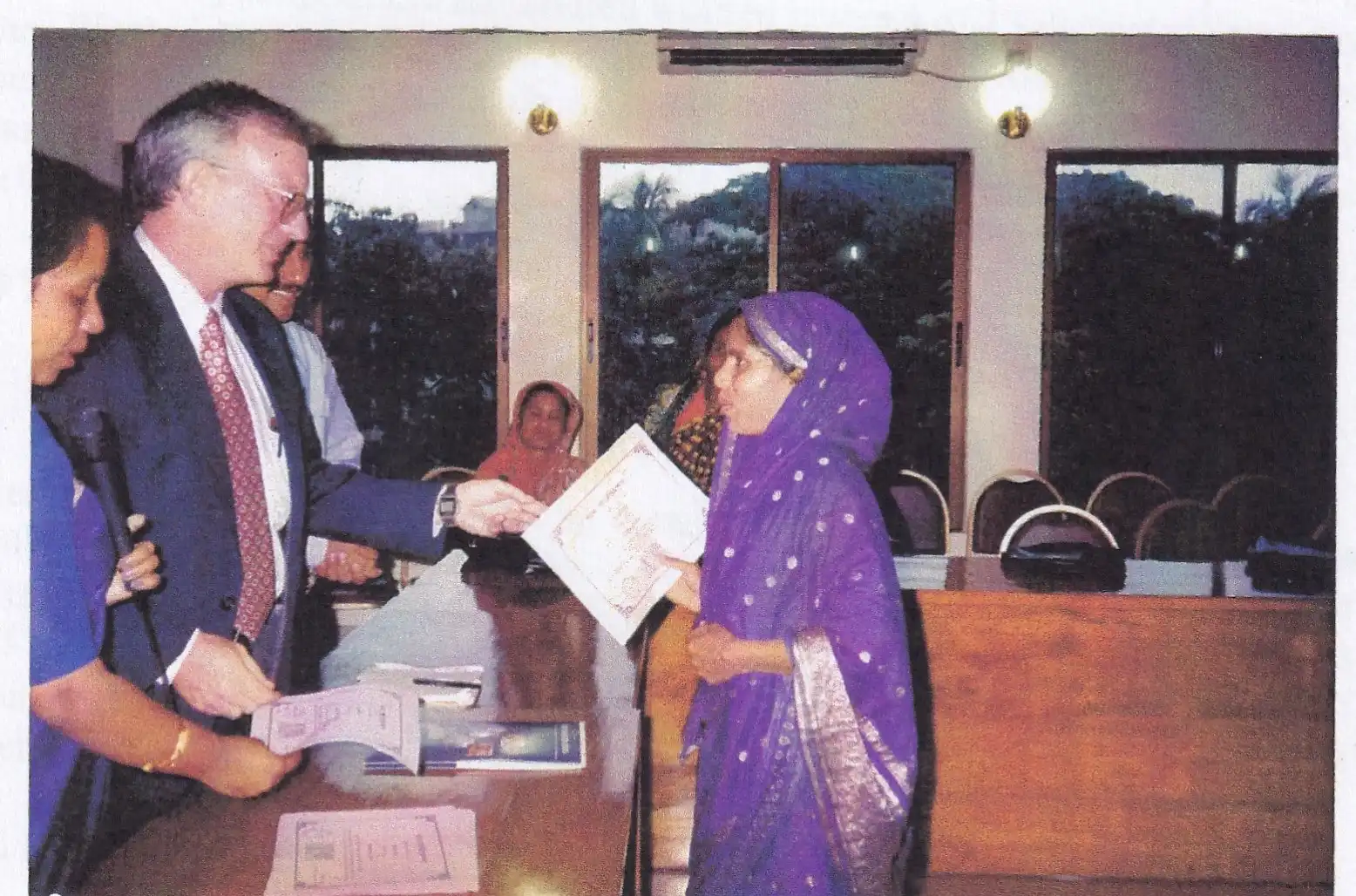
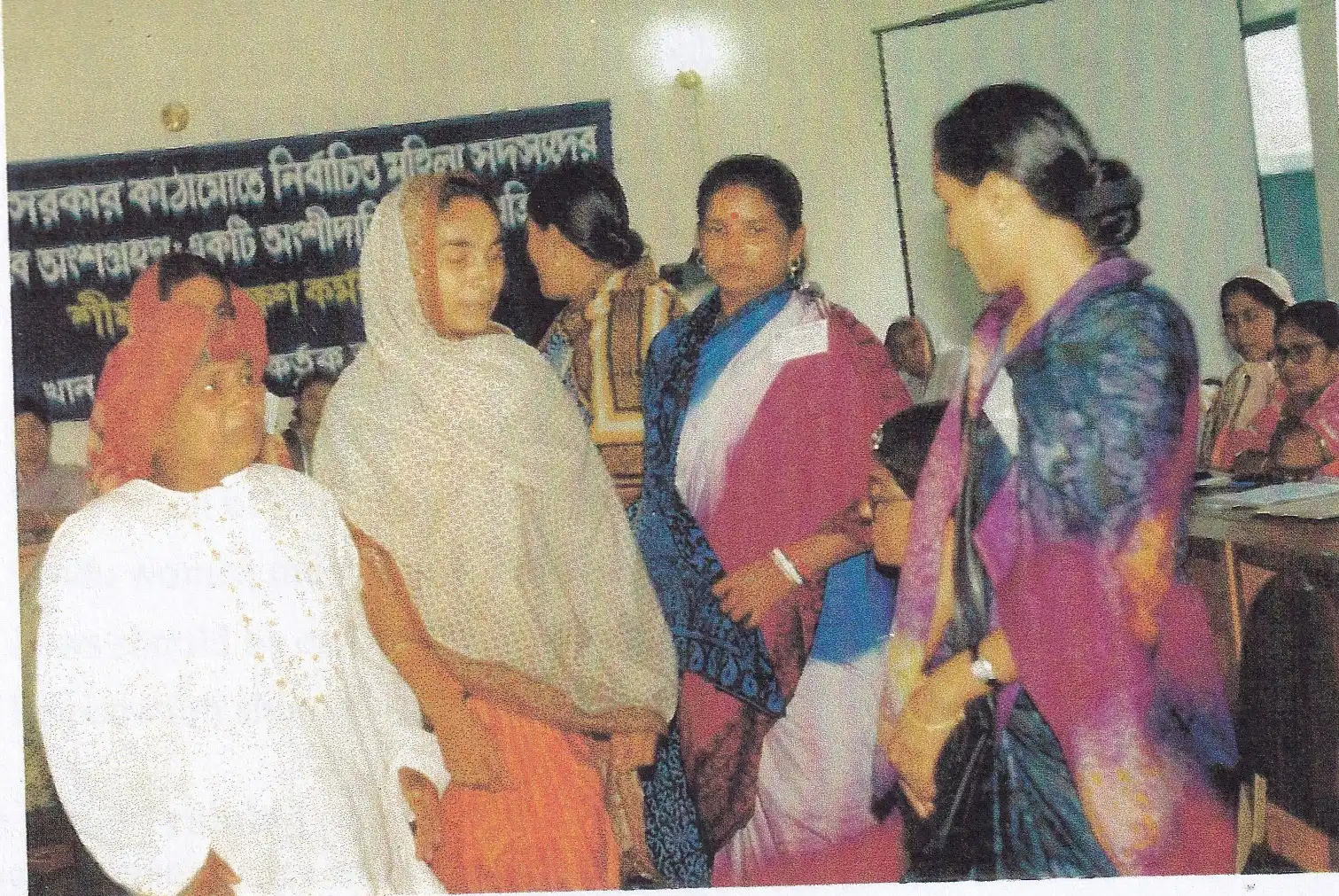
The project conducted training workshops for elected women Union Parishad members and supported them to organize community meetings with assistance from women lawyers.
Supporting women’s empowerment through legal knowledge and leadership
Direct Beneficiaries:
400 elected women Union Parishad members.
Women leaders from 13 districts and 4 divisions.
Women lawyers involved as resource persons.
Indirect Beneficiaries:
Rural women.
Women deprived of inheritance rights.
Community members.
Women and children vulnerable to discrimination and abuse.
The primary beneficiaries were elected women members of Union Parishads who received training and became community advocates. Indirect beneficiaries included rural women and families affected by unequal inheritance practices.